

2026 Best Bottom Gusset Pouches for Global Buyers?
Choosing the right Bottom Gusset Pouches in 2026 requires more than comparing glossy supplier catalogs. Global buyers need practical evidence, consistent specifications, and clear communication across markets. This guide examines pouch structure, film performance, closure quality, printing accuracy, and shipment reliability. It also considers changing recycling expectations and regional packaging requirements. A pouch that performs well in a dry warehouse may fail in humid coastal conditions.
Details matter. A realistic evaluation starts with product samples, not promises. Fill each pouch with the intended product, then check its balance, seal strength, zipper alignment, and shelf presence. For heavier contents, inspect the bottom fold and side seams after handling. Test printed colors under retail lighting. Ask suppliers for material layers, thickness tolerances, production lead times, and quality records. Samples reveal flaws.
Reliable sourcing also depends on supplier experience. Review factory audits, export history, inspection procedures, and responses to corrective actions. Confirm whether the quoted price includes cylinders, tooling, freight terms, and approved sample revisions. Small omissions can disrupt a full container shipment. Buyers should verify food-contact or other applicable standards with qualified local professionals before ordering. Requirements differ by destination and product category.
No pouch fits every application. A recyclable structure may involve trade-offs in barrier protection, stiffness, or sealing speed. A premium finish may increase cost without improving product safety. Even careful recommendations can miss a company’s equipment limitations. Therefore, this 2026 overview focuses on transparent comparisons, measurable performance, and realistic purchasing decisions for international buyers.
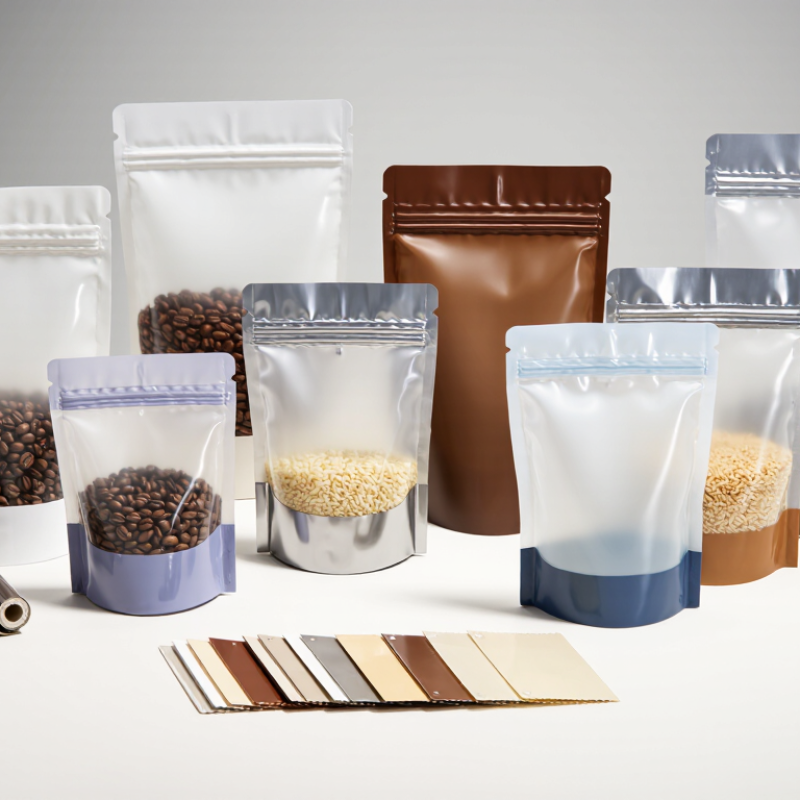
What Are Bottom Gusset Pouches and How Do They Work?
Bottom gusset pouches are flexible bags with an expanded panel along the lower edge. This panel opens during filling and creates a stable base. Unlike flat pouches, they can stand upright on shelves or pallets. Their structure usually combines several film layers. Each layer serves a purpose, such as barrier protection, strength, or heat sealing. In real packaging projects, the gusset width affects capacity and balance. A wider base can improve stability, but it may also increase material use.
During production, packaging equipment forms the bottom fold and seals the side edges. A filling machine opens the pouch, measures the product, and releases it through the top opening. Heat seals close the mouth after air is adjusted. For powders, granules, and other dry goods, seal temperature and pressure need careful control. Too much heat can weaken the film. Too little heat can create leaks. I have found that actual product trials matter more than drawings. Vibration, sharp particles, and moisture can change performance. That point is sometimes underestimated.
Tips: Ask for filled samples before ordering. Check standing stability, seal strength, drop resistance, and odor transfer. Confirm the pouch fits your filling line. Measure the filled height, width, and gusset depth, not only the empty dimensions. Request material specifications and relevant contact documentation. Review storage conditions and transport temperatures. A pouch that works in a cool warehouse may behave differently in humid conditions. Leave room for revision. Packaging decisions are rarely perfect on the first test.
| Bottom Gusset Pouch Type | How It Works | Typical Structure | Common Capacity Range | Typical Barrier Performance | Recommended Contents | Closure Options | Key Advantages | Important Buying Considerations |
|---|---|---|---|---|---|---|---|---|
| Quad-Seal Bottom Gusset Pouch | Four sealed vertical corners create a stable rectangular base. The gusset opens as the pouch is filled, allowing it to stand upright. | PET/PE for standard dry goods; PET/AL/PE or PET/MPET/PE for higher light and oxygen protection. | 500 g to 5 kg, depending on width, height, gusset depth, and film strength. | Medium to very high, depending on whether a metallized or aluminum barrier layer is used. | Coffee, grains, flour, pet food, powdered products, and dry snacks. | Heat seal, zipper, tin tie, degassing valve, or tear notch. | Excellent shelf stability, strong load distribution, and a premium retail appearance. | Confirm seal strength, corner construction, filling speed, and the required package headspace. |
| K-Seal Bottom Gusset Pouch | A central bottom seal forms a K-shaped pattern when the pouch is opened, helping the package stand while using fewer bottom sealing lines. | PE-based mono-material structures or laminated PET/PE structures are commonly used. | 250 g to 2 kg. | Low to high, depending on film selection and coating or barrier layers. | Pet treats, confectionery, snacks, cereals, and lightweight dry products. | Press-to-close zipper, heat seal, tear notch, or slider zipper. | Good merchandising stability and efficient material use for many dry products. | Check whether the bottom seal design matches the product weight and automated filling process. |
| Doyen-Style Bottom Gusset Pouch | A folded bottom panel opens into a broad base, allowing the pouch to stand upright without a separate rigid container. | Typically PET/PE, BOPP/PE, or high-barrier laminated films. | 100 g to 2 kg. | Low to high; metallized film or aluminum foil improves protection from light and oxygen. | Snacks, nuts, dried fruit, pet treats, and powdered foods. | Zipper, heat seal, laser score, tear notch, or resealable top. | Wide front display area, convenient opening, and good use of shelf space. | Evaluate base width, filled-pouch balance, top seal area, and compatibility with retail display requirements. |
| Coffee Bottom Gusset Pouch | The bottom gusset provides a stable base, while a one-way valve releases carbon dioxide from freshly roasted coffee without allowing outside air to enter. | PET/PE, PET/MPET/PE, or PET/AL/PE; the inner layer must provide reliable heat sealing. | 250 g, 500 g, 1 kg, and larger commercial formats. | High to very high oxygen and aroma protection when a suitable barrier laminate is used. | Whole-bean coffee and ground coffee. | One-way degassing valve, zipper, tin tie, heat seal, and tear notch. | Protects aroma, supports degassing, and creates a strong upright presentation. | Specify valve placement, oxygen transmission target, seal temperature range, and roast-to-pack timing. |
| High-Barrier Aluminum Bottom Gusset Pouch | An aluminum foil layer blocks light and greatly reduces transmission of oxygen and moisture when the laminate and seals are properly designed. | PET/AL/PE, OPA/AL/PE, or other foil-based multilayer laminates. | 100 g to 5 kg. | Very high protection against light, oxygen, aroma loss, and moisture ingress. | Specialty coffee, spices, powdered beverages, sensitive ingredients, and long-shelf-life dry foods. | Heat seal, zipper, tear notch, and optional degassing valve. | Strong product protection and reliable performance for demanding storage conditions. | Foil is not transparent and is generally less suitable for recycling than approved mono-material alternatives. |
| Recyclable Mono-Material PE Pouch | A PE-based film structure forms the pouch and bottom gusset while maintaining flexibility and a stand-up format. | PE/PE or compatible polyethylene film layers, subject to local recycling guidelines. | 100 g to 2 kg. | Low to medium; enhanced PE barrier grades can provide higher protection for selected products. | Dry snacks, pet food, detergent powders, and products with moderate barrier requirements. | PE zipper, heat seal, tear notch, or laser-scored opening. | Potentially simpler material stream and good flexibility. | Recyclability depends on local collection systems, approved structures, inks, adhesives, and applicable regulations. |
| Paper-Laminated Bottom Gusset Pouch | A paper outer layer provides a natural appearance while the inner polymer layer provides sealing and product protection. | Kraft paper/PE, paper/PET/PE, or paper/foil/PE for higher barrier needs. | 100 g to 2 kg. | Low to high, depending on the inner film and whether a metallized or foil layer is included. | Bakery products, dry foods, coffee, tea, pet treats, and non-food powders. | Heat seal, zipper, tin tie, tear notch, or valve for coffee formats. | Paper-based appearance, printable surface, and strong shelf differentiation. | Paper-laminated packs are not automatically recyclable; verify local recycling acceptance and separation requirements. |
| Heavy-Duty Industrial Bottom Gusset Pouch | A reinforced gusset and high-strength film support heavier contents and reduce the risk of rupture during handling and transport. | Heavy-gauge PE, woven PP laminate, or multilayer industrial film. | 5 kg to 25 kg or more, depending on construction and filling conditions. | Low to high, based on film, coatings, and required moisture or oxygen barrier. | Animal feed, agricultural products, minerals, chemicals, and industrial powders. | Heat seal, sewn closure, tamper-evident seal, or valve closure. | High load capacity, efficient palletization, and improved handling performance. | Request drop-test data, seam strength, puncture resistance, pallet pattern, and transport-condition testing. |
| Spouted Bottom Gusset Pouch | The bottom gusset provides stability while a fitment and cap enable controlled pouring or dispensing of liquids and semi-liquids. | PE or multilayer PET/PE and PET/NY/PE structures, selected according to product compatibility. | 200 ml to 5 L. | Medium to high, depending on the product, oxygen sensitivity, and laminate specification. | Liquid foods, sauces, concentrates, detergents, and personal-care products. | Spout with screw cap, tethered cap, tamper-evident ring, or induction-compatible closure. | Lightweight format, controlled dispensing, and efficient use of transport volume. | Validate fitment torque, leak resistance, chemical compatibility, filling temperature, and drop performance. |
Note: Capacity, barrier performance, dimensions, and seal strength vary according to film thickness, laminate structure, pouch geometry, filling equipment, product density, and local packaging regulations. All figures shown are typical industry ranges for preliminary specification and should be confirmed through supplier testing.