2026 Top Electric Motorcycle and Scooter Trends for Buyers?
As we look ahead to 2026, the world of Electric Motorcycles and Scooters continues to evolve rapidly. Interest in these vehicles is growing for various reasons. They offer eco-friendly transport solutions, appealing to environmentally conscious buyers. The latest innovations promise enhanced performance and efficiency, capturing the attention of tech-savvy consumers.
Electric Motorcycle And Scooter trends for 2026 showcase exciting developments. New battery technologies increase range and decrease charging time. Improved designs are making these vehicles lighter and more agile. Some models are even introducing smart technology features, enhancing user experience on the road.
However, despite these advancements, challenges remain. Infrastructure for charging is still developing in many areas. Additionally, consumers may have questions about the longevity and maintenance of these vehicles. As the market matures, addressing these concerns will be crucial for widespread adoption. Understanding the evolving landscape will help buyers make informed decisions.
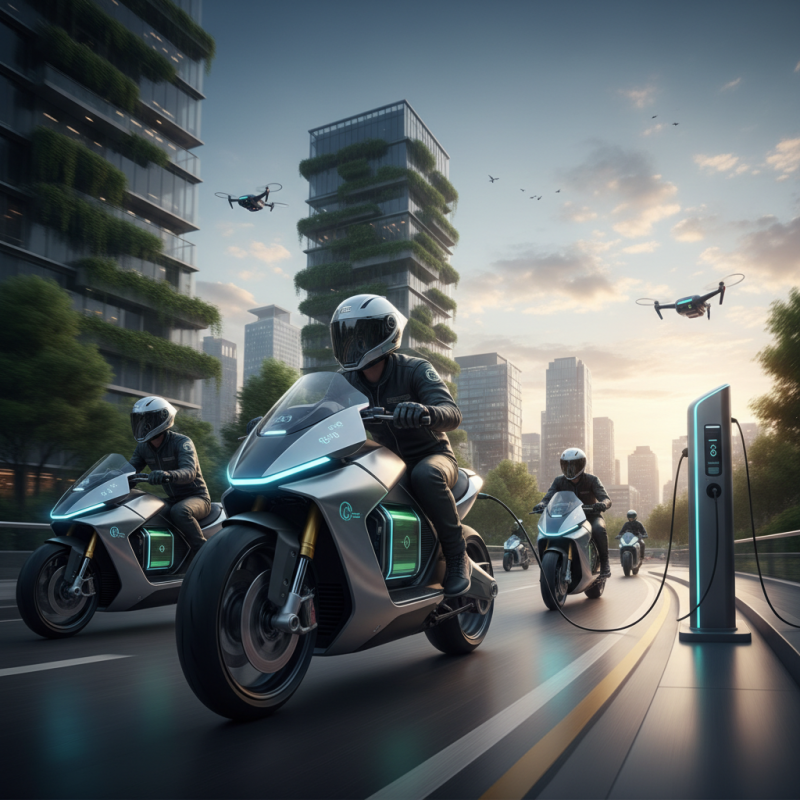
2026 Electric Motorcycle and Scooter Market Overview
The electric motorcycle and scooter market is experiencing rapid growth. According to a recent industry report, global sales are expected to reach 15 million units by 2026. This shift highlights the increasing consumer demand for eco-friendly transportation alternatives. Urban areas are leading this trend, driven by efforts to reduce pollution and traffic congestion.
Notably, advancements in battery technology are transforming the market. New lithium-ion batteries offer longer ranges and faster charging times. Reports indicate that most models will achieve over 100 miles per charge by 2026. This development is critical for riders who require reliability for daily commutes. However, cities must adapt infrastructure to support this influx of electric vehicles.
Safety remains a concern as well. A significant number of buyers report feeling unsure about safety features in electric models. According to surveys, around 40% of potential purchasers prioritize safety over range or speed. Manufacturers are urged to address these perceptions through enhanced safety technologies. Without these improvements, consumer hesitance could hinder market growth.
Key Technological Innovations Influencing Electric Two-Wheelers
The electric motorcycle and scooter market is witnessing rapid technological advancements. Recent industry reports indicate that innovations in battery technology are a game changer. Solid-state batteries are gaining traction, offering higher energy density and faster charging times. Research shows that these batteries can increase range by up to 40% compared to traditional lithium-ion designs.
Another notable trend is the integration of AI and smart connectivity features. Sensors that monitor rider behavior and environmental conditions enhance safety and efficiency. Studies have found that smart systems can reduce accidents by 30%. Additionally, real-time data can optimize route planning, making commuting more efficient.
However, there are challenges. Infrastructure for charging stations is still underdeveloped in many regions. This lack of accessibility could hinder the widespread adoption of electric two-wheelers. Furthermore, the initial purchase price remains a hurdle. Although total ownership costs are lower, consumers may need more education on long-term savings. Addressing these concerns will be vital for the industry's growth.
Sustainability and Environmental Impact in Electric Vehicle Design
The shift towards sustainability in electric motorcycle and scooter design is evident. Reports indicate that the global electric motorcycle market is projected to reach $24.5 billion by 2027, driven by a growing demand for environmentally friendly transportation. This demand emphasizes the importance of integrating sustainable practices in design and manufacturing. Many manufacturers are now prioritizing recyclable materials and energy-efficient production methods.
Battery technology plays a significant role in reducing environmental impact. Recent studies show that battery production contributes to nearly 60% of the greenhouse gas emissions linked to electric vehicles. Thus, optimizing battery life and recycling programs is crucial. Some producers are exploring second-life applications for used batteries, which can extend their utility beyond initial use.
Tips for buyers:
- Research the sustainability practices of manufacturers.
- Consider models with batteries designed for easier recycling.
- Look for options that offer energy-efficient features to reduce your carbon footprint.
The improvement is ongoing. Consumers can analyze choices critically. The pursuit of sustainability is a journey, not a destination. Ensuring your electric two-wheeler supports eco-friendly values is essential for future generations.
Consumer Preferences: Features and Performance in 2026 Models
As we approach 2026, electric motorcycles and scooters continue to evolve rapidly. Consumers are showing a clear preference for enhanced features and reliable performance. The latest models emphasize longer battery life, with many achieving ranges of over 200 miles on a single charge. Speed is another focal point, with several new scooters capable of hitting 60 mph, which opens up new possibilities for urban commuting.
Many buyers are also prioritizing comfort and technology. Ergonomic designs and adjustable seating are becoming standard. Screens displaying navigation and performance metrics are gaining traction too. As consumers demand more from their electric rides, manufacturers are pushed to innovate further. However, it is essential to examine whether these advancements genuinely improve riding experience or simply add complexity.
**Tips**: Consider test riding multiple models. This can help you identify what feels comfortable. Also, pay attention to maintenance ease. Some features might look great on paper but can become cumbersome over time. Reflect on your needs—sometimes less is more in choosing the right electric vehicle.
2026 Top Electric Motorcycle and Scooter Trends for Buyers
Regulatory Changes and Their Effects on Electric Motorcycle Trends
Regulatory changes are reshaping the electric motorcycle and scooter market. Governments worldwide are implementing stricter emissions standards and safety regulations. These policies aim to reduce pollution and encourage the adoption of cleaner transport options. As regulations tighten, manufacturers must innovate. This often leads to improved battery life and enhanced safety features.
The effect of these regulations can be both positive and challenging. For instance, while stricter standards drive technological advancements, they may also increase production costs. Consumers might feel these costs in the form of higher prices. Additionally, some smaller manufacturers may struggle to comply with new regulations, potentially limiting their market presence.
As the market evolves, buyers must stay informed about these changes. Understanding local regulations can help them make better choices. Regulatory shifts could influence models available in their area. Therefore, staying updated on both regulations and technology is essential. This awareness can guide buyers toward sustainable and effective options.
2026 Top Electric Motorcycle and Scooter Trends for Buyers
| Trend | Description | Impact on Buyers | Regulatory Changes |
| Increased Range | Electric motorcycles and scooters are expected to offer longer ranges due to advancements in battery technology. | More convenient for longer trips, reducing range anxiety for users. | Potential incentives for manufacturers to invest in better batteries. |
| Smart Features | Integration of smart technology such as apps for navigation, diagnostics, and security. | Enhanced user experience and convenience for riders. | New regulations may require certain safety tech to be standard. |
| Eco-friendly Materials | Manufacturers are focusing on sustainable materials for construction and accessories. | Appeals to environmentally-conscious buyers, increasing overall appeal. | Regulations encouraging the use of sustainable practices in production. |
| Affordable Models | Development of lower-cost options for entry-level buyers. | More accessible options for new riders, increasing market growth. | Government subsidies or incentives can lower costs for users. |
| Enhanced Charging Infrastructure | Expansion of charging stations, especially in urban areas. | Eases the concern of recharging while on the road. | Regulatory support for public and private charging station development. |