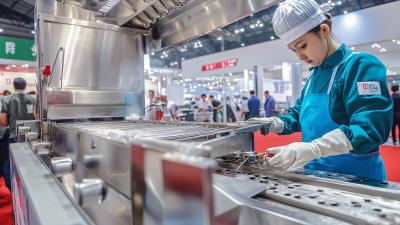

2026 Top Beef Processing Equipment for Global Buyers
Choosing the right Beef Processing Equipment in 2026 requires more than comparing prices and stainless-steel specifications. Global buyers must examine hygiene design, processing capacity, energy use, operator safety, maintenance access, and regional compliance. A fast machine is not automatically a smart investment. Sometimes, the overlooked drain, seal, or control panel causes the greatest production loss.
Temple Grandin, an internationally recognized animal-behavior and humane-handling expert, said, “The objective is to design equipment that will make it easy for the animal to move through the system.” Her observation remains relevant beyond handling areas. Equipment should support controlled movement, reduce unnecessary stress, and create safer working conditions. Conveyors, stunning systems, carcass splitters, deboning machines, vacuum packaging units, and cleaning systems must operate as one connected process.
This guide reviews leading equipment categories for international purchasing teams. It considers practical factors, including throughput, food-contact materials, sanitation routines, spare-part availability, installation support, and total ownership cost. Certifications matter. So does local service.
There is no perfect machine.
A processor in Brazil may need different priorities from one in Germany or Kenya. Water availability, labor skills, power stability, and export requirements can change the final decision. Buyers should request factory tests, maintenance records, and transparent technical documentation before signing contracts. Even experienced teams can miss small compatibility issues. That is why careful site evaluation remains essential. Good equipment improves productivity, but responsible purchasing protects product quality, workers, animals, and long-term business reliability.
What Beef Processing Equipment Includes and How It Supports Production
2026 Top Beef Processing Equipment for Global Buyers
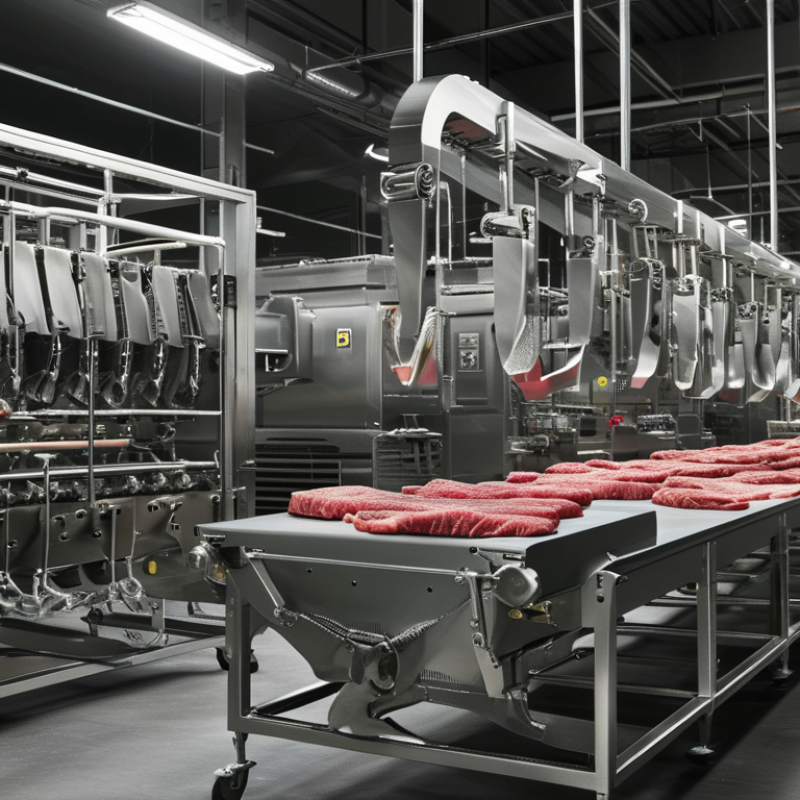
Beef processing equipment covers more than cutting machines. A practical line may include stunning systems, hide removal units, carcass splitters, saws, deboning tables, grinders, mixers, weighing devices, conveyors, chillers, and sanitation stations. Each machine controls a different production risk. A sharp splitting saw can reduce bone fragments, while calibrated scales support consistent portion sizes and traceability.
The USDA Foreign Agricultural Service estimated global beef production at roughly 61 million metric tons in recent annual forecasts. That volume places pressure on cooling capacity, labor efficiency, and hygienic handling. FAO’s Food Outlook also continues to identify meat supply chains as sensitive to energy, feed, logistics, and disease-related disruptions. Equipment choices must therefore match the facility’s real operating conditions, not only its target output.
For example, a medium plant may need a fast carcass conveyor, but a small export facility may gain more from flexible deboning stations. Chillers should maintain stable product temperatures, even during loading peaks. CIP-compatible surfaces and tool sterilizers help reduce contamination points. Sensors can record temperature, weight, and line stoppages.
Data helps.
Still, automation is not automatically better. Poorly trained operators can misuse sophisticated controls, and neglected blades can increase waste. Buyers should inspect cleaning access, spare-part availability, noise levels, worker ergonomics, and local electrical standards. A polished sales specification cannot replace a production trial, sanitation review, and realistic maintenance plan.
Key Equipment Categories for Slaughtering, Cutting, and Deboning Beef
Global buyers need equipment that protects hygiene, worker safety, and product yield. The USDA Foreign Agricultural Service forecast global beef production at approximately 61.7 million metric tons in 2025. This scale increases demand for reliable slaughtering lines, not simply faster machines. A practical system may include humane restrainers, stunning units, hide-removal machines, evisceration tools, carcass splitters, and automated washing stations. Chilling capacity matters too. Poor temperature control can reduce shelf life before cutting begins.
Cutting rooms require band saws, portioning machines, trim conveyors, and weighing systems. Deboning lines add specialized knives, pneumatic tools, bone separators, and stainless-steel worktables. Meat and Livestock Australia technical studies show that boneless yield can commonly reach about 70–75% of carcass weight, depending on breed, trimming standards, and operator skill. That range is useful, but not universal. Over-automation may also increase trim loss when product sizes vary. A careful buyer should compare actual yield trials, cleaning time, water use, and maintenance access. Small details matter. A difficult-to-clean conveyor can create costly delays and hygiene risks.
How to Select Beef Processing Machines for Different Plant Scales
2026 Top Beef Processing Equipment for Global Buyers
How to Select Beef Processing Machines for Different Plant Scales
Plant scale should guide equipment selection, not catalog popularity. FAO’s 2023 Statistical Yearbook recorded about 357 million tonnes of global meat production in 2021. Cattle meat represented roughly 20% of that volume. This demand includes very different factories. A small butcher plant may need a bandsaw, grinder, vacuum packer, and compact chiller. A medium facility may require portioning, patty forming, metal detection, and automated conveyors. Large plants need integrated cutting lines, vision inspection, refrigeration control, and traceable data systems.
Capacity figures need careful checking. Rated output often assumes ideal cuts, skilled operators, and continuous feeding. Real production includes trimming, cleaning, product changeovers, and short stoppages. For a small plant, choose washable stainless-steel frames and tool-free access. For a medium plant, compare hourly output with daily labor availability. Large facilities should evaluate line balance, backup power, spare parts, and wastewater loads. ISO 22000-based food safety systems also make hygienic design and documented cleaning essential. A polished brochure can still hide costly maintenance.
Tips: Measure peak demand, not average demand. Test your actual beef cuts before purchasing. Ask for sanitation time, noise levels, energy use, and verified throughput. Leave room for future expansion, but avoid buying automation that your operators cannot maintain. I would also budget for training. This is often underestimated. Meat & Livestock Australia’s processing research repeatedly highlights yield control as a major profitability factor, yet yield can fall when blades, temperatures, or trimming standards drift.
2026 Top Beef Processing Equipment for Global Buyers - How to Select Beef Processing Machines for Different Plant Scales
Indicative equipment-selection data for beef slaughtering, cutting, trimming, grinding, packaging, and cold-chain operations.
| Plant scale | Typical slaughter throughput | Recommended processing equipment | Typical operating capacity | Main selection criteria | Indicative utilities and space | Best-fit applications |
|---|---|---|---|---|---|---|
| Micro / farm-scale | Up to 10 cattle per day | Manual or semi-automatic hide puller, rail hoist, carcass splitting saw, stainless-steel worktables, manual bone saw, small vacuum packer, compact mincer, handwash and sanitation stations | Mincer: approximately 300–800 kg/h Vacuum packer: 2–6 packs per minute Bone saw: approximately 20–40 cuts per minute |
Low capital cost, simple cleaning, single-phase or light three-phase power, operator safety, local serviceability, and flexible batch production | Approximately 20–60 m² for the processing area; commonly 3–15 kW connected equipment load, excluding refrigeration and hot-water systems | Direct retail, farm shops, local butchers, small restaurants, and specialty beef products |
| Small commercial plant | 10–40 cattle per day | Powered hide puller, hide hoist, carcass splitter, electric rail system, quartering saw, vacuum tumbler, bowl cutter, grinder, vacuum packaging machine, label printer, and basic metal detector | Grinder: approximately 800–2,000 kg/h Vacuum tumbler: 300–1,000 L Packaging line: 5–12 packs per minute |
Modular layout, stainless-steel construction, washdown rating, changeover time, product temperature control, and availability of replacement parts | Approximately 80–200 m² for slaughter and processing zones; commonly 15–60 kW connected equipment load, excluding refrigeration | Regional wholesale, foodservice supply, chilled primal cuts, ground beef, and limited export production |
| Medium plant | 40–150 cattle per day | Continuous overhead rail, mechanical hide removal, carcass splitting saw, automatic weighing, rail-mounted quartering equipment, industrial grinder, vacuum filler, tumbler, tray sealer, thermoformer, and checkweigher | Grinder: approximately 2,000–5,000 kg/h Thermoformer: approximately 10–25 cycles per minute Rail speed: commonly 2–6 cattle per minute, depending on layout and inspection points |
Throughput balance, hygienic zoning, automatic weighing and traceability, product yield, conveyor synchronization, and cleaning access | Approximately 250–700 m² for primary processing and fabrication; commonly 60–180 kW connected equipment load, excluding refrigeration, ventilation, and wastewater treatment | National retail supply, foodservice distribution, private-label products, and controlled export programs |
| Large industrial plant | 150–500 cattle per day | Automated slaughter line, powered hide removal, high-speed carcass splitter, automated rail conveyors, online carcass scales, robotic or assisted cutting stations, industrial grinders, high-speed slicers, thermoformers, tray sealers, and inline inspection systems | Grinder: approximately 5,000–10,000 kg/h Thermoformer: approximately 20–45 cycles per minute Packaging: approximately 20–60 packs per minute, depending on pack size and format |
Line availability, automation level, labor reduction, hygienic design, data integration, spare-parts planning, energy efficiency, and export compliance | Approximately 700–2,000 m² for slaughter and fabrication areas; commonly 180–500 kW connected equipment load, excluding refrigeration and utilities infrastructure | High-volume domestic distribution, export cartons, chilled retail programs, frozen products, and foodservice contracts |
| High-volume export plant | More than 500 cattle per day | Fully integrated slaughter and fabrication system, automated carcass tracking, robotic cutting cells, high-speed deboning lines, inline X-ray or metal detection, automatic case packing, palletizing, cold-storage conveyors, and centralized production-control software | Grinder: approximately 8,000–15,000 kg/h High-speed packaging: approximately 40–100 packs per minute Deboning and cutting capacity must be matched to carcass and order mix |
Validated hygienic design, redundancy for critical equipment, digital traceability, global electrical compatibility, sanitation automation, product yield, and lifecycle support | Typically more than 2,000 m² for production zones; connected equipment load often exceeds 500 kW, excluding refrigeration, compressed air, wastewater treatment, and boilers | Multi-market export, large retail contracts, frozen commodity beef, chilled premium cuts, and high-volume foodservice programs |
| Cutting and deboning department | Selected according to carcass flow; commonly 20–300 cattle per day | Carcass rail, quartering saw, band saw, electric knives, meat conveyors, trim tables, portion cutter, slicer, deboning tools, vacuum packer, and product weighing system | Portion cutter: approximately 500–2,000 portions per hour Slicer: approximately 500–2,500 kg/h Vacuum packing: approximately 5–30 packs per minute |
Cut accuracy, trim yield, operator ergonomics, blade changeover, product temperature, conveyor balance, and hygienic separation between raw and packed product | Processing-room temperature is commonly maintained near 0–4°C for chilled boneless beef; space depends on SKU count and labor arrangement | Steaks, roasts, primal cuts, boneless manufacturing beef, retail portions, and foodservice cuts |
| Grinding and formed-product line | Suitable for small to high-volume plants | Pre-breaker, grinder, mixer, emulsifier where required, patty former, portioning system, interleaver, conveyor, metal detector, and automatic packaging machine | Grinder: approximately 300–15,000 kg/h depending on configuration Patty former: approximately 1,000–6,000 portions per hour Mixer: approximately 100–2,000 kg per batch |
Particle-size control, fat-to-lean consistency, temperature rise, easy disassembly, allergen and recipe control, and foreign-material detection | Use chilled raw material and maintain the product within the plant’s food-safety temperature program; floor drainage and washdown access are essential | Ground beef, burgers, meatballs, sausages, kebabs, and other formed beef products |
| Packaging and cold-chain department | Suitable for any plant scale | Vacuum chamber machine, belt vacuum packer, thermoformer, tray sealer, modified-atmosphere packaging system, checkweigher, labeler, metal detector, carton sealer, pallet wrapper, blast chiller, and cold-storage handling equipment | Vacuum chamber: approximately 2–12 cycles per minute Thermoformer: approximately 10–45 cycles per minute Checkweigher: commonly 60–200 packs per minute, depending on pack size |
Pack format, shelf-life target, film compatibility, oxygen control, seal integrity, label and barcode accuracy, cleaning method, and integration with cold storage | Chilled beef is generally handled under a validated cold-chain program; final room and product temperatures must follow the destination market’s regulations | Retail packs, vacuum-packed primals, foodservice cartons, export packaging, and frozen distribution |
| Utilities, hygiene, and quality-control systems | Required for every plant scale | Hot-water system, foam-cleaning equipment, handwash stations, boot washers, sterilizers, compressed-air system, wastewater pre-treatment, temperature monitoring, traceability software, weighing systems, and inspection equipment | Size according to peak production, cleaning shift, water temperature, sanitation frequency, refrigeration load, and local regulatory requirements | Food-contact materials, cleanable construction, drainage, separation of hygienic zones, validated sanitation procedures, worker safety, and maintainability | Allow space for service access, chemical storage, drainage, ventilation, electrical panels, compressed air, and wastewater flow; utility sizing must be confirmed by engineering calculations | Food-safety compliance, export approval, consistent product quality, reduced downtime, and auditable production records |
Planning note: The capacities and space ranges shown are typical preliminary-planning values, not guaranteed machine specifications. Actual performance depends on cattle weight, carcass presentation, product mix, operating hours, labor, automation level, room temperature, local electrical standards, sanitation requirements, and applicable food-safety regulations.
Hygiene, Safety, Automation, and Energy Standards for Global Buyers
Global buyers evaluating beef processing equipment in 2026 should look beyond cutting speed. Hygiene, operator safety, automation, and energy use now shape long-term performance. Equipment should support cleanable surfaces, open access points, and hygienic welds. Stainless steel construction helps, but material alone is not enough. Design must reduce water traps, grease buildup, and difficult-to-reach corners. Cleaning crews notice these details every day.
Safety begins with controlled movement and clear machine access. Interlocked guards, emergency stops, non-slip flooring, and visible warning systems reduce avoidable injuries. Sensors can monitor blade position, temperature, pressure, and line congestion. Automation also improves weight accuracy and product traceability. However, automation cannot repair poor procedures. A well-designed system still needs trained workers, documented inspections, and verified sanitation routines.
Energy performance deserves practical measurement. Variable-speed motors, heat recovery, efficient refrigeration, and low-water cleaning systems can reduce operating costs. Buyers should request performance data under real production loads, not only showroom conditions. Ask for maintenance intervals, spare-part availability, and validation records. These documents reveal more than attractive specifications. Still, no processing line is flawless. Sensors may drift, software may fail, and cleaning times may be underestimated. Regular audits and honest operator feedback remain essential for reliable global production.
2026 Top Beef Processing Equipment for Global Buyers
Hygiene, safety, automation, and energy standards begin with controlled product temperatures throughout processing and storage.
The chart shows maximum or target product temperatures specified for common beef categories under EU Regulation (EC) No. 853/2004, Annex III, Section I. Lower temperatures require stronger refrigeration, insulated conveyors, hygienic equipment design, automated monitoring, and efficient energy management. Equipment should also support HACCP controls, hygienic construction principles under EN 1672-2, machinery risk assessment under ISO 12100, and efficient motor selection under IEC 60034-30-1.
Reference: Regulation (EC) No. 853/2004, Annex III, Section I, Chapters V–VII. Requirements may vary by destination market and product specification.
How to Compare Suppliers, Costs, Installation, and After-Sales Support
Choosing beef processing equipment in 2026 requires more than comparing machine prices. Global buyers should examine supplier experience, factory capacity, documentation, and quality controls. Ask for recent installation references, test videos, material certificates, and a clear production guarantee. Stainless steel grades matter, especially around cutting, washing, and drainage areas. A polished brochure is not enough.
Compare the full cost, not only the quotation. Include shipping, customs, electrical changes, spare parts, training, and scheduled maintenance. A lower-priced machine may require extra conveyors or larger utility systems. Request a line layout with water, power, air, and floor-load requirements. Check whether installation technicians understand local site conditions. In practice, a small drain-height error can delay commissioning for days. That detail is easy to miss.
After-sales support should be measurable. Confirm response times, remote troubleshooting methods, spare-parts availability, and technician travel arrangements. Ask whether manuals include photographs, cleaning steps, fault codes, and replacement intervals. A useful supplier will explain production limits instead of promising unrealistic output. Buyers should also verify warranty exclusions, software updates, and operator training hours. I have seen comparison sheets overlook sanitation labor and downtime. That mistake becomes expensive. Leave room for trial runs, because real products rarely behave exactly like factory samples.
Related Posts
-
Top 10 Beef Processing Equipment Manufacturers from China at the 137th Canton Fair
-
Leading Industrial Meat Processing Equipment Manufacturers from China at the 137th Canton Fair
-
The Evolution of Meat Processing Equipment for Global Buyers
-
Top Chicken Processing Equipment Trends for 2026 Buyers Guide?
-
China Best Beef Processing Equipment for Global Buyers?
-
Mastering Best Food Processing Plant Equipment for Efficient Production Workflow