Top 10 Benefits of Using Injection Molding Machine With Robot?
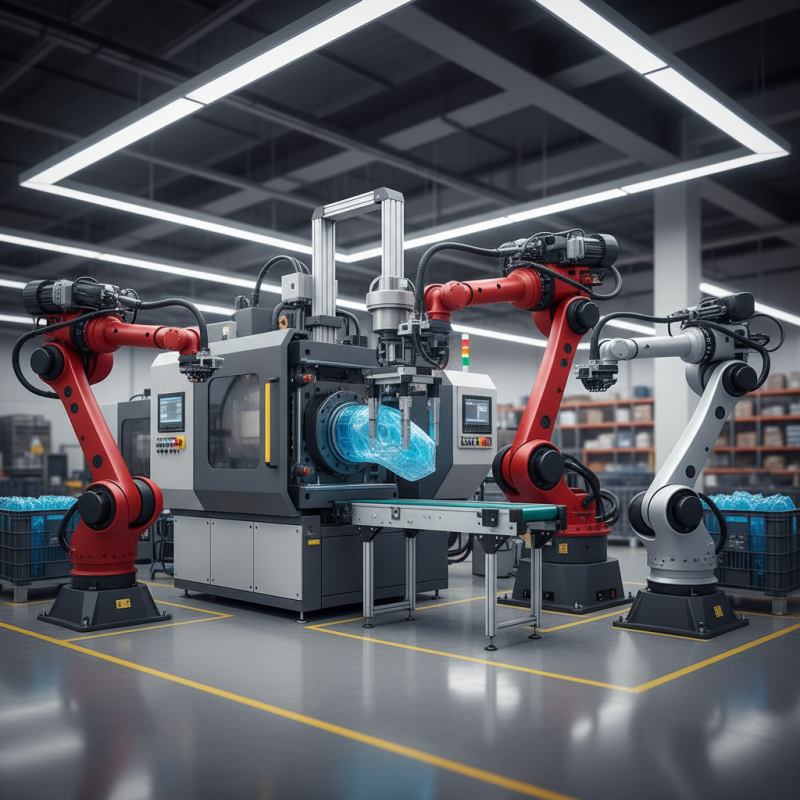
The integration of an "Injection Molding Machine With Robot" has revolutionized manufacturing processes. This technology enhances efficiency significantly. Robotic arms streamline operations, reducing labor costs and human errors. The automation creates a seamless workflow. Consequently, production speed increases, allowing for higher output.
Businesses can benefit from precision in molding. Robots ensure consistent quality and minimize defects in products. The flexibility of this system allows for quick adjustments in production. However, challenges remain. Initial costs can be high, and technical issues may arise. Companies must assess their needs carefully. They must also consider the long-term benefits against upfront investments.
The synergy between injection molding and robotics opens new possibilities. Enhanced productivity and reduced cycle times lead to competitive advantages. As industries evolve, the reliance on automation is becoming evident. Embracing these innovations can drive growth, but businesses should remain vigilant to potential pitfalls.
Benefits of Improved Efficiency in Injection Molding Processes
Injection molding is a vital process in manufacturing. Using a robot with injection molding machines greatly enhances efficiency. Robots automate the loading and unloading of materials. This saves time and reduces human error. The cycle time for each product can become shorter. With less downtime, production rates soar.
Tips: Optimize the robot's programming. Ensure it is configured for specific tasks to maximize productivity.
Improved efficiency also leads to cost savings. Fewer labor hours translate to lower operational costs. High-speed robotics can maintain precision in the injection molding process. This leads to fewer defects and waste. Yet, adapting to new technology can be challenging. Training staff is essential for smooth transitions.
Tips: Regularly review the training programs. Make adjustments to keep pace with technology changes.
Efficiency gains can lead to increased output. However, it's crucial to monitor production closely. Sometimes, robots may face technical glitches. Addressing these issues swiftly is key to maintaining momentum. Balancing automation with human oversight might be necessary.
Enhanced Precision and Quality Control Through Automation
Automation in manufacturing has changed the industry landscape. Injection molding machines paired with robots enhance precision and quality control significantly. A recent report from the Manufacturing Institute indicates that automation can reduce production errors by up to 30%. This improvement directly corresponds to increased efficiency and lower costs.
Robots handle repetitive tasks, allowing for precise movements and consistency. This can lead to higher production rates. According to a study by the International Journal of Advanced Manufacturing Technology, automated processes can boost output by as much as 40%. However, challenges remain. Not all systems integrate seamlessly. Some machines may require adjustments after setup, which can introduce unpredictability.
Quality control is also impacted. Automated systems include in-line inspection capabilities. This helps identify defects in real time. Yet, reliance on technology does not assure perfection. Human oversight remains crucial. Without it, even advanced systems might overlook subtle issues that can affect the final product quality. Balancing automation's benefits with the need for human insight creates a path forward.
Top 10 Benefits of Using Injection Molding Machine With Robot
| Benefit | Description | Impact on Production |
| Enhanced Precision | Robots ensure precise movements and positioning for accurate molding. | Reduces waste and improves product quality. |
| Increased Efficiency | Robots can operate continuously, leading to higher production rates. | Lowers production costs and time. |
| Quality Control | Automated systems can monitor and correct molding processes in real-time. | Ensures consistent quality across production batches. |
| Reduced Labor Costs | Minimal manual labor is needed for operation and supervision. | Decreases overall operational expenses. |
| Shorter Cycle Times | Robotic automation facilitates quicker cycle times in production. | Enhances throughput significantly. |
| Flexibility | Robots can be reprogrammed for different tasks without major downtime. | Allows quick adjustments to product lines. |
| Improved Safety | Robots handle dangerous tasks, keeping human workers safe. | Reduces workplace accidents and injuries. |
| Enhanced Product Design | Allows for more complex designs due to precision control. | Expands creative possibilities in product development. |
| Data Collection and Analysis | Automated systems can collect data for performance analysis. | Improves long-term manufacturing strategies. |
| Environmental Sustainability | Efficient use of materials and less waste reduce environmental impact. | Supports corporate sustainability initiatives. |
Reduction of Labor Costs with Robotic Integration
The integration of robotic systems in injection molding has transformed manufacturing. Labor costs often consume a significant portion of production expenses. According to a report by Mordor Intelligence, robotic automation can reduce labor costs by up to 30%. This dramatic reduction is driving manufacturers to adopt robotics.
Robots improve efficiency and speed. They can operate continuously, without breaks, and reduce human error. These machines also handle repetitive tasks, which allows human workers to focus on more complex issues. However, the initial investment in robotic systems remains a challenge for many companies. The upfront costs can be substantial, and not every business sees immediate returns.
Despite these challenges, the rewards often outweigh the risks. Studies show that robotic systems can increase production rates by as much as 50%. While some may feel hesitant about automation, the reality is that it often leads to better job opportunities. Workers can transition to skilled roles that require oversight and management of technology. The potential for growth remains high, yet companies must strategically plan their implementation of robotic systems to fully realize the benefits.
Increased Production Flexibility and Scalability
Injection molding machines equipped with robots offer remarkable benefits in production flexibility and scalability. In modern manufacturing, the demand for customized products is growing rapidly. A recent industry report highlights that 60% of manufacturers face challenges meeting diverse customer needs. This is where automated systems shine. Robots can adapt quickly to changes in design or production volume, enabling companies to pivot efficiently based on market trends.
Moreover, the integration of robotic systems with injection molding enhances workflow. The National Association of Manufacturers (NAM) reported that companies using automated processes experience a 30%% increase in productivity. Robots handle repetitive tasks with precision, allowing human workers to focus on more complex responsibilities. For instance, an automated robot can often cycle through tasks faster than manual methods. However, this transition isn't without hurdles. Training staff to navigate these new systems can be daunting. Some companies report a learning curve that initially slows down production.
Scalability is another significant advantage. With robotic automation, expanding production lines or introducing new products becomes more straightforward. It's estimated that businesses can increase output by 50% in response to demand fluctuations. The flexibility offered by robotic systems can lead to unsustainable practices if not managed correctly. Over-reliance on automation could risk job loss or a decline in product quality. Consequently, balancing automation with human oversight is essential to capitalize on these advancements effectively.
Safety and Ergonomics: A Positive Impact on Worker Environment
The integration of injection molding machines with robotics significantly enhances worker safety and ergonomics. By automating hazardous tasks, companies reduce potential injuries. Robots can handle heavy materials or perform repetitive motions, alleviating strain on human workers. This allows employees to focus on more critical aspects of production.
Creating an ergonomic workspace benefits everyone. Workers experience less fatigue, leading to higher productivity. However, it is vital to remember that not every robotic solution fits seamlessly. Changes can be disruptive, requiring training and adjustment periods. Some workers may struggle with new technology, leading to initial concerns about job security. Addressing these fears ensures a smoother transition.
In addition, maintaining equipment is crucial for safety. Regular checks prevent malfunctions that could pose risks. By fostering a culture of vigilance, companies can ensure their environments remain safe. Engaging workers in this process builds trust and promotes a shared responsibility for safety. This dynamic highlights the importance of ongoing communication in adapting to technological advancements.