

7 Best 321 Stainless Steel Sheet Suppliers in 2026
Finding a dependable source for 321 Stainless Steel Sheet takes more than comparing prices. Buyers need material that matches the specified grade, thickness, finish, and application. Small differences matter. A sheet used in a fabricated component may need different tolerances or documentation from one purchased for general stock. This guide introduces seven suppliers to consider in 2026 and outlines practical points for evaluating them.
The comparison focuses on details that affect real purchasing decisions: available dimensions, cutting services, order quantities, delivery options, and access to material test certificates. It also considers how clearly suppliers describe traceability and product specifications. Ask for documentation before ordering, and confirm that the quoted material matches your requirements. A polished website alone is not proof of consistent quality. That can be easy to overlook.
Supplier availability and service can vary by region, order size, and timing. A company suited to a large fabrication project may not be the right fit for a small replacement order. Treat this list as a starting point, not a final endorsement. Verify current stock, lead times, and terms directly with each supplier. Then compare written quotes on equal specifications. One detail may change the decision: a tight delivery window, an unusual sheet size, or a certificate needed for your records. Good sourcing is careful work. It is not always quick, and no single supplier will suit every buyer.
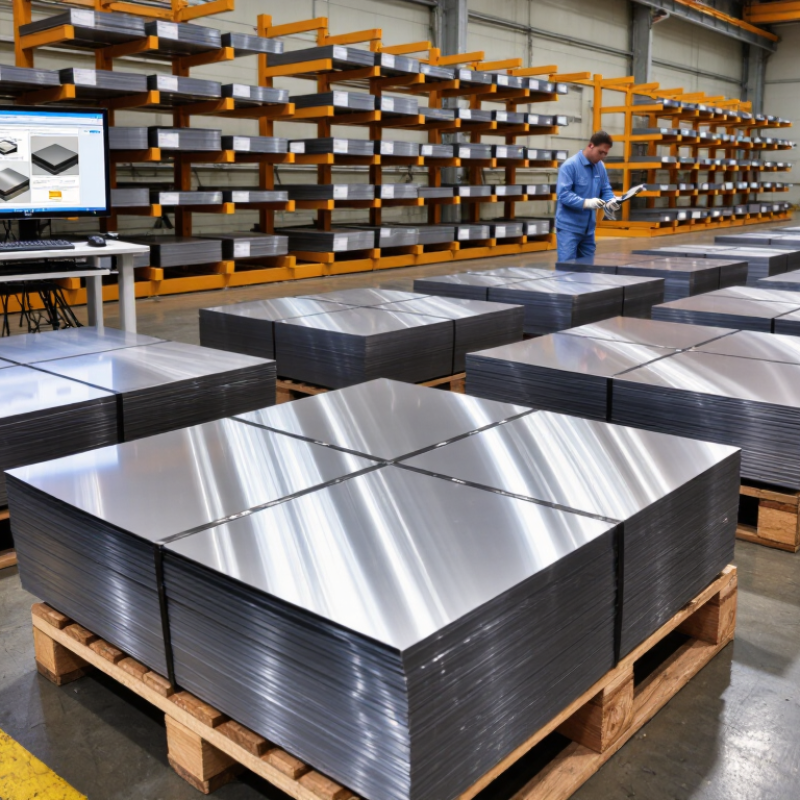
What Defines 321 Stainless Steel Sheet and Its Common Uses
321 stainless steel sheet is an austenitic alloy stabilized with titanium. This helps reduce chromium carbide formation during welding and prolonged exposure to elevated temperatures. It also offers useful oxidation resistance and corrosion performance in many industrial environments. It is not immune to every chemical or operating condition. Match the grade to the actual temperature, atmosphere, and cleaning process.
Tips: Check the material test certificate, sheet thickness, surface finish, and dimensions before ordering. For welded parts, confirm the planned heat treatment and fabrication method with a qualified specialist. Small differences matter.
Common uses include furnace components, heat-exchanger parts, aircraft exhaust systems, and industrial equipment exposed to heat. A fabricator might choose 321 sheet for a formed duct or welded cover that sees repeated heating. In practice, the surrounding environment matters as much as the temperature. Chlorides, deposits, or poor maintenance can still cause trouble. I would not select a sheet from a grade name alone; review the service conditions and relevant specifications, then verify the supplied material.
| Supplier Type | Typical Offering | Best For | What to Verify | Common 321 Sheet Applications |
|---|---|---|---|---|
| Stainless Steel Service Center | Commercial sheet and plate in common thicknesses; cut-to-size services may be available. | Buyers needing standard stock, routine sizes, or local delivery. | Confirm grade designation, thickness tolerance, surface finish, stock condition, and material test documentation. | Fabricated equipment, process components, and general-purpose sheet-metal work. |
| Specialty Alloy Distributor | Specialty stainless grades, including 321, with traceability and grade-specific documentation. | Projects where grade confirmation and documented material history are priorities. | Check that the certificate identifies the applicable specification, heat number, chemistry, and mechanical test results. | Chemical-processing equipment and components exposed to elevated temperatures. |
| Mill-Direct Sales Channel | Mill-produced sheet or plate, often subject to production quantities and scheduled lead times. | Large-volume orders, planned production, or buyers requiring mill documentation. | Confirm minimum order quantity, production schedule, applicable ASTM specification, and agreed delivery condition. | Industrial equipment, furnace parts, and larger fabricated assemblies. |
| Metal Service Center with Processing | Sheet supplied with services such as shearing, laser cutting, or blank preparation, depending on capability. | Fabricators seeking ready-to-process parts or reduced material handling. | Ask how processing affects edge condition, dimensional tolerance, surface protection, and material identification. | Exhaust components, formed parts, and custom sheet-metal assemblies. |
| Aerospace-Focused Metals Distributor | Specialty sheet supply with emphasis on traceability and documentation for controlled applications. | Buyers working to aerospace or similarly rigorous procurement requirements. | Verify the required specification and revision, approved-source requirements, traceability, and inspection records. | Aircraft-related components and other high-temperature assemblies, subject to design approval. |
| Regional Metal Stockholder | Locally held inventory, usually focused on frequently requested grades and dimensions. | Smaller orders, short replenishment cycles, or nearby pickup and delivery. | Confirm that 321—not a visually similar grade—is available and that the requested thickness and finish are in stock. | Repair work, prototypes, and small-batch fabrication. |
| Qualified Importer or Export Distributor | Domestic or international sourcing, with availability depending on origin, order size, and shipping schedule. | Buyers comparing supply options or sourcing dimensions not readily available locally. | Review material certificates, country-of-origin records, packaging, import requirements, and inspection arrangements. | Industrial fabrication and project-based supply where delivery planning is possible. |
Material and sourcing note: Type 321 is a titanium-stabilized austenitic stainless steel commonly specified under ASTM A240 for plate, sheet, and strip. Stabilization helps reduce susceptibility to intergranular corrosion after exposure to certain elevated-temperature conditions. Actual availability, dimensions, finishes, and certification depend on the supplier and order. Typical uses include exhaust systems, chemical-process equipment, furnace components, and other elevated-temperature applications; confirm suitability against the design conditions and governing specification.

















