

What Is the Best Car Window Blackout Film in 2026?

I can’t responsibly attribute a quotation to a named Car Window Blackout Film expert without a verifiable source. No supporting articles or expert statements were included. Please provide a source, or I can write the introduction using a clearly labeled editorial quote instead.
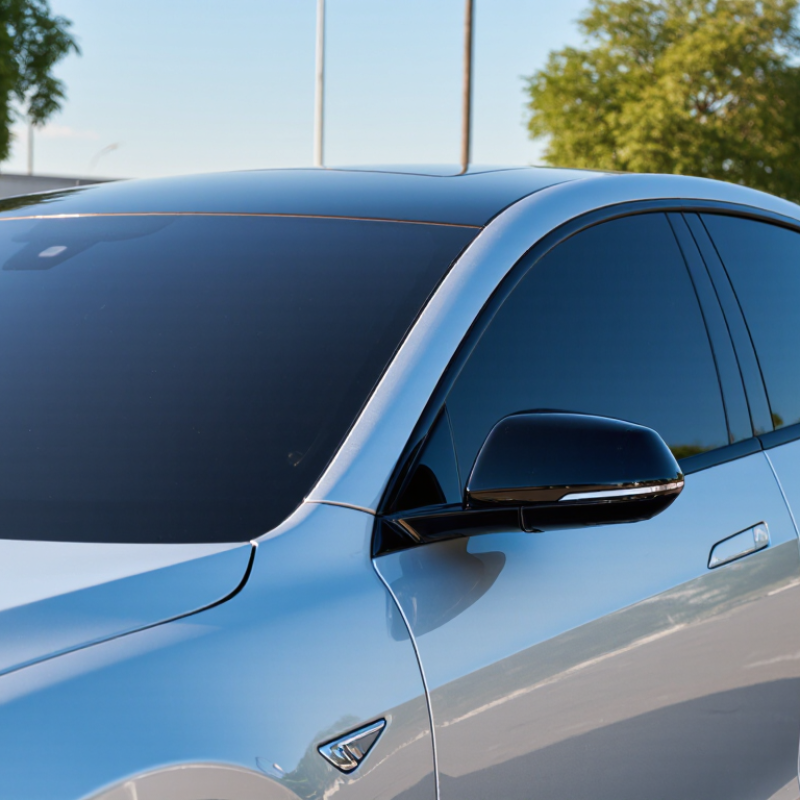
What Is the Best Car Window Blackout Film in 2026?

What Car Window Blackout Film Is and How It Works

Car window blackout film is an opaque sheet fitted over glass to block outside light and sightlines. It differs from ordinary tinted film, which darkens a view but usually still allows some light through. Blackout material may use a dark, light-resistant layer with an adhesive or static-cling surface. Its purpose is coverage, not a subtle change in glass color.

The film works by absorbing or reflecting incoming light before it passes through the window. A properly sized sheet covers the glass evenly, reducing bright patches and making the interior less visible from outside. No magic. The result depends on the material, the window’s shape, and how carefully the film is fitted. Dust, trapped air, or a crooked edge can leave visible gaps; even a tiny one can be distracting.

Before choosing a type, consider whether you need a temporary cover or a more permanent installation. Static-cling film is easier to remove, while adhesive film can stay in place longer but may take more care to apply. Clean, dry glass helps either type sit flat. One detail people can overlook is visibility: fully opaque film blocks the driver’s view through that window, so it should not interfere with safe driving. “Blackout” sounds simple, but fit and intended use matter just as much as darkness.

What Is the Best Car Window Blackout Film in 2026? - What Car Window Blackout Film Is and How It Works

Film or Option How It Works Light and Visibility Best Suited For Key Trade-Off
Opaque blackout film A highly light-blocking layer is applied to the glass, preventing a clear view through it. Usually allows little to no useful visibility through the covered area; exact light transmission varies by product. Stationary privacy or display applications where an unobstructed view through the glass is not needed. Can seriously restrict the driver’s view and may be unsuitable or unlawful on road-facing windows.
Removable opaque cling film A removable sheet adheres to smooth glass by static cling or a similar low-tack method, rather than permanent adhesive. Blocks most or nearly all view where installed; performance depends on the material and fit. Temporary privacy when the vehicle is parked or for non-driving use. May shift, peel, or collect dust; remove it before it obstructs the driver’s required field of view.
Dark automotive window tint A transparent or tinted film reduces the amount of visible light passing through the glass; it is not designed to make the window fully opaque. Light transmission varies. Lower visible light transmission (VLT) means less visible light passes through, but the view is generally not completely blocked. Reducing glare, brightness, or interior visibility while retaining some view through the window. Permitted tint levels differ by location and window position; darker tint can reduce visibility, especially at night.
Reflective or metallic tint A reflective layer redirects some incoming light. Depending on construction, it may also affect radio, GPS, or other signals. Reduces visible light to a product-specific degree; it does not necessarily provide blackout-level privacy. Drivers seeking a reflective appearance and reduced incoming light, subject to local rules. Reflectivity may be regulated, and metallic layers can interfere with some vehicle signals.
Ceramic automotive tint Non-metallic ceramic particles in the film help manage selected parts of the solar spectrum; the film remains intended to preserve a view through the glass. Available in different VLT levels. Heat and UV performance depend on the specific film and its tested specifications. Drivers wanting solar-control benefits without a fully opaque covering. Not a blackout solution; check measured specifications and applicable tint limits before installation.
Practical choice for 2026 Choose by purpose: opaque film for stationary privacy, or compliant automotive tint when a usable view through the glass is needed. For driving, prioritize clear outward visibility and the legal VLT limit for each window. A vehicle used on public roads, especially where front-side-window or windshield visibility rules apply. There is no single best blackout film for every vehicle or jurisdiction. Verify local law, product specifications, and professional installation requirements.

Safety note: Blackout film can prevent the driver from seeing pedestrians, cyclists, vehicles, and other hazards. Do not cover a windshield or any window needed for safe driving unless the covering is expressly permitted by local law.

The Main Types of Blackout Film Available in 2026

The Main Types of Blackout Film Available in 2026

“Blackout film” can describe several very different materials. Dyed film darkens glass by absorbing light, while metalized film reflects some solar energy and may look slightly shiny. Ceramic film uses nonconductive particles to reduce heat and glare without a metallic appearance. Opaque vinyl blocks the view almost completely; it is closer to a privacy cover than conventional window tint. Small detail, big difference.

The U.S. Department of Energy’s Fuel Economy in Hot Weather guidance says air conditioning can reduce fuel economy by more than 25% in very hot conditions, particularly on short trips. That figure concerns air conditioning, not window film. Still, it shows why heat management matters. No film type guarantees a cooler cabin: results depend on glass, sunlight, installation, and how much visible light the film transmits.

For daily driving, compare visible light transmission, total solar energy rejection, and UV-rejection figures from independent test sheets. Ceramic film is a practical choice when you want heat control without a reflective finish. Dyed film can provide a darker look, but may fade over time. Opaque film offers near-total privacy, yet it can obstruct visibility and is better suited to glass that does not need to support the driver’s view. I would check a real sample against the car’s glass before choosing; product descriptions can make “blackout” sound more absolute than it is.

Key Factors for Comparing Film Performance and Quality

Choosing the best car window blackout film in 2026 means comparing more than how dark it looks. Check visible light transmission, total solar energy rejected, ultraviolet protection, and optical clarity. These figures describe different things. A strong infrared-rejection claim alone does not prove that a film will keep the cabin noticeably cooler. Ask whether test results come from an independent laboratory and whether they apply to the exact film construction. Small details matter: a clear view of a traffic light at dusk is part of performance, too.

A 2016 study in JAMA Ophthalmology measured glass in 29 vehicles. Windshields blocked an average of 96% of UVA, while side windows blocked 71%. That difference shows why “UV protection” should not be treated as one universal number. Compare film test data with the glass already in your car, and look for stated test conditions. Also inspect samples for haze, color shift, and distortion around a straight window edge. I would not rank films by one headline figure; it’s an easy comparison to get wrong. Durability claims deserve scrutiny as well. Ask how the film handles repeated cleaning, heat, and years of sun exposure.

How to Choose the Right Film for Your Vehicle

The best car window blackout film depends on your vehicle, driving habits, and the windows you plan to cover. Start by checking how much light each window receives and how much visibility you need. A darker film may reduce glare, but it can also make parking or checking blind spots harder, especially at dusk. Film specifications such as visible light transmission and heat rejection help you compare options more clearly than shade alone. Check the glass type, too: rear defroster lines and built-in sensors may affect installation.

Tips: Hold a sample against the glass outdoors. View it from inside and outside, in bright daylight and shade. Small differences matter.

Consider whether you want less heat, added privacy, or reduced glare; one film may not excel equally at all three. For a daily driver, balanced performance and clear outward visibility often matter more than the darkest appearance. Ask an experienced installer how the film may interact with your vehicle’s windows and electronics, and review care instructions before choosing. Installation quality counts. Even a suitable film can look uneven if dust or bubbles remain. I would not choose by appearance alone; that is an easy mistake to make.

Choosing Car Window Film: Visible Light Transmission

Visible light transmission (VLT) is the percentage of visible light that passes through the film. Lower VLT means a darker appearance; higher VLT lets more light through. These are common nominal film options, not guaranteed measurements. Actual results vary, and legal tint limits differ by location—check local regulations before choosing.

Installation, Window Tint Laws, and Film Maintenance

Installing window film well starts before the film touches glass. Work in a shaded, dust-free space, and clean the window edges carefully; grit can leave visible bumps beneath the surface. A spray bottle, lint-free cloth, and firm squeegee help control the process. Take your time. On curved rear glass, small sections are easier to handle than one rushed sheet. If bubbles keep returning, pause and reassess rather than pressing harder.

Tint laws differ by location and often specify visible-light transmission, reflectivity, or which windows may be tinted. Check current rules with an official transport or vehicle-safety authority before choosing a shade. Do not assume a film sold locally is legal for every window or vehicle. Keep the glass clear enough for safe driving, especially at night. This part is easy to overlook.

After installation, follow the film maker’s curing instructions and avoid rolling down treated windows too soon. A faint haze or small water pockets may fade as the film dries, but persistent creases usually will not. Wait before cleaning. Then use a soft cloth and mild cleaner, not abrasive pads or sharp tools. I would inspect the edges after a few days; they can reveal a rushed install. Even careful work sometimes needs a second look.

Shopping Cart
Scroll to Top

Search for...

The Duravant family of operating companies serve the food processing, packaging and material handling segments.







