

What Is the Best Mahjong Table Cover in 2026?
A Mahjong Table Cover can change how a game feels: tiles slide differently, table edges feel softer, and cleanup may take less time. Yet “best” depends on the table and the way people play. A compact, grippy cover may suit a small home setup, while a larger table may need a fitted surface that stays smooth during long sessions. Small details matter. Loose corners can catch a sleeve. A slick fabric can send tiles skidding.
Industry reports offer context, but not a direct winner. Grand View Research’s Board Games Market Size, Share & Trends Analysis Report examines the broader board-game market; it does not rank mahjong covers or test their materials. That distinction matters. Buyers should treat market trends as background, not proof that a particular product performs well. For a useful comparison, this guide considers fit, surface texture, durability, storage, and care instructions. It also separates manufacturer claims from practical features shoppers can inspect. One caveat: a cover’s feel can vary with tile weight, table finish, and room conditions. There is no universal favorite. The right choice should protect the table without making tiles harder to handle.
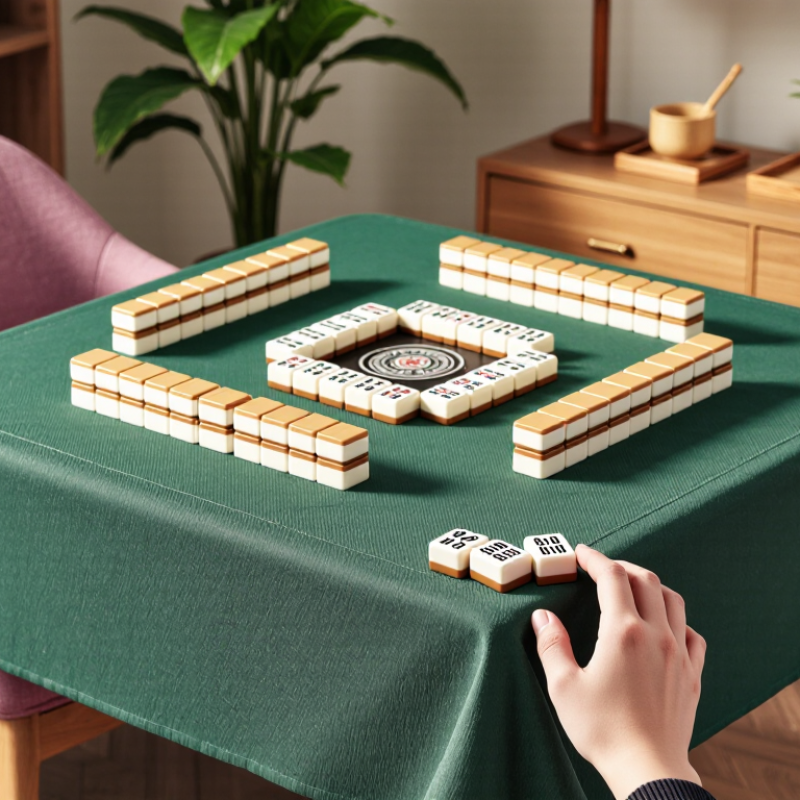
What a Mahjong Table Cover Is and What It Protects
A mahjong table cover is a removable layer placed over a table before play. It creates a consistent surface for tiles, racks, and players’ hands. More importantly, it helps protect the tabletop from scratches, small knocks, and marks from frequent use. A tile edge can leave a faint dent on soft wood over time. Drinks are another risk, even when kept nearby rather than on the playing area.
The cover’s surface also changes how the game feels. A fabric or felt top can soften the sound of tiles being set down and reduce sharp clatter. Less noise, usually. A smooth surface lets tiles move easily, but if it is too slick, pieces may drift during play. A grippy underside helps keep the cover in place, especially when players lean on the table. It should fit without bunching at the corners.
Protection depends on the material and care. Some covers resist light spills, but that does not make every one waterproof; liquid can seep through seams or edges. Wipe spills promptly, and check the maker’s cleaning guidance before washing. A very thick cover may cushion the table well, yet feel awkward under tile racks. That trade-off is easy to overlook.

How Cover Materials and Construction Affect Play
What Is the Best Mahjong Table Cover in 2026?
A cover changes how tiles slide, sound, and feel under your hands. For many players, dense short-pile fabric offers a steady surface without making tiles feel sluggish. A thin, smooth layer can speed up play, but tiles may travel farther than expected. Very plush material softens the clack. It can also make stacking feel less precise. Small details matter. Raised seams can catch a tile’s edge, especially near the table border. A level surface is usually more useful than a luxurious texture.
Construction affects durability and day-to-day setup. A firmly bonded backing helps prevent shifting, while a removable cover is easier to clean or replace. Check the corners: elastic or fitted edges should hold snugly without pulling the playing area into wrinkles. If the table folds, confirm that the cover can be removed before storage. It is tempting to choose the thickest option, but extra padding may create an uneven feel across a large table. I would compare covers using the same tiles and a few ordinary moves, not just a quick touch test. One caveat: room humidity and tile weight can change how a surface feels, so a promising first impression may not tell the whole story.
Which Fit, Grip, and Noise Features Matter Most
What Is the Best Mahjong Table Cover in 2026?
Which Fit, Grip, and Noise Features Matter Most
A good cover should lie flat, stay put, and leave enough room for hands and tiles. Measure the playing surface, then check the cover’s usable area—not just its listed size. Loose corners can catch sleeves; an overly tight cover may wrinkle when players lean in. A lightly textured underside can help prevent sliding, but test it on your actual tabletop. Surface finishes vary, so “non-slip” alone is not a guarantee.
Noise matters during long sessions. A thin, hard cover may make each tile click sound sharper, while a padded fabric surface can soften impacts. NIOSH’s 1998 Criteria for a Recommended Standard: Occupational Noise Exposure recommends an 85 dBA limit over an eight-hour workday. That workplace benchmark is not a household game-room limit, but it shows why repeated noise deserves attention. Still, quieter is not always better: thick padding can make tiles feel less stable.
Tips: Before buying, place a few tiles on a sample surface and listen for sharp clicks. Rub the cover gently to check whether it shifts. Measure twice. I would also inspect the edges after a few games; fit can look right at first and still need adjustment.
How Mahjong Table Cover Types Compare in 2026
Mahjong table covers differ most in grip, sound, and cleanup. A padded fabric cover softens tile noise and feels comfortable under the wrists, but it can hold crumbs and may need careful washing. Felt is light and easy to store. It can also shift during a lively game. Rubber-backed covers usually stay put and give tiles a steady surface, though some feel warmer or less smooth. Vinyl wipes clean quickly. The trade-off is a firmer, noisier play area.
For frequent games, check the underside as carefully as the playing surface. A textured backing can help prevent bunching on a polished table. Measure the tabletop, too; an oversized cover may curl at the corners, while a tight fit can pull when players reach across. Thickness matters. Thin covers pack easily, but they may show every seam beneath them. There is no perfect type for every table, and personal preference can outweigh a small difference in convenience.
Tips: Test a cover with a few tiles before game night. Listen for clatter, slide tiles across the surface, and check whether the corners move. If you eat or drink nearby, prioritize wipe-clean material. For storage, let a damp cover dry fully before rolling it up; otherwise, even a practical choice can develop an unpleasant smell.
How to Choose and Maintain a Cover for Your Table
What Is the Best Mahjong Table Cover in 2026?
A good mahjong table cover should fit snugly without hiding the playing surface or catching tiles at the edges. Measure the tabletop, including any raised rim, before choosing a size. For regular play, look for a smooth, low-pile fabric that lets tiles slide but still softens their clatter. A non-slip backing can help keep the cover in place during lively games. If you often eat or drink nearby, a washable, stain-resistant material may be more practical than delicate fabric. Feel the surface if possible; product descriptions cannot tell you everything.
Care matters as much as material. Shake off loose dust after play, then use a soft brush or a vacuum on low suction. Blot spills promptly with a clean, damp cloth instead of rubbing them deeper into the fibers. Follow the care label, and let the cover dry fully before storing it. Trapped moisture can leave an unpleasant smell. Even with careful cleaning, a pale cover may show wear sooner than expected; that is worth considering if your table gets daily use.
Tips: Roll the cover rather than folding it to reduce creases. Keep it away from direct sunlight, which can fade the color. Check the corners every few weeks. Small shifts are easy to fix, but a loose cover can interrupt play.
What Is the Best Mahjong Table Cover in 2026? How to Choose and Maintain a Cover for Your Table
| Cover type | Tile feel and noise | Protection and stability | Cleaning and care | Best suited to |
|---|---|---|---|---|
| Felt | Soft surface; tiles generally move more slowly than on a smooth surface. Helps soften tile noise. | Provides a basic buffer against scratches. Lightweight felt may shift unless secured. | Brush or vacuum gently to remove dust and crumbs. Spot-clean according to the care label; avoid soaking unless the maker says it is washable. | Players who prefer a traditional, quieter surface and do not need a highly water-resistant cover. |
| Speed cloth or smooth woven fabric | Smooth weave allows a relatively easy tile glide. The feel varies with the fabric and finish. | Offers a fabric layer between tiles and the tabletop. A fitted edge or nonslip backing can help reduce movement. | Shake out or vacuum loose debris. Treat spills promptly and follow the product’s washing instructions; some finishes should not be machine-dried. | Players seeking a smooth, fabric-covered playing surface for regular games. |
| Neoprene | Cushioned surface can reduce clatter. Tile glide depends on the top fabric or coating. | Its weight and cushioned construction can help it lie flat and protect the table from minor impacts. | Wipe with a damp cloth and mild soap when permitted by the care instructions. Air-dry fully before rolling or storing. | Players who want a padded cover that is easy to roll up between games. |
| Vinyl or other wipe-clean coated material | Usually a firmer, smoother feel; tile movement and noise depend on the surface texture. | Can resist everyday splashes better than absorbent fabric, but seams and edges may still allow moisture through. | Wipe spills promptly with a soft damp cloth. Avoid abrasive pads and strong solvents, which may damage the coating. | Households that prioritize quick cleanup over a soft, fabric-like feel. |
| Quilted or padded fabric | Soft and quiet, though seams or raised quilting may affect how tiles slide. | Provides extra cushioning. A bulky cover may bunch or shift if it is not sized or secured properly. | Check whether the cover is machine-washable before laundering. Dry completely to help prevent odors and mildew. | Players who value cushioning and soft tile sounds and are comfortable with more fabric care. |
| Choosing the right size | Measure the tabletop’s length and width, then decide how much edge drop you want. For a loose cover, add twice the desired drop to each tabletop dimension. For a fitted cover, check the stated table-size range and corner or elastic design. | Confirm whether the measurements refer to the playing surface or the full table, including rails. A cover that is too small can pull off; excess fabric can bunch during play. | ||
| Routine maintenance | Remove tiles and racks before cleaning. Clear crumbs and dust regularly so they do not interfere with tile movement or scratch the surface. | Treat spills promptly, use only care methods approved for the material, and let the cover dry fully before folding or storing it. Keep it away from prolonged direct sunlight and excessive heat. | ||
How to choose: There is no single best cover for every table. Match the material to your preferred tile glide, noise level, spill protection, storage needs, and the cover’s care instructions. Always check the manufacturer’s sizing and cleaning guidance before purchase or washing.









