

China Best Shirt Gift Boxes Wholesale Supplier in China

Shirt Gift Boxes do more than protect a folded shirt. They shape the first impression, support brand presentation, and help products arrive neatly. For retailers and apparel brands, choosing a wholesale supplier in China involves more than comparing unit prices. Board strength, box dimensions, print consistency, and delivery planning all matter. Small details count.

UNCTAD reported that e-commerce sales across 13 economies reached US$26.7 trillion in 2019, including business-to-business and business-to-consumer transactions (UNCTAD, Estimates of Global E-Commerce 2019 and Preliminary Assessment, 2021). This figure covers many industries, not shirt packaging alone. Still, it shows the scale of online trade, where packaging often carries a brand’s message to customers. A well-fitted box can reduce excess movement in transit; an oversized one may waste material and freight space.

When assessing a China-based supplier, buyers can request samples, material specifications, print proofs, and clear production timelines. Check how the box closes, how shirt fabric sits inside, and whether the finish matches the approved sample. Ask about recycled-content options and packaging details, then verify claims with supporting documentation. Practical checks matter. A polished sample does not guarantee every production run will be identical, and that is worth acknowledging. This guide examines how to compare wholesale options, assess quality, and choose Shirt Gift Boxes that suit both the product and the customer experience.
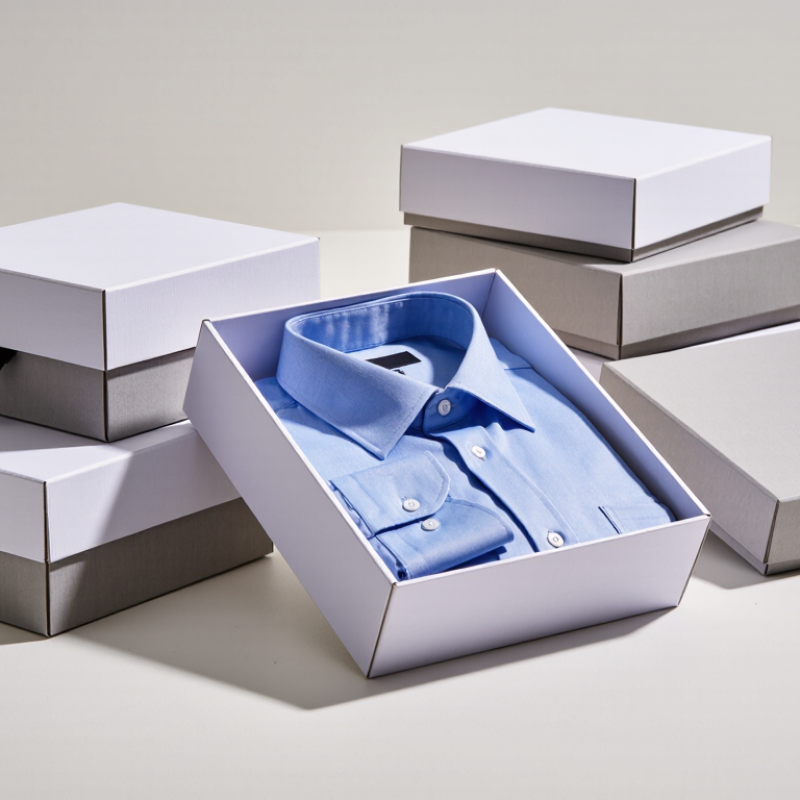
China Best Shirt Gift Boxes Wholesale Supplier in China

What Are Shirt Gift Boxes and How Are They Used?

What Are Shirt Gift Boxes and How Are They Used?

A shirt gift box is a paperboard container designed to present and protect a folded shirt. Unlike a shipping carton, it creates a neat reveal with tissue paper, a collar insert, or a simple paper band. Retailers and gift buyers use these boxes for holidays, employee gifts, product launches, and online orders. A close fit reduces movement, but too much pressure can crease the collar.

Packaging also shapes how buyers judge a gift. McKinsey’s 2023 US consumer packaging research found that more than 60% of surveyed consumers were willing to pay more for sustainable packaging. Paperboard can be a practical choice, though coatings, magnets, and mixed materials may complicate recycling. Check local recycling guidance before making disposal claims. The data is useful, but it does not mean every buyer will choose packaging for sustainability alone.

Tips: Measure the folded shirt, including its collar, before selecting a box. Leave slight clearance for tissue, not enough room for the shirt to slide. Test the closure with a sample; stiff lids can damage neatly folded cuffs. Plain paper inserts often work well, even if they look less polished.

Common Types and Design Features of Shirt Gift Boxes

Shirt gift boxes commonly use a lift-off lid, a hinged book-style cover, or a drawer structure. A lift-off box suits folded shirts and simple presentation. A hinged box opens like a book, making tissue paper and a message card easy to arrange. Drawer boxes add a ribbon pull, though their extra components can increase packing time. Smithers’ report The Future of Global Packaging to 2028 projects the worldwide packaging market will exceed US$1.2 trillion by 2028. That broad growth makes practical, distinctive packaging more important, but it does not mean every shirt needs a rigid box.

Design should protect the garment without making the package awkward to handle. A snug insert can keep a folded collar in place; a shallow box may let it flatten during transit. Common materials include paperboard for lighter boxes and rigid board for a firmer, keepsake feel. Matte paper, restrained foil accents, and a fabric-textured finish can add detail without crowding the design. Small touches matter. A ribbon slot should align cleanly, and the lid should close without forcing the corners. Recycled content can support a lower-material choice, but its appearance and stiffness vary by grade. That trade-off is easy to underestimate. Suppliers should test the folded shirt, insert, and finished box together before approving production.

China Best Shirt Gift Boxes Wholesale Supplier in China - Common Types and Design Features of Shirt Gift Boxes

Common box formats and design considerations for folded shirts. Dimensions are indicative internal measurements; the best fit depends on the folded garment, inserts, and packaging requirements.

Box Type Typical Internal Size Common Materials Design and Closure Features Suitable Uses Wholesale Considerations
Rigid Two-Piece Box About 35 × 27 × 6 cm Rigid paperboard wrapped with coated, textured, or specialty paper Separate lid and base; clean edges; optional ribbon pull, paper insert, or tissue paper Dress shirts, premium gifting, and presentation-focused retail packaging Offers a firm structure and polished presentation; requires more storage space than flat-packed cartons.
Magnetic-Closure Rigid Box About 35 × 27 × 6 cm Rigid paperboard with a printed or laminated paper wrap Hinged lid with concealed magnets; can include a ribbon, printed lining, or fitted insert Gift sets, special occasions, and reusable presentation packaging Allow for magnet placement and lid alignment in the design; shipped assembled unless a collapsible format is specified.
Folding Carton with Tuck Flaps About 34 × 26 × 5 cm Folding boxboard or paperboard; optional printed or laminated finish Flat-packed construction with tuck-in top or end flaps; lightweight and easy to assemble Retail shirts, promotional gifts, and larger production runs Flat delivery can reduce storage and freight volume; board grade should suit the garment weight and distribution method.
Drawer-Style Box About 35 × 27 × 6 cm Paperboard sleeve with a rigid or folding inner tray Sliding tray opened with a ribbon or thumb notch; optional tissue wrap or card insert Gift packaging where a distinctive opening experience is desired Check tray clearance and sleeve fit with the folded shirt and any inserts to ensure smooth opening.
Corrugated Mailer Box About 35 × 27 × 7 cm Corrugated board, commonly with a printed outer surface or paper wrap One-piece mailer construction with locking flaps; can include tissue, an insert, or a printed interior E-commerce orders and gift shipments requiring added transit protection Choose board strength based on parcel handling and shipping conditions; verify packed dimensions for carrier requirements.
Kraft Paperboard Box About 34 × 26 × 5 cm Kraft paperboard or kraft-faced corrugated board Natural paper appearance; often paired with a paper belly band, label, or simple one-colour printing Casual gifting, apparel packaging, and designs with a natural aesthetic Uncoated surfaces can have a more tactile finish; print colour and contrast may vary with the kraft paper tone.

Materials and Manufacturing Processes for Shirt Gift Boxes

A shirt gift box starts with the right board. Folding carton board suits lightweight shirts and creates crisp edges, while corrugated board offers more cushioning for shipping. Recycled paperboard can reduce demand for virgin fiber, though its shade and surface may vary between batches. The box should fit a folded shirt without pressing the collar or leaving too much room. Small details matter.

Manufacturing usually begins with a size layout and a sample cut from board. The sheet is printed, then die-cut and scored so panels fold cleanly. A matte coating can resist light scuffs; glossy lamination adds shine but may complicate recycling. Not every finish lasts. Test color, fold lines, and adhesive on the actual material before approving a production run.

Inserts made from paperboard can hold a shirt in place without adding plastic. For bulk orders, check board thickness, print alignment, corner strength, and lid fit across several boxes, not just one sample. A practical quality check includes packing a real shirt and handling the box as it would be shipped. Small flaws happen, especially with complex folds, so clear tolerances and repeatable checks help keep batches consistent.

Material thickness for shirt gift boxes

Rigid boxes commonly use thicker greyboard for a sturdy, premium feel, while folding carton and corrugated board offer lighter alternatives. Thickness ranges are approximate; actual specifications vary by supplier and construction.

How to Evaluate Wholesale Suppliers in China

When evaluating a wholesale supplier for shirt gift boxes in China, look beyond a polished catalogue. Ask for a physical sample made with the same board, finish, and inserts proposed for your order. Check whether the lid closes evenly, corners stay firm, and a folded shirt fits without pressure. Details matter. Request a written specification covering box dimensions, paper weight, printing, ribbon, minimum order quantity, and production time. Ask who handles quality checks and whether you can review photos or inspection records before shipment. Clear answers are useful; vague promises are not.

Tips: Compare at least two samples under the same conditions. Keep notes on finish, fit, and packaging. Confirm whether sample and shipping fees are refundable or separate.

A supplier’s communication during sampling can reveal how carefully they manage production. Send one drawing with exact measurements, then check whether the sample matches it. If something is unclear, such as colour tolerance or how boxes are packed, ask before approving the order. A low quote may exclude inserts, protective cartons, or setup costs, so compare itemized offers rather than headline prices. Consider a small trial order before scaling up. It may still have flaws; record them and agree on acceptable standards in writing.

Ordering, Customization, and Quality Control for Bulk Purchases

China Best Shirt Gift Boxes Wholesale Supplier in China

Bulk orders work best when box specifications are clear before production begins. Share the folded shirt dimensions, preferred box style, order quantity, and delivery date with the supplier. A snug fit helps prevent fabric from shifting, while a little extra room makes packing easier. Request a physical sample to check the lid, board stiffness, and color under natural light. Screen colors can look different in a workshop.

Tips: Send a folded shirt, not just measurements. Confirm the box’s inner dimensions, insert material, logo position, and printing method in writing. Keep one approved sample for comparison. Small details matter.

For quality control, agree on inspection points before the bulk run: box dimensions, corners, surface marks, print alignment, and lid fit. Ask for production photos and a pre-shipment inspection report. Randomly opening cartons can reveal issues that a single sample misses. Still, checks are not perfect; color variation may appear across separate print batches. Allow time for corrections, and avoid scheduling delivery too close to a launch date. A simple checklist can make communication clearer for both sides.

Shopping Cart
Scroll to Top

Search for...

The Duravant family of operating companies serve the food processing, packaging and material handling segments.