
What Is the Best Solar Water Purification System in 2026?

Choosing the best Solar Water Purification system in 2026 depends on the water, the setting, and how much clean water you need each day. A sunny campsite has different needs from a household facing cloudy weather or an unreliable power supply. No single winner fits every situation.

This guide compares the main approaches, including solar thermal distillation, solar-powered ultraviolet treatment, and systems that pair solar energy with filtration. Their strengths are not interchangeable. A clear container left in sunlight may reduce certain biological risks under specific conditions, but it does not remove every chemical or heavy metal. That distinction matters. A system’s claims should match independent test results and the contaminants in your source water.

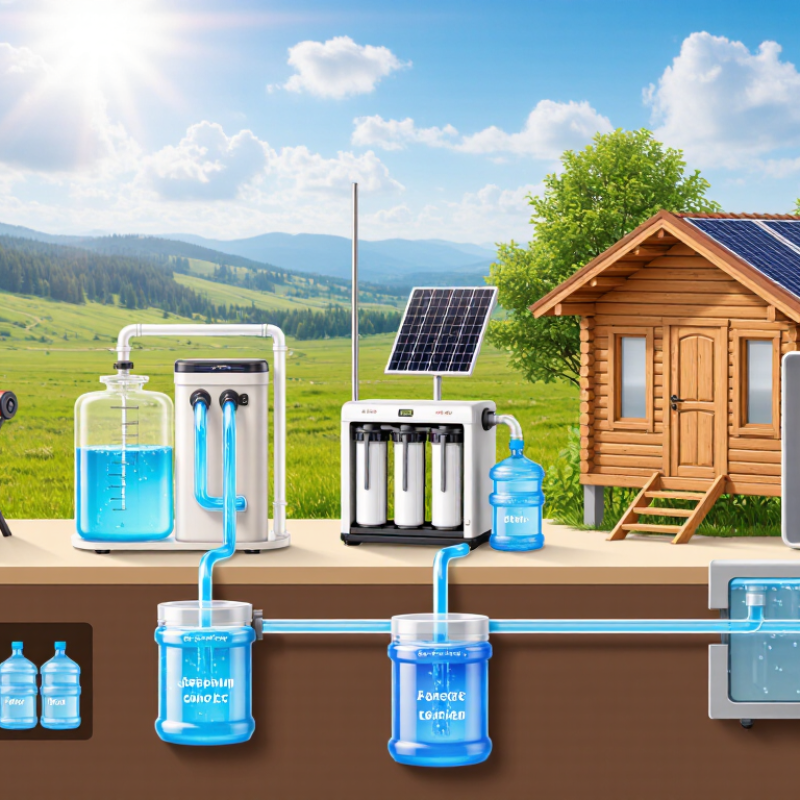
We will look at practical details: output per day, treatment time, performance in weak sunlight, storage, cleaning, replacement parts, and operating costs. Picture a small unit beside a cabin, with a collection jug filling slowly on a hazy afternoon. Those details can matter more than an impressive headline capacity. I would be cautious about any product promising effortless purification in every climate; real conditions are messier. Buyers should also check whether the manufacturer explains testing methods and provides clear maintenance guidance. The best choice is the one suited to your water and routine, not simply the one with the most features.
What Is the Best Solar Water Purification System in 2026?

What Solar Water Purification Systems Are and How They Work

What Is the Best Solar Water Purification System in 2026?
What Solar Water Purification Systems Are and How They Work

A solar water purification system uses sunlight to help make water safer to drink. Some systems heat water in a solar still, where evaporation separates water from many salts and particles. The vapor condenses on a cool surface and drips into a clean container. Other systems use solar panels to power filters or ultraviolet treatment. These approaches work differently, so “best” depends on the water source and the contaminants present.

In a solar still, sunlight warms a shallow layer of water beneath a transparent cover. Droplets form on the cover and run into a collection channel. Solar-powered units may push water through sediment and carbon filters before treatment. UV systems can deactivate many microbes, but cloudy water can reduce effectiveness. No single method removes every contaminant. Some volatile chemicals may pass through distillation, too. Details matter. I would test the source water rather than assume a device is suitable.

Tips: Keep untreated and purified water containers separate. Clean surfaces regularly, and follow the system’s instructions for sunlight exposure and filter replacement. If the water looks cloudy, prefilter it when the system allows. A simple setup can still disappoint on overcast days; plan a backup method and verify water safety when possible.


Key Technologies Used in Solar Water Purification

Solar water purification systems use sunlight in different ways, and the best choice depends on the water source. Solar stills heat contaminated water, then condense vapor on a cooler surface. They can remove salts and many microbes, but output is slow, and cloudy weather reduces production. A black basin, clear cover, and clean collection channel make the process easy to inspect. It is not magic. Leaks or dirty surfaces can recontaminate treated water.

Photovoltaic panels can power pumps, ultraviolet disinfection, or reverse-osmosis membranes. UV treatment inactivates many pathogens, but it does not remove dissolved salts, metals, or chemical pollutants. Reverse osmosis can reduce salts and several contaminants, yet it needs pressure, prefiltration, and membrane care. Sediment filters help protect later stages; activated carbon can improve taste and reduce some organic compounds. Small details matter. Cloudy feedwater can clog filters, while a depleted battery may interrupt treatment. For dependable use, match each technology to tested source-water risks, measure output, and store treated water in a sealed, food-safe container. Field results can vary; even a sensible setup may need adjustment.

What Is the Best Solar Water Purification System in 2026? - Key Technologies Used in Solar Water Purification

Technology How It Works What It Can Treat Main Advantages Key Limitations Best-Fit Use
Solar distillation (solar still) Sunlight heats water; vapor condenses on a cooler surface and is collected as distilled water. Removes salts, suspended solids, and most non-volatile contaminants. Heat also inactivates microorganisms. Simple operation; no grid electricity; can treat saline or brackish feed water. Usually produces modest amounts—often around 2–5 L/m² per day in favorable conditions, with output varying by design and weather. Some volatile contaminants may carry over. Small daily needs in sunny locations where simplicity matters more than high output.
Photovoltaic-powered reverse osmosis (PV-RO) Solar panels power a pump that pushes water through a semipermeable membrane; pretreatment and energy storage or water storage may be used. Reduces dissolved salts and many other dissolved substances; the membrane also removes many microorganisms. Can produce substantially more water than a passive still; useful for brackish water and seawater when correctly designed. Requires pressure, maintenance, and management of concentrated brine. Feed-water quality, membrane condition, and system design affect performance. Higher-volume desalination where trained maintenance and responsible brine disposal are available.
Solar thermal pasteurization A solar collector heats water to a time-and-temperature combination sufficient to inactivate disease-causing microorganisms. Targets pathogens, including bacteria, viruses, and protozoa, when the required treatment conditions are reached. Can be relatively simple and does not require a membrane or chemical disinfectant. Does not remove salts, metals, pesticides, or other chemical contaminants. Heating time and achieved temperature depend on sunlight and system design. Microbiologically unsafe water with no significant chemical contamination.
Solar-powered UV-C disinfection Photovoltaic electricity powers a UV-C lamp or LED; the water must receive an adequate UV dose as it passes through the treatment chamber. Inactivates many bacteria, viruses, and protozoa when the unit is properly sized and operated. Fast disinfection and no disinfectant taste or chemical residual. Does not remove dissolved chemicals, salts, or particles. Turbid water needs suitable pretreatment; reliable power and lamp or LED maintenance are important. Clear, filtered water where the main concern is microbial contamination.
Solar water disinfection (SODIS) Clear water in transparent containers is exposed to sunlight; UV-A radiation and heat contribute to microbial inactivation. Can reduce microbial risks in suitable water under recommended exposure conditions. Low equipment needs and no electricity or added chemicals. Not effective for removing chemical contamination or salinity. Cloud, water clarity, container condition, and exposure time affect results. Emergency or household treatment of small amounts of clear water when other treatment is unavailable.
Solar-powered ultrafiltration Solar electricity powers a pump that moves water through a membrane with very small pores. Reduces suspended particles, bacteria, and protozoa; virus removal depends on the membrane and system validation. Useful for clarifying water and reducing many microbial contaminants without desalination equipment. Does not remove dissolved salts or most small dissolved chemicals. Membranes need cleaning and may clog. Surface water treatment when salinity and dissolved chemical contamination are not the primary concerns.

Selection note: There is no single best system for every water source. Test the source water and match the treatment to the specific microbial and chemical risks. Solar treatment alone should not be assumed to make chemically contaminated water safe.

Benefits and Limitations of Solar-Powered Treatment

In 2026, the best solar water purification system depends on the water source and daily demand. A photovoltaic-powered unit can run filtration and ultraviolet treatment when sunlight or stored battery power is available. It may suit a household needing steady output, but UV treatment does not remove salt, metals, or many dissolved chemicals. Cloudy days can also reduce production unless the system includes battery storage.

Solar stills use heat to evaporate water and collect the condensed vapor. They can reduce many salts and microbes, but output is often slow, especially in cool or overcast weather. A small basin may produce only a modest amount on a cloudy day. That matters. Pretreatment can help with muddy water, while safe storage prevents treated water from being contaminated again. No system works equally well everywhere. Before choosing, check independent performance data for the specific contaminants present, then consider replacement parts, cleaning, and realistic sunlight. It is tempting to focus on a system’s peak output; in practice, the disappointing detail may be how little water it makes during a week of poor weather.

How to Evaluate Solar Water Purification Systems in 2026

Choosing a solar water purification system in 2026 starts with the water source, not the panel size. The WHO/UNICEF Joint Monitoring Programme estimated that 2.2 billion people lacked safely managed drinking water in 2022. That gap matters. Test source water for microbes, salts, and locally relevant chemicals before comparing systems; UV treatment, filtration, and solar distillation do not remove the same contaminants.

Check independently verified performance against the contaminants you actually face. WHO’s household water-treatment guidance assesses technologies by microbiological performance, but a microbial test alone cannot confirm removal of arsenic or dissolved salts. Ask for treated-water test results, daily output under weak sunlight, and the time required to replace filters or clean collection surfaces. Numbers are not enough. A system producing several liters at noon may fall short for a household after cloudy days.

Compare the full cost, including storage tanks, replacement parts, and backup power. IRENA’s Renewable Power Generation Costs in 2023 reported a 12% decline in global weighted-average utility-scale solar PV costs from 2022, to $0.044 per kilowatt-hour. That is useful context, not a promise of low household costs: small systems and treatment equipment have different economics. I would still treat advertised output cautiously unless the test conditions match your climate and water quality. A clear glass container helps inspect the water, but appearance cannot prove safety.

Choosing the Best System for Different Water Needs

What Is the Best Solar Water Purification System in 2026?

Choosing the Best System for Different Water Needs

The best system depends on your water source, daily volume, and access to sunlight. For a weekend hike, a compact, solar-powered purifier may suit small batches. A household with steady sunlight may need a larger photovoltaic unit and covered storage containers. Solar stills can produce clean water from some sources, but output is often slow. A cloudy afternoon can change the plan.

Check what is in the water before choosing a treatment method. Filters can reduce sediment and some microbes, while other contaminants may need different treatment. Solar disinfection works only under specific conditions and does not remove chemical pollutants. If the source may contain fuel, pesticides, or industrial waste, do not assume sunlight makes it safe. Testing matters. It is easy to focus on advertised capacity and overlook cloudy days, maintenance, and the water you actually need. That trade-off deserves a second look.

Tips: Match the system to a realistic daily volume, then leave extra capacity for low-light days. Keep treated water in clean, sealed containers, and follow the maker’s instructions for replacement parts and cleaning. If the water’s safety is uncertain, use a verified treatment method suited to the suspected contaminants, or seek local public-health guidance.

Shopping Cart
Scroll to Top

Search for...

The Duravant family of operating companies serve the food processing, packaging and material handling segments.