Why is Bulk Activated Carbon Essential for Purification Needs?
Bulk Activated Carbon plays a critical role in various purification processes. Its unique porous structure allows for effective adsorption of impurities. Many industries rely on it for water treatment, air purification, and odor control.
The effectiveness of Bulk Activated Carbon stems from its ability to trap contaminants. As a result, it helps improve the quality of air and water. This is crucial for maintaining health standards in both residential and industrial settings. However, not all activated carbon products are created equal. Selecting the right type is essential for optimal results.
Despite its benefits, there is room for improvement in understanding its applications. It’s important to evaluate the sources and quality of Bulk Activated Carbon used. Using inferior products can lead to unsatisfactory purification outcomes. Awareness of these factors can enhance results in purification efforts. Testing and adjusting can optimize performance further.
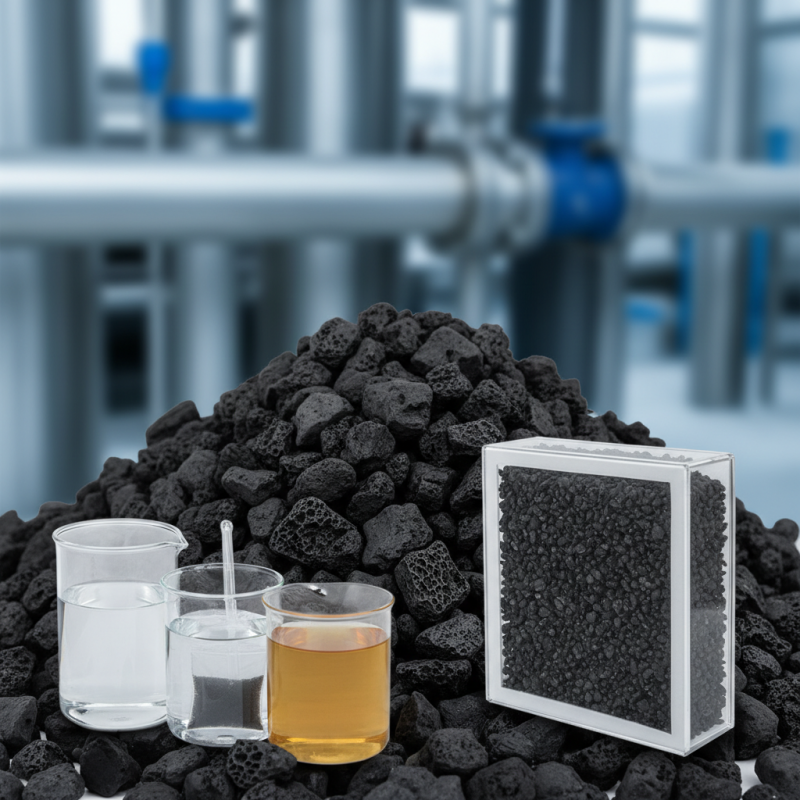
The Importance of Bulk Activated Carbon in the Water Treatment Industry
Bulk activated carbon plays a vital role in the water treatment industry. Its unique porous structure allows it to absorb a wide range of contaminants. This makes it indispensable for various purification processes. When treating water, pollutants such as chlorine, heavy metals, and organic compounds can significantly affect water quality. Activated carbon effectively removes these substances, improving both taste and safety.
Using bulk activated carbon can be a complex process. It requires careful consideration of the specific contaminants present in the water supply. Not all activated carbon is created equal. The source material and activation method can lead to varying absorption capacities. Water treatment facilities must test and choose the right type for their needs. Over time, the effectiveness of the carbon may decline, necessitating replacement. This is a common challenge in maintaining consistent water quality.
While activated carbon is a powerful tool, it isn't foolproof. Certain contaminants may not be effectively removed, requiring additional treatment methods. Continual monitoring and improvement are essential. The industry must adapt to emerging pollutants and technologies. As water quality standards evolve, bulk activated carbon's role will need constant reevaluation. It's a reminder that even the most effective solutions need ongoing assessment.
Key Properties of Activated Carbon that Enhance Purification Processes
Activated carbon is a key material in filtration systems due to its exceptional properties. One significant feature is its large surface area, which can amount to 1,000 square meters per gram. This extensive area allows it to adsorb a wide array of contaminants, making it indispensable for many purification processes. Studies indicate that activated carbon can effectively remove 99% of chlorine and 90% of volatile organic compounds (VOCs) from water, demonstrating its efficiency in filtering harmful substances.
Another critical property is its porosity. The tiny pores within activated carbon trap impurities, from industrial waste to odors. This characteristic is vital for applications in air and water treatment. Recent industry reports highlight its ability to reduce pollutants in drinking water, particularly in areas with heavy industrial activity. However, not all activated carbon is created equal; variations in manufacturing methods can lead to inconsistencies in adsorption capabilities.
Real-world applications show that while activated carbon excels in many roles, its effectiveness depends on proper activation methods. It requires careful monitoring to ensure optimal performance. Overall, while activated carbon is generally reliable, understanding its limitations is crucial for achieving the desired purification outcomes.
Why is Bulk Activated Carbon Essential for Purification Needs?
| Property | Description | Application |
| High Surface Area | Provides ample adsorption sites for contaminants. | Water treatment, air purification. |
| Porosity | Facilitates the trapping of a variety of particles and organic compounds. | Chemical processing, food industry. |
| Chemical Reactivity | Can interact with various chemical compounds to enhance purification. | Wastewater treatment, air treatment. |
| Regeneration Capability | Can be reactivated for multiple uses, making it cost-effective. | Industrial applications, water filtration systems. |
| Versatility | Can be tailored for specific applications through different activation processes. | Air, water, and gas purification across industries. |
Market Trends: Growth of Bulk Activated Carbon Demand in Environmental Applications
The demand for bulk activated carbon is rising rapidly in environmental applications. Industries increasingly rely on this versatile material for water and air purification. Its effectiveness in trapping pollutants makes it essential for sustainable practices. As regulations tighten globally, companies are adapting to meet these standards. Firms are investing in bulk activated carbon to enhance their environmental footprint.
Tips: Always check the source of the activated carbon. Quality can vary widely. Look for certifications that denote reliable manufacturing processes.
The growing market reflects a broader awareness of environmental issues. Consumers seek safer products that contribute to public health. This shift drives innovation in activated carbon technologies. Many manufacturers are developing more efficient methods to produce bulk materials. However, not all solutions are perfect. Some still leave room for improvement in efficacy and cost-efficiency.
Tips: Engage with suppliers who understand your specific needs. Custom solutions may provide better results than standard options.
Applications of Bulk Activated Carbon in Air and Water Filtration Systems
Bulk activated carbon plays a pivotal role in air and water filtration systems. Its highly porous structure allows it to trap contaminants effectively. When air passes through activated carbon, various pollutants, odors, and harmful gases adhere to its surface. This makes it an excellent choice for improving indoor air quality.
In water filtration, bulk activated carbon removes a range of impurities. It can eliminate chlorine, heavy metals, and organic compounds. In many municipal water systems, activated carbon filters are crucial. They enhance taste and safety. However, not all activated carbon is equally effective. The source and activation method can influence its purifying ability. Users must ensure they choose the right type for their specific needs.
Despite its widespread use, challenges remain. The carbon can become saturated over time, diminishing its effectiveness. Regular replacement is vital to maintain optimal performance. Ensuring proper installation and maintenance can be overlooked. This can lead to less effective filtration. Awareness of these factors is essential for achieving the desired purification outcomes.
Applications of Bulk Activated Carbon in Air and Water Filtration Systems
Comparative Analysis: Activated Carbon vs. Other Purification Methods
Activated carbon is widely recognized for its effectiveness in purification. It excels in absorbing impurities from air and water. This capability sets it apart from other methods like chemical filtration or ion exchange. Traditional methods may struggle with certain contaminants, while activated carbon is versatile across various applications.
However, activated carbon isn't without its limitations. Its adsorption capacity can vary based on the specific type of impurity. For instance, polar compounds may not be captured as effectively. In contrast, reverse osmosis provides a different approach, filtering out particles through a membrane. This method can effectively remove dissolved substances, making it suitable for specific needs. Yet, it may produce waste in the process.
Comparing activated carbon to these alternatives shows the importance of context. Each purification method has unique strengths and weaknesses. Understanding these details helps users make informed choices. For instance, a combination of methods might achieve optimal results in complex scenarios. Ultimately, the choice depends on specific purification needs and the types of contaminants present.