How to Choose the Best Led Garden Light for Your Needs?
Choosing the right Led Garden Light can significantly enhance your outdoor space. With so many options available, it may seem daunting. However, understanding your needs is essential. Quality lighting can create ambiance, improve safety, and showcase beautiful landscaping.
When selecting led garden lights, consider the brightness and color temperature. These factors affect mood and visibility. Look for energy-efficient models to save on electricity bills. Solar-powered options are also popular due to their eco-friendliness. However, they may not always perform well on cloudy days.
Take time to evaluate different styles and designs. Some garden lights serve practical purposes, while others focus on aesthetics. Consider how each option aligns with your garden theme. Reflect on your preferences and the overall design. Ultimately, the right Led Garden Light can transform your garden into a stunning outdoor haven.
Factors to Consider When Selecting LED Garden Lights
When selecting LED garden lights, several factors warrant careful consideration. Start by assessing the luminosity of the lights. Measured in lumens, this indicates how bright the light will be. For pathways, consider lower lumens, around 100-200. For larger areas, higher lumens may be necessary. Choose a light that provides adequate illumination without being overwhelming.
Another factor to consider is the color temperature. Most garden lights fall within a range from warm yellow to cool white. Warmer lights tend to create a cozy atmosphere. They are ideal for gardens and outdoor seating areas. Cool white lights, however, offer a more modern look and are often used for security purposes. Think about the ambiance you want to create.
Finally, consider the durability of the lights. Weather-resistance is crucial. Look for lights rated for outdoor use. Check the IP rating, which indicates how well the fixture can withstand dust and moisture. While aesthetic appeal is essential, practicality often trumps design. Reflections on maintenance and long-term use can lead to better choices.
Types of LED Garden Lights and Their Applications
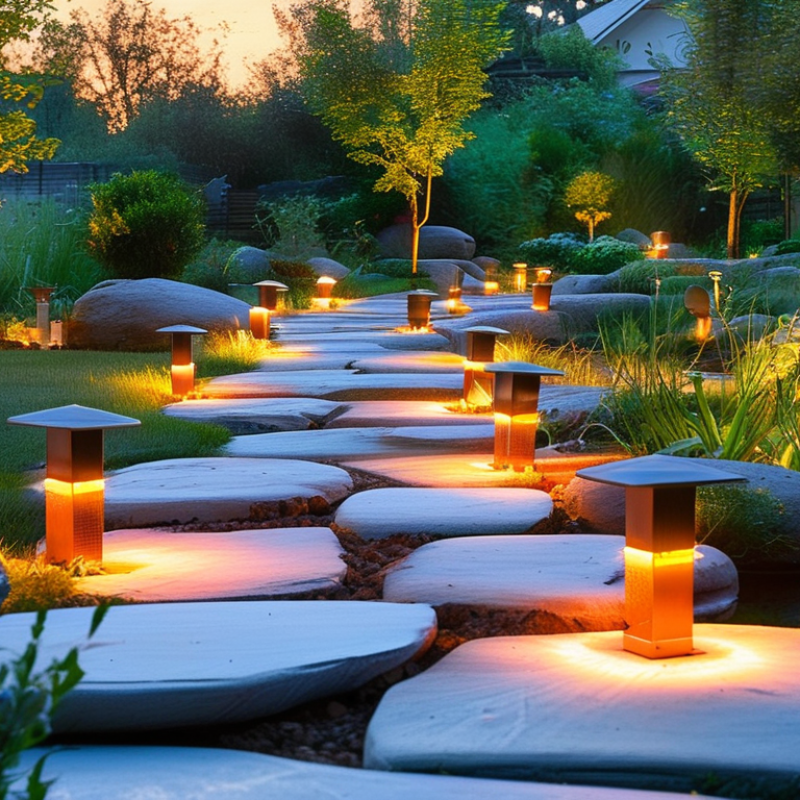
When selecting LED garden lights, it’s essential to consider the types available and their uses. Path lights are popular for illuminating walkways, ensuring safety while enhancing the garden's aesthetics. They come in various styles, from modern to classic, allowing customization based on your landscape design.
Spotlights are ideal for highlighting specific features, like trees or sculptures. They can create a dramatic effect, especially at night, making your garden a focal point. However, overusing spotlights can lead to a cluttered look. Consider balance and moderation.
Flood lights provide widespread illumination, useful for larger areas. They are suitable for security purposes as well. However, without proper adjustment, they can cause light pollution or disturb neighbors. It is crucial to find the right angle and brightness to avoid such issues. Proper placement and selection based on your garden's layout are vital for achieving the best outcome.
Energy Efficiency and Brightness Considerations
When selecting LED garden lights, energy efficiency and brightness are crucial factors to consider. The right balance ensures you illuminate your garden effectively without consuming excess energy. LEDs are known for their low power consumption, making them an eco-friendly choice. A well-designed LED garden light can offer the same brightness as traditional bulbs while using less than half the energy.
Understanding lumens is key. Lumens measure brightness, and your needs will depend on your garden size and layout. For pathways, around 100 to 200 lumens are often sufficient. However, if you want to highlight specific features, such as sculptures or plants, look for lights with 300 lumens or more. It’s essential to evaluate how dark your garden is at night. Areas that are particularly dim will require brighter lighting. Keep in mind, over-lighting can lead to unwanted glare and detract from the garden’s natural beauty.
It's wise to reflect on how different lights may affect the ambiance. Not every garden needs floodlights. Some spaces thrive with softer illumination. Choosing warmer color temperatures can create a cozy atmosphere. However, if you prioritize safety, cooler tones can enhance visibility. Ultimately, finding the perfect lighting involves balancing energy efficiency with the desired aesthetic and functionality. Each garden presents unique challenges and opportunities in lighting design.
Energy Efficiency and Brightness of LED Garden Lights
Installation and Maintenance Tips for LED Garden Lights
When installing LED garden lights, consider the layout carefully. Position lights to highlight pathways and plants. Adequate spacing ensures even illumination. Avoid placing lights too close together; this can create shadows instead of enhancing beauty.
**Tips**: Use a mix of spotlights and floodlights. Spotlights focus on specific areas, while floodlights provide general illumination. This combination creates depth in your garden lighting.
Maintenance is key to longevity. Regularly check connections and clean fixtures to prevent dirt buildup. Dust and moisture can affect performance. If lights flicker, inspect wiring for signs of wear.
**Tips**: Keep the area around lights clear. Overgrown plants can block light and create hazards. A little attention can ensure your garden remains a stunning view at night.
How to Choose the Best LED Garden Light for Your Needs?
| Light Type | Brightness (Lumens) | Color Temperature (Kelvin) | Battery Life (Hours) | Installation Type | Maintenance Required |
| Spotlight | 600 | 3000K | 24 | Hardwired | Low |
| Flood Light | 1000 | 5000K | 16 | Plug-in | Medium |
| Pathway Light | 300 | 4000K | 10 | Solar Powered | None |
| Wall Light | 400 | 3000K | 12 | Hardwired | Low |
| String Light | 50 | 2700K | 8 | Plug-in | Medium |
Budgeting for Your LED Garden Lighting Project
Budgeting for your LED garden lighting project requires careful planning. Start by determining how much you can afford to spend. Consider the total area you want to illuminate. Larger spaces may demand more fixtures, thus increasing costs. Also, think about the type of garden lights you prefer. Solar options might have a higher initial cost but can save money on electricity.
Tips: Create a spreadsheet to track costs. Include lights, installation, and maintenance. Allocate funds for unexpected expenses like repairs.
Another important aspect is understanding long-term savings. Quality LED lights might be pricier upfront. However, they offer energy efficiency and durability. Over time, these savings can outweigh initial investments.
Tips: Compare the energy consumption of different lights. Look for models with longer lifespans. They often reduce replacement and energy costs.
It's crucial to reflect on your choices as well. Are you prioritizing aesthetics over functionality? Balancing looks and performance can be challenging. Make sure your selections fit both your vision and budget needs.