How to Choose 8K Stainless Steel Plate in 2026?
Choosing an 8k Stainless Steel Plate in 2026 is not simply a matter of selecting the brightest sheet. The finish, base grade, thickness, and inspection method all affect performance and cost. World Stainless reported roughly 62 million tonnes of global stainless steel production in 2024, underscoring the scale and variety of today’s supply market. Its Stainless Steel in Figures 2025 report is useful context, but production totals cannot verify an individual plate’s quality. Ask suppliers for traceable mill certificates and clear product specifications.
“8K” generally describes a highly reflective, mirror-like surface, not a complete material grade. Confirm whether the plate is 304, 316, or another grade, then match that choice to its environment. Coastal salt spray, cleaning chemicals, and frequent handling can change what “suitable” means. Look closely at the surface under consistent lighting. Fine scratches may hide beneath protective film. Request agreed inspection criteria, sample images, and measurements where relevant, including thickness and surface roughness. ASTM A480/A480M covers general requirements for flat-rolled stainless products, but buyers should confirm which requirements apply to their order. That detail is easy to miss. A polished sheet can still be the wrong choice if its grade, tolerances, or packaging do not fit the job. This guide explains what to check before requesting a quote—and where supplier claims deserve a second look.
What Defines an 8K Stainless Steel Plate?
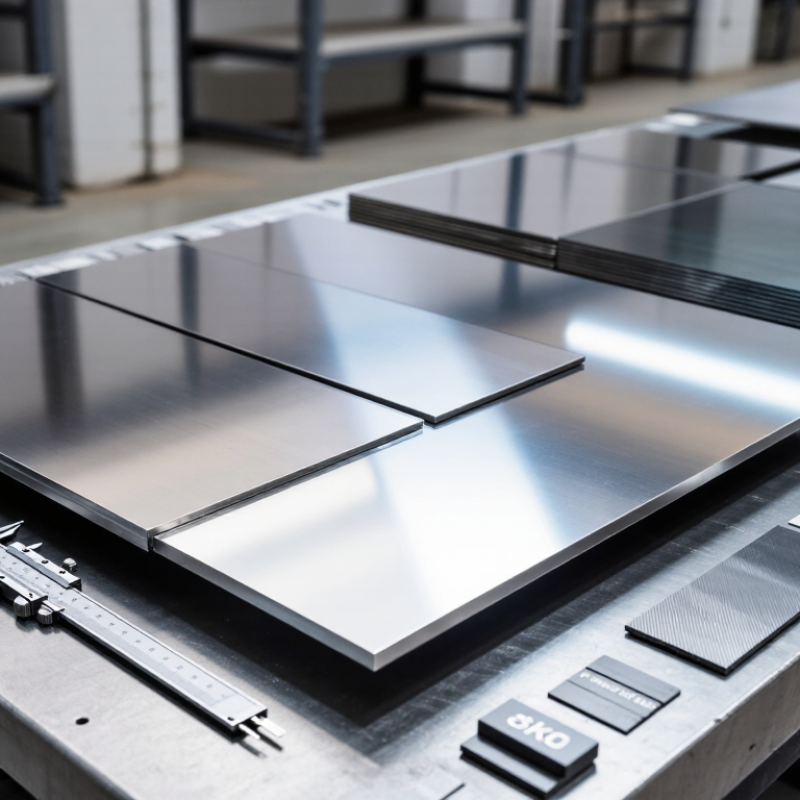
An 8K stainless steel plate is generally understood as a highly polished, mirror-like surface. The “8K” label describes a finish, not the steel’s grade or thickness. In practice, suppliers may use the term differently, so the number alone does not guarantee identical reflectivity. A good surface shows clear reflections with few visible polishing lines, pits, or cloudy patches. Check it under direct light and at an angle. Small defects can disappear in a dim warehouse, then stand out beside a bright window.
The finish is created through successive grinding and polishing stages, with finer abrasives reducing visible scratches. The steel underneath still matters: its grade, flatness, and surface condition affect the final result. Ask for the material grade and inspect a sample from the same production batch when consistency matters. A clean cloth can reveal drag marks; fingerprints show quickly on mirror finishes. That is normal. I would not judge a plate from a photograph alone, because lighting and camera exposure can make an uneven surface look flawless. Also consider handling and installation: protective film helps, but careless removal may leave residue or fine marks. “8K” sounds exact. The finish may not be.
Which Stainless Steel Grade Fits Your Application?
An 8K stainless steel plate offers a mirror-like surface, but the finish does not decide whether it will resist corrosion. Choose the grade for the environment first. The International Stainless Steel Forum reported 58.4 million metric tonnes of global stainless steel production in 2023, reflecting the wide range of grades and applications. For indoor panels, kitchen equipment, and general fabrication, 304 is a common choice. In coastal areas or near pool chemicals, 316 is often better suited because its molybdenum content improves resistance to pitting. For dry indoor trim, 430 can be a more economical option, though it is less suitable for chloride exposure. Check the edges.
Before ordering, confirm the grade, thickness, and surface condition on the material certificate. Ask how the plate will be cut and handled: scratches, heat tint, or damaged protective film can spoil a reflective surface. A bright 8K finish may also show fingerprints and fine marks more clearly than expected. That detail is easy to overlook.
Tip: Match the grade to the actual cleaning chemicals and exposure conditions, not just the room name. If service conditions are uncertain, consult a qualified materials specialist and test a sample before specifying the full order.
How to Choose 8K Stainless Steel Plate in 2026?
Which Stainless Steel Grade Fits Your Application?
How to read this chart: Bars show approximate midpoints of specified chromium and nickel composition ranges, in weight percent. Chemistry is one factor in grade selection; it does not by itself determine corrosion performance or achievable 8K finish quality.
Application guide: Grade 304 is a common general-purpose choice for indoor and many mildly corrosive environments. Grade 316L contains molybdenum (typically 2–3 wt%), which improves resistance to chloride-related corrosion compared with 304, making it a frequent choice for marine or chemical-service applications. Grade 430 is a nickel-lean ferritic option for less demanding environments. Grade 201 uses less nickel than 304; confirm its suitability for the specific service conditions. An 8K finish is a surface finish, so also check the plate’s starting surface, finishing process, and required corrosion resistance.
Composition ranges shown for reference: 201—Cr 16–18%, Ni 3.5–5.5%; 304—Cr 18–20%, Ni 8–10.5%; 316L—Cr 16–18%, Ni 10–14%; 430—Cr 16–18%, Ni up to 0.75%. Verify the applicable product specification and material certificate when ordering.
Which Plate Dimensions and Tolerances Should You Specify?
For 8K stainless steel plate, specify dimensions as finished dimensions, not merely nominal stock size. State thickness, width, length, and permitted variation in millimetres. ASTM A480/A480M provides general dimensional tolerances for stainless flat-rolled products; identify the applicable edition and product form.
8K describes a highly reflective surface, not a dimensional tolerance class. Keep that distinction clear.
Choose thickness and flatness around the fabrication method. A large decorative wall panel may need tighter flatness than a small trim piece. Specify whether measurements apply before or after polishing, and define edge condition, squareness, and protective-film requirements.
Ask for a mill test certificate and inspection records. Useful detail.
World Stainless Association reported 58.4 million tonnes of stainless steel production in 2023, showing the scale of a supply chain where product forms and finishing routes vary. That figure is context, not a guarantee of uniform tolerances.
For critical installations, request a sample and measure it at several points; one reading can miss local variation.
Some specifications still leave flatness vague. That can cause trouble.
How to Verify Certification, Processing, and Supplier Reliability
How to Choose 8K Stainless Steel Plate in 2026?
An 8K mirror finish can make a plate look flawless under showroom lights. It can also reveal fine scratches, waviness, and uneven reflections in daylight. Check the material certificate against the order: confirm grade, thickness, applicable standard, and heat number. Match that heat number to the plate marking and delivery documents. If a supplier cannot explain a missing detail clearly, pause. Small details matter.
Processing needs its own checks. Ask how the plate is polished, protected, cut, and packed. Review a sample under angled light, then inspect its edges and protective film. A clean sample helps, but it cannot prove every production sheet will match. One limitation is easy to miss: lighting and film can hide surface differences. Ask for inspection records and agreed tolerances before ordering.
Supplier reliability shows in more than a low quote. Look for consistent document control, realistic lead times, prompt answers, and clear procedures for handling defects. Ask again if claims seem vague. A short trial order may be prudent, though it adds time and cost. Compare the delivered batch with the approved sample before accepting it.