How to Choose a Top Case Maker in China?
Choosing a top Case Maker in China is not simply a matter of comparing prices. A reliable partner should understand your product, protect its contents, and deliver consistent results. The right fit depends on the case type, order volume, materials, and level of customization. Details matter. A sample with clean stitching, smooth edges, and a secure closure can reveal more than a polished sales presentation.
A careful selection process looks beyond product photos. Ask how the maker handles material sourcing, production checks, sample revisions, and order updates. Request a physical sample and compare it with your specifications. Check whether the factory can explain its process clearly, including how it manages defects and changing requirements. Clear answers are a useful sign, though they do not guarantee a flawless production run. I would not treat a low quote or a quick promise as proof of capability.
This guide outlines practical ways to assess a Case Maker, from reviewing experience and production capacity to checking communication and quality controls. It also considers questions worth asking before you place an order, such as how changes affect cost or lead time. Small details can prevent expensive surprises. Some points may still require judgment: supplier claims are not always easy to verify, and one sample cannot show every production risk. A grounded decision combines evidence, direct communication, and realistic expectations.
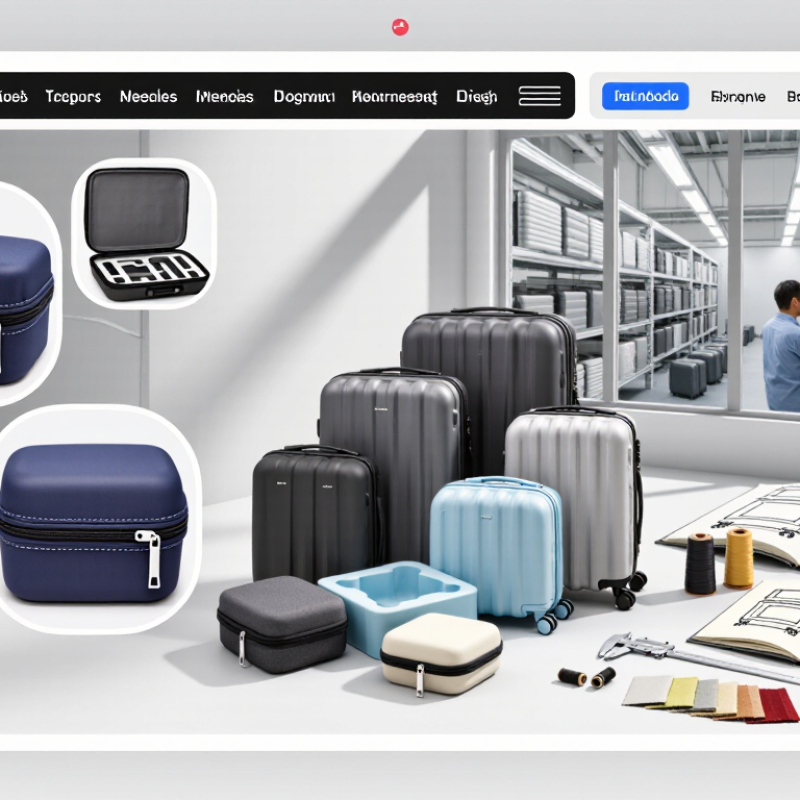
Define Your Case Requirements and Project Scope
Before contacting a case maker, define what the case must protect, how it will travel, and how many units you need. Record the product’s length, width, height, and weight, then note fragile edges, moisture exposure, stacking, and storage conditions. Specify materials, printing, inserts, closure style, target price, and delivery window. Small details matter. Share a physical sample or clear drawings when possible; “standard size” can mean different things to different suppliers.
Smithers’ The Future of Global Packaging to 2028 report valued the global packaging market at about US$1.05 trillion in 2023, with further growth projected. This broad market figure is not a case-specific benchmark, but it signals why precise specifications matter: suppliers serve many sectors and production needs. Ask shortlisted manufacturers for material specifications, production tolerances, sample approval steps, and relevant transport-test evidence. Confirm which party pays for tooling and how design changes affect cost and lead time. A dimension may look settled on screen, yet a snug sample can still crush a corner or slow packing.
Tips: Send a one-page brief with drawings, quantity ranges, and delivery dates. Request a pre-production sample, then test it with your actual product. Test before scaling.
Identify Qualified Case Makers in China
To identify qualified case makers in China, start by matching their production experience to your case type, materials, and order volume. Ask for recent photos or video of the workshop, relevant equipment, and a sample made to your specifications. A sample can reveal details that a catalog cannot: edge alignment, hinge movement, lining fit, and how the case feels when opened.
Check how the supplier controls quality. Ask how incoming materials, in-process checks, and final inspections are recorded. Request references from comparable projects and verify any quality certificates with the issuing organization. Ask who will handle design changes, production updates, and defect resolution. Clear answers matter. A low quote alone tells you little about consistency or capacity.
If practical, arrange a factory visit or a live video walkthrough, and compare what you see with the sample and written quotation. A polished showroom is only one signal, not proof. This is easy to overlook. Some capable suppliers may also use subcontractors, so ask which steps happen on site and how outside work is checked. Keep specifications, tolerances, packaging details, and approval milestones in writing. One small gap in the brief can become a costly mismatch; even a careful process cannot prevent every surprise.
How to Choose a Top Case Maker in China?
Example Supplier Qualification Scorecard
These illustrative scores show common qualification criteria, not ratings of specific suppliers. Verify each area through relevant documents, sample inspections, capacity checks, and a factory audit before making a sourcing decision.
Evaluate Manufacturing Capabilities and Quality Standards
How to Choose a Top Case Maker in China?
A capable case maker can explain how a design moves from drawing to finished product. Ask to inspect cutting, stitching, assembly, and packing areas. Compare the equipment with your product’s actual requirements. A workshop with many machines is not automatically a good fit. Ask who checks dimensions and how often.
Quality standards should be visible in records, not just promises. Request a sample inspection report, material specifications, and examples of defect tracking. For a case with zippers, inspect smooth movement and stitching around the teeth. For molded parts, check edges, color consistency, and fit. Small details matter. Ask how the factory handles a failed inspection. The answer should include a clear corrective action, not a vague assurance.
Production capacity deserves careful checking. Request a realistic schedule and confirm whether key processes happen in-house or through subcontractors. A polished sample can hide uneven production quality, so review samples from different batches when possible. I would not treat one successful visit as proof of consistent performance. Even a well-organized factory can miss a defect, and that possibility should be discussed openly. Strong suppliers welcome specific questions and provide evidence that can be verified.
Compare Pricing, Lead Times, and Communication
When comparing case makers in China, do not judge a quote by unit price alone. Ask for itemized costs, including tooling, sample fees, packaging, freight terms, and changes to materials or finishes. A low figure can hide assumptions. Confirm that each quote covers your exact dimensions, foam density, hinges, and surface finish. Send every supplier the same drawings and order quantity, then compare the details line by line. Estimates still are not promises.
Check lead times by milestone: sample approval, tooling, production, and dispatch. Ask whether quoted production days begin after sample approval, and whether shipping or revisions are excluded. Request a buffer for rework. Get milestone dates in writing, and ask for dated photos of the first article. Useful, not conclusive. Photos cannot replace inspection.
Communication deserves the same scrutiny as price. Notice whether the contact answers technical questions clearly, flags missing specifications, and records decisions. A fast reply is not always a reliable one. Send a marked-up drawing and ask the maker to confirm dimensions and tolerances. Keep one revision log instead of relying on scattered messages. It is easy to assume both sides understood a change; that assumption can become an expensive mistake.
Verify Supplier Credentials and Select a Case Maker
A reliable case maker should be verifiable before a sample order becomes a production run. Ask for its business registration and check that the registered name and address match the quotation and contract. Confirm who will manufacture the cases; a trading office may not own the workshop. Request a live video tour or recent production images showing cutting tables, assembly benches, and finished stock. Look closely. Photos alone do not prove capacity.
Ask for samples made with the same materials and finishes you plan to use. Check corner alignment, hinge movement, surface marks, and how the lid closes. Small flaws are easier to spot under bright, even light. Discuss production capacity, lead times, inspection steps, and how defects are handled. A supplier’s clear, specific answers are more useful than broad promises. Ask why if a detail changes between the sample and written specification.
Compare makers using the same requirements, not just the lowest price. Put dimensions, materials, color references, packaging, and delivery dates in writing. Request a pre-production sample for approval, then agree on inspection criteria before the full run begins. No checklist catches everything. A delayed reply or unclear answer may not mean poor workmanship, but it deserves a second question before you commit.