How to Choose the Best 201 Stainless Steel Welded Pipe?
Choosing the best 201 Stainless Steel Welded Pipe is not a simple task. Many factors influence your decision. 201 Stainless Steel offers a balance of strength and corrosion resistance. It is popular in various applications, from construction to manufacturing.
However, not all welded pipes are created equal. Different manufacturers have varying standards. It’s crucial to understand what makes a quality pipe. Look for certifications that guarantee durability. Pay attention to the pipe's finish and thickness as well. A poorly constructed pipe can lead to costly repairs and safety hazards.
Additionally, consider your specific needs. Different projects require different specifications. You might wonder how to balance cost with quality. Sometimes, the cheapest option is not the best. Investing in a reliable 201 Stainless Steel Welded Pipe can save money in the long run. Remember, the choice you make now impacts future projects. Aim for quality and reliability above all.
Understanding the Properties of 201 Stainless Steel
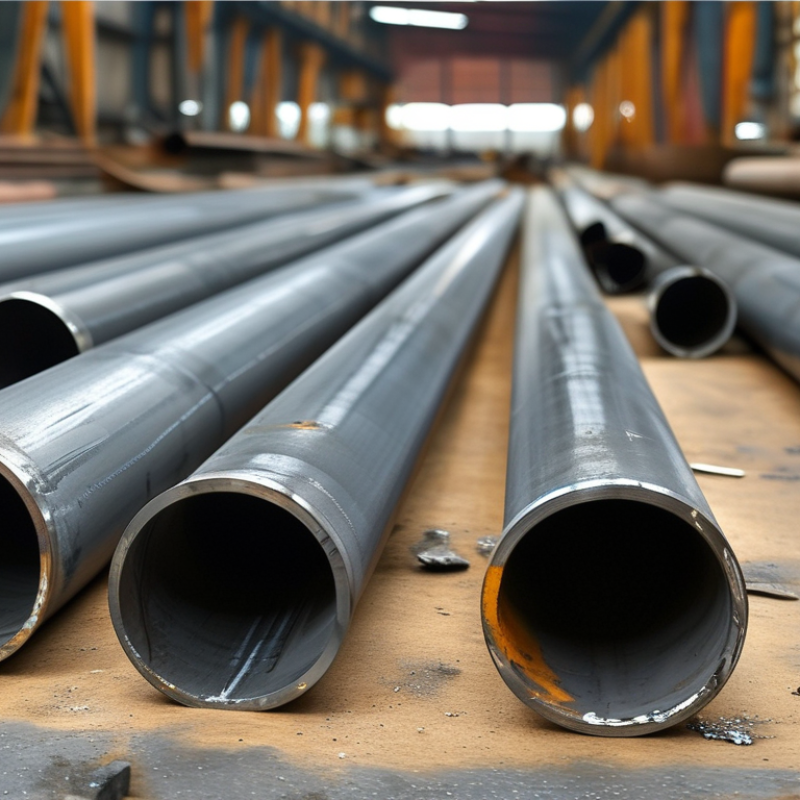
When selecting a welded pipe made from 201 stainless steel, understanding its properties is crucial. This type of steel contains a higher amount of manganese and nitrogen, which enhances its strength and corrosion resistance. Despite these benefits, it is less resistant to oxidation compared to 304 stainless steel. This trade-off can influence your choice depending on the application's environment.
201 stainless steel is popular for its cost-effectiveness. It offers solid mechanical properties while remaining budget-friendly for various projects. However, it is important to recognize potential downsides. While it provides good weldability, improper welding can lead to weaker joints. Regular maintenance is essential to prevent rust in high-moisture settings. Users must consider these factors carefully to ensure performance meets expectations.
Choosing the right welded pipe requires a balance of benefits and limitations. Always assess the specific needs of your project. Relying solely on cost may not yield the best long-term results. Understanding the role of material properties in practical applications can significantly enhance decision-making. Each project will present unique challenges and opportunities for reflection.
How to Choose the Best 201 Stainless Steel Welded Pipe? - Understanding the Properties of 201 Stainless Steel
| Property | Description | Typical Values |
| Chemical Composition | Mainly consists of iron, chromium, and nickel with some additions of manganese and nitrogen for stronger properties. | Chromium: 16-18%, Nickel: 3.5-5.5%, Manganese: 5.5-7.5% |
| Corrosion Resistance | Moderate resistance to corrosion compared to higher-grade stainless steels, suitable for indoor and some outdoor applications. | Good in non-chlorinated atmospheres |
| Weldability | Can be welded easily using standard procedures, but post-weld heat treatment is recommended for optimum results. | Good |
| Mechanical Properties | Offers a good balance of strength and ductility, making it suitable for a variety of applications. | Tensile Strength: 520 MPa, Yield Strength: 205 MPa |
| Applications | Commonly used in kitchen equipment, automotive components, and construction materials. | Food processing plants, Exhaust systems |
Identifying Applications for 201 Stainless Steel Welded Pipes
When considering the use of 201 stainless steel welded pipes, it's important to identify the right applications. This grade of stainless steel is known for its high strength and improved resistance to corrosion, making it suitable for various environments. Industries such as construction, food processing, and automotive often leverage these pipes due to their cost-effectiveness and structural integrity.
According to a recent industry report, the global demand for stainless steel pipes is expected to grow by 4.2% annually, highlighting their continued relevance in key sectors.
Tips: Assess the operating conditions before selecting 201 stainless steel pipes. Their performance can vary significantly in different environments, such as high-temperature settings versus humid conditions.
The versatility of 201 stainless steel pipes also extends to decorative applications. They are often used in railings, furniture, and other visible structures. However, it’s essential to understand that while they are aesthetically pleasing, they may not offer the same long-term durability as higher grades of stainless steel, like 304 or 316. A comprehensive analysis of your specific application will help in making informed decisions.
Tips: Regular maintenance can prolong the lifespan of 201 stainless steel pipes. Simple cleaning can prevent the build-up of corrosive substances, enhancing their durability and appearance.
Key Factors to Consider When Choosing Welded Pipes
When choosing welded pipes, several key factors must be considered. The type of steel used is critical; for example, 201 stainless steel offers good corrosion resistance and durability. According to a report by the International Stainless Steel Forum, 201 stainless steel accounts for over 10% of global stainless steel consumption. It is commonly chosen for its cost-effectiveness and moderate strength.
Another important consideration is the pipe's dimensions. The American Society for Testing and Materials (ASTM) provides specifications for welded pipes, including wall thickness and diameter. Selecting the right size ensures optimal performance in applications such as plumbing and structural uses. Miscalculating dimensions can lead to leaks or structural failures.
Weld quality is equally crucial. A high-quality weld enhances the pipe's strength and resistance to corrosion. The American Welding Society emphasizes the significance of using proper techniques and standards. However, even with advanced welding methods, some imperfections can occur, requiring careful inspection. Understanding these factors helps in making informed decisions when selecting welded pipes for specific projects.
Evaluating Manufacturer Quality and Certifications
When choosing a 201 stainless steel welded pipe, evaluating the manufacturer’s quality and certifications is crucial. The quality of the manufacturer directly impacts the pipe’s performance in various applications. According to a recent industry report, 75% of pipe failures can be traced back to poor production practices. This statistic highlights the importance of selecting manufacturers with proven reliability.
Look for certifications such as ISO 9001 and ASTM standards. These indicate that the manufacturer adheres to strict quality management systems. A manufacturer with certifications demonstrates commitment to high standards. In a study by the Stainless Steel Association, pipes from certified manufacturers showed an 85% reduction in defects compared to those from non-certified sources. This emphasizes the need to verify quality credentials when sourcing pipes.
It’s also vital to assess production techniques. Different welding methods affect the final product’s durability. For instance, electric resistance welding (ERW) can lead to uneven structures if not applied correctly. This can reduce the pipe’s load-bearing capacity significantly. A focus on precise techniques is essential for achieving consistency in quality. Take time to evaluate the manufacturer's track record, as it can provide insights into their overall reliability.
Comparative Analysis of 201 Stainless Steel Welded Pipe Properties
Comparing Cost and Performance of Different Suppliers
When selecting the best 201 stainless steel welded pipe, the cost and performance of suppliers are critical factors. Recent industry analyses indicate a significant divergence in pricing and quality. For example, the average cost of 201 stainless steel welded pipe can vary by as much as 30% based on the manufacturer. This cost variation often reflects differences in material quality and production processes.
It's essential to consider the specifications provided by suppliers. According to a 2022 report from the American Institute of Steel Construction, pipes with higher tensile strength tend to cost more. However, investing in stronger materials can lead to reduced maintenance costs over time. Beware of suppliers offering significantly lower prices; the materials used may not align with industry standards and could fail in harsh conditions.
**Tip:** Always request material certification and quality assurance documentation from your supplier. This transparency is crucial for ensuring that the fabricated pipes meet your project requirements. Comparing multiple suppliers can expose disparities in performance data, guiding you toward a more informed decision.
Consider the long-term implications of your choices. Cheaper options might seem attractive initially but may lead to higher repair costs. Thus, evaluate the total lifecycle costs rather than just upfront expenditure. The best approach balances cost, performance, and supplier reliability.