How to Choose the Best Planetary Mixer for Concrete?
Choosing the right Planetary Mixer Concrete for your project can seem overwhelming. With various brands and models available, it's crucial to understand the specific features that matter. A quality mixer can significantly influence the efficiency of your concrete mixing process.
Consider factors like capacity, power, and construction materials when selecting a mixer. A planetary mixer offers superior performance in blending ingredients evenly. It provides better results compared to standard mixers, reducing mix inconsistencies. Look into user reviews and expert opinions to gauge the reliability of different models.
Not all mixers meet the same standards. Some may lack durability or adequate mixing power. It’s essential to reflect on your own needs. Assess the size of your projects and the volume of material you need to mix. This reflection will guide you towards the most appropriate choice. A well-informed decision ensures both success and satisfaction in your concrete mixing endeavors.
Understanding Planetary Mixers: Key Features and Benefits
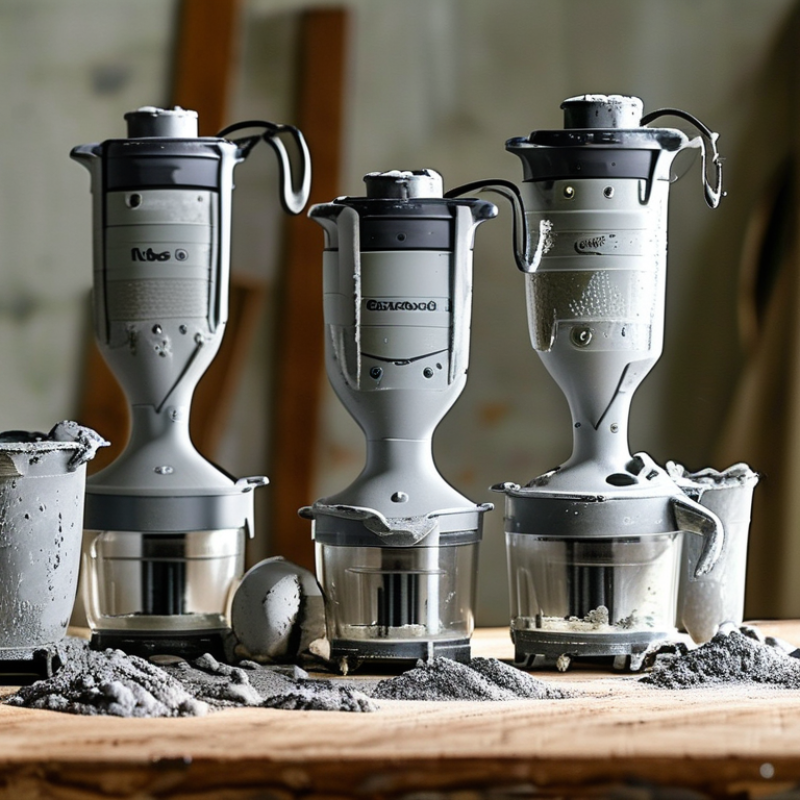
Understanding planetary mixers is crucial when choosing the right equipment for concrete mixing. These mixers are designed to provide a thorough blend, ensuring that all components are evenly distributed. Their unique mixing arms rotate on their axis while orbiting the bowl. This motion results in consistent, high-quality mixtures. The design allows for effective incorporation of aggregates and additives, which is essential for producing durable concrete.
Key features to consider include the bowl’s capacity, the type of mixing arms, and speed settings. Adjustable speeds allow for versatile mixing of various concrete types. Some mixers may struggle with larger batches, highlighting a need for careful selection based on your project size. Reliability is also paramount. A mixer should be able to withstand heavy-duty usage without frequent breakdowns.
When evaluating the benefits of planetary mixers, focus on the long-term return on investment. A well-chosen mixer can improve production efficiency. Yet, it’s important to acknowledge that not every model excels in every aspect. Some may be more difficult to clean, while others may not handle specific mixtures as effectively. It’s vital to reflect on these limitations and seek honest reviews to ensure the mixer aligns with your needs.
Evaluating Mixing Capacity: What Size Mixer Do You Need?
When selecting the right planetary mixer for concrete, size plays a crucial role. Consider how much concrete you will need for your projects. A smaller mixer, with a capacity of around 5 to 10 gallons, might suffice for small-scale or DIY tasks. However, larger jobs require mixers with capacities of 20 gallons or more. According to industry reports, the optimal size mixer for commercial construction is often in the range of 30 to 50 gallons. This capacity can significantly enhance efficiency, reducing mixing time and labor costs.
Mixing capacity is vital, yet many overlook the specifics of their needs. Evaluate your typical project size. Are you mixing small batches frequently or large batches occasionally? A planetary mixer that matches your typical output can save you resources. Remember, overestimating your needs may lead to wasted materials and time.
Check for mixing power as well. A powerful motor ensures better consistency in your mixes. Observe that some models provide double the speed for heavy-duty tasks. Reflecting on your workflow can help avoid inefficient choices. Balancing capacity and power is key when making your decision. Gathering feedback from experienced users in the industry can provide valuable insights.
Assessing Motor Power: Optimal Wattage for Concrete Mixing
When selecting a planetary mixer for concrete, assessing motor power is crucial. The optimal wattage for mixing concrete effectively usually falls between 800 to 1500 watts. A mixer within this range ensures you can handle thick mixtures without straining the motor. Higher wattage generally provides faster mixing but can lead to increased wear and tear.
Tips for choosing the right wattage include evaluating your mixing needs. If you regularly mix heavy batches or dense materials, lean towards a higher wattage. For lighter jobs, a lower wattage can suffice. Pay attention to specifications; not all high-wattage mixers deliver the same performance.
Many users overlook the importance of RPM. A good planetary mixer should have adjustable speeds. This feature allows you to mix concrete efficiently, providing versatility for different projects. Don't ignore cooling systems as they can affect longevity. A well-ventilated motor can prevent overheating during extended use. Reflect on your mixing habits to avoid purchasing an underpowered or excessively powerful mixer.
How to Choose the Best Planetary Mixer for Concrete? - Assessing Motor Power: Optimal Wattage for Concrete Mixing
| Mixer Model | Motor Power (Wattage) | Mixing Capacity (Liters) | Speeds Available | Weight (kg) |
| Model A | 1500 W | 60 L | Variable Speed | 80 kg |
| Model B | 2000 W | 100 L | 3 Speeds | 90 kg |
| Model C | 2500 W | 120 L | Variable Speed | 110 kg |
| Model D | 1800 W | 75 L | 2 Speeds | 85 kg |
| Model E | 2100 W | 90 L | 5 Speeds | 95 kg |
Material Quality: The Importance of Durable Mixer Construction
Choosing the right planetary mixer for concrete is crucial for achieving quality results. A durable construction significantly affects the mixer’s performance and longevity. High-quality materials can withstand the harsh environment of concrete mixing, ensuring a better return on investment. Mixing drums made from wear-resistant steel often last longer. The overall design should minimize wear and tear, especially for components that experience constant friction.
Experience shows that not all mixers are created equal. Some may look robust but fail under real conditions. Pay attention to the mixer’s frame and motor strength. A reliable mixer should handle heavy loads without compromising safety. You might find some models lacking in these areas, resulting in unnecessary repairs or replacements. Regular maintenance is necessary to extend the machine's lifespan, indicating the need for durable materials.
When selecting a mixer, consider these practical aspects. Check for user reviews that highlight real-life experiences. Look for mixers that are easy to clean and maintain, as this will save time. Ensure the construction can endure the specific demands of your projects. Always weigh durability against other features. Sometimes a seemingly excellent option might not be the best for your needs.
Pricing Analysis: Cost vs. Performance in Planetary Mixers for Concrete
Choosing the right planetary mixer for concrete involves analyzing the balance between cost and performance. A detailed pricing analysis can shed light on this complex decision. Industry reports show that robust planetary mixers can range from $1,500 to over $15,000. The choice often reflects the intended scale of operations and the materials being mixed.
Performance is key when deciding on a mixer. High-performance mixers typically offer superior homogeneity in mixing, reducing the mixing time needed by up to 30%. This efficiency can lead to significant cost savings in both labor and material waste. However, budget constraints often lead buyers to settle for lower-cost options, which might not provide the same reliability. As observed, mixers on the lower end of the price spectrum often struggle with durability and consistency. This inconsistency can result in expensive project delays or material failures.
Market trends indicate that investing in higher-quality mixers may pay off in the long run despite the initial costs. Mixing technology has advanced, and features such as variable speed controls and enhanced gear systems are becoming standard. These advancements help ensure that the mixer not only meets the immediate needs but also adapts to future requirements. Ultimately, a careful evaluation of both pricing and the expected longevity of performance is essential before making a decision.
Cost vs. Performance in Planetary Mixers for Concrete