How to Choose the Best Reusable Coffee Cup for Your Needs?
Choosing the right reusable coffee cup can seem overwhelming. With so many options available, it’s essential to know what fits your lifestyle. Sarah Johnson, an expert in sustainable products, once said, “The perfect reusable coffee cup is one that you will actually use.” This statement highlights the importance of practicality when selecting a cup.
When considering a reusable coffee cup, think about your daily routine. Do you prefer a lightweight design for commuting? Or do you need something that maintains temperature for hours? The material is also crucial. Cups made from stainless steel, glass, or BPA-free plastic each have their unique benefits and challenges. It's vital to pick one that aligns with your preferences.
Reflecting on personal needs and usage patterns will guide your decision. Functional design elements like lid type and comfort grip can make a significant difference. Remember, the goal is not just to be eco-friendly, but also to enhance your daily coffee experience with a reliable reusable coffee cup.
Factors to Consider When Choosing a Reusable Coffee Cup
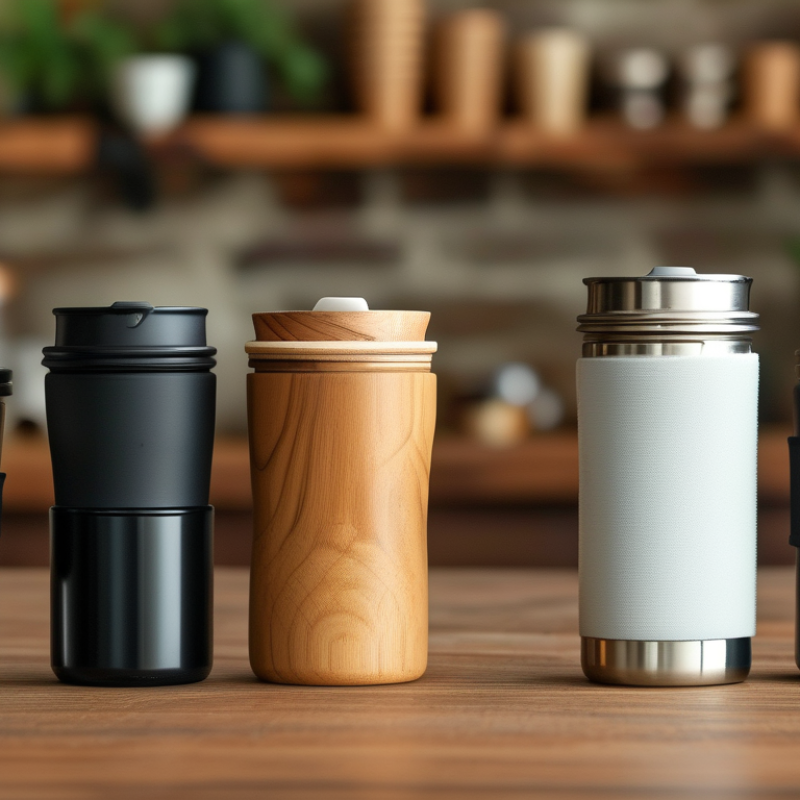
Choosing a reusable coffee cup involves several important factors. Material is key. Options like stainless steel, glass, and silicone each have unique properties. Stainless steel is durable and keeps beverages hot for longer. Glass offers a pure taste, but it can be fragile. Silicone is lightweight and flexible, but it may not insulate as effectively. Consider your daily routine and the environment where you'll use the cup.
Size and capacity also play a crucial role. Many cups vary from 8 to 16 ounces. A larger cup is great for those who prefer more coffee in one go. However, a compact size may better suit your on-the-go lifestyle. Ensure the cup fits in your car's cup holder for convenience. Additionally, look at the lid design. Some cups have spill-proof lids, while others offer easy sipping. Assess how you drink your coffee. Do you sip slowly or take quick gulps?
Lastly, think about cleaning. Some cups are dishwasher safe, but others require hand washing. This can affect how often you'll use it. A cup that’s hard to clean may end up in the cupboard, unused. Strive for a balance between aesthetics and functionality. Choose a cup that resonates with you while serving your daily coffee needs effectively. Reflecting on these factors will help you select a coffee cup that fits seamlessly into your life.
Material Options for Reusable Coffee Cups: Pros and Cons
When selecting a reusable coffee cup, the material is a key factor to consider. Each option presents unique advantages and disadvantages that influence your choice. For instance, stainless steel is durable and excellent at retaining temperature. A study by the National Coffee Association shows that many consumers prioritize temperature preservation. However, stainless steel can be heavier and sometimes less aesthetically pleasing than alternatives.
Glass is another popular option, offering a clean look and the ability to keep the flavor of the coffee intact. According to the Specialty Coffee Association, many coffee aficionados prefer glass for tasting purposes. Yet, glass cups can be fragile and cumbersome for travel, raising concerns about breakage. Moreover, they lack insulation, potentially leading to a hot surface.
Plastic is lightweight and often more cost-effective. Many cups made from BPA-free plastics are available in the market today. However, there are concerns regarding heat retention and possible leaching of chemicals, especially when exposed to heat. Environmental data indicate that plastic takes hundreds of years to decompose, prompting a rethink of their impact. While they may be convenient, the long-term sustainability of plastic cups remains in question. Balancing these factors is essential for a thoughtful decision on a reusable coffee cup.
Size and Capacity: Finding the Right Fit for Your Beverage Needs
When selecting a reusable coffee cup, size and capacity are crucial. Find a cup that matches your daily beverage needs. Standard sizes range from 8 oz to 20 oz. Think about your usual coffee order. Are you a cappuccino lover or more inclined towards large cold brews? Each option has a different size requirement.
Consider how often you drink coffee. A larger cup might suit your mornings but weigh you down during your afternoon commute. A smaller cup could leave you refilling it often. The right fit balances convenience and capacity.
Pay attention to the material too. Stainless steel often holds heat better but could be heavier. Plastic is lightweight but may not keep drinks as hot. Reflect on your lifestyle. Will you be carrying it around all day or just using it at home? This can define your choice.
Determine what fits well in your bag. A cup that's too bulky can be cumbersome. The shape also matters; round bases fit in car cup holders better than others. Give yourself time to explore different options to avoid rush decisions. Experiment with sizes to know what truly works for you.
Design and Usability Features in Reusable Coffee Cups
When selecting a reusable coffee cup, design and usability are crucial. A study from the International Journal of Beverage Research shows 60% of consumers prefer ergonomic designs. Comfort during use affects user satisfaction significantly. Features such as a silicone sleeve for grip and a spill-proof lid enhance usability. The right design makes a cup not just functional but enjoyable.
Materials also impact usability. Stainless steel is a popular choice for its durability and insulation properties. Research indicates that cups with double-wall construction keep drinks hot longer. Colors and aesthetics may draw users, but functionality should remain the priority. Many cups fall short in meeting practical needs, leading to frustration. Users often report leakage issues with poorly designed lids.
Moreover, the cleaning process cannot be overlooked. A cup that is easy to disassemble and clean is preferred by 70% of consumers, according to recent surveys. Even the most stylish cup might be neglected if it becomes difficult to maintain. When assessing a reusable coffee cup, consider both its appearance and user-friendliness to ensure it fits your lifestyle.
How to Choose the Best Reusable Coffee Cup for Your Needs?
| Feature | Description | Importance Level |
| Material | Stainless steel, silicone, glass, or BPA-free plastic | High |
| Insulation | Keeps beverages hot or cold for extended periods | High |
| Capacity | Variety of sizes available from small (8oz) to large (16oz) | Medium |
| Lid Type | Screw-on, snap-on, or flip-top options | High |
| Ease of Cleaning | Dishwasher safe or easy to hand clean | Medium |
| Portability | Lightweight and fits in cup holder | High |
| Design Aesthetics | Colorful designs or minimalist styles | Low |
| Eco-Friendliness | Made from sustainable materials and recyclable | High |
Environmental Impact: Assessing Sustainability in Your Choice
Choosing a reusable coffee cup is essential for reducing environmental impact. Many cups claim to be eco-friendly, but not all are created equal. Evaluating the materials used in the cup is a good starting point. Look for options made from stainless steel, glass, or BPA-free plastics. These materials tend to have a longer lifespan and a lower impact on the environment compared to traditional plastic cups.
When selecting a reusable coffee cup, consider its manufacturing process. Some companies use sustainable practices, while others may not. Researching brands can reveal their reputations for environmental responsibility. Be aware that some cups may seem appealing but are not as sustainable due to their production methods or end-of-life disposal.
Using a reusable coffee cup is a positive choice, but it requires commitment. It's essential to keep the cup clean and ready for use. Some people might find it easy to forget their cup at home. Creating a routine can help. Place your cup by the door or in your bag as a reminder. Reflecting on your choices and being mindful about each cup can lead to a more sustainable lifestyle.