How to Choose the Right Forklift Collision Detection System?
In the fast-paced world of warehouses and manufacturing plants, safety remains paramount. Choosing the right Forklift Collision Detection System is essential for minimizing hazards. With increasing demands, companies strive for efficiency while ensuring their employees' safety. A suitable collision detection system can significantly reduce accidents involving forklifts and pedestrians.
When selecting a system, evaluate your specific operational needs. Consider the layout of your facility and the frequency of forklift use. Not all systems are equal; some may require extensive recalibration, while others seamlessly integrate into existing workflows. Organizations often overlook compatibility, leading to increased costs and inefficiencies down the line.
It's vital to engage with experts who understand the latest technology trends in Forklift Collision Detection Systems. Research is necessary because technology evolves rapidly. Asking the right questions about safety features and operational integration can make a big difference. Reflecting on past accidents can help shape a more informed choice. This decision impacts not only productivity but also the well-being of your workforce.
Understanding Forklift Collision Detection Systems
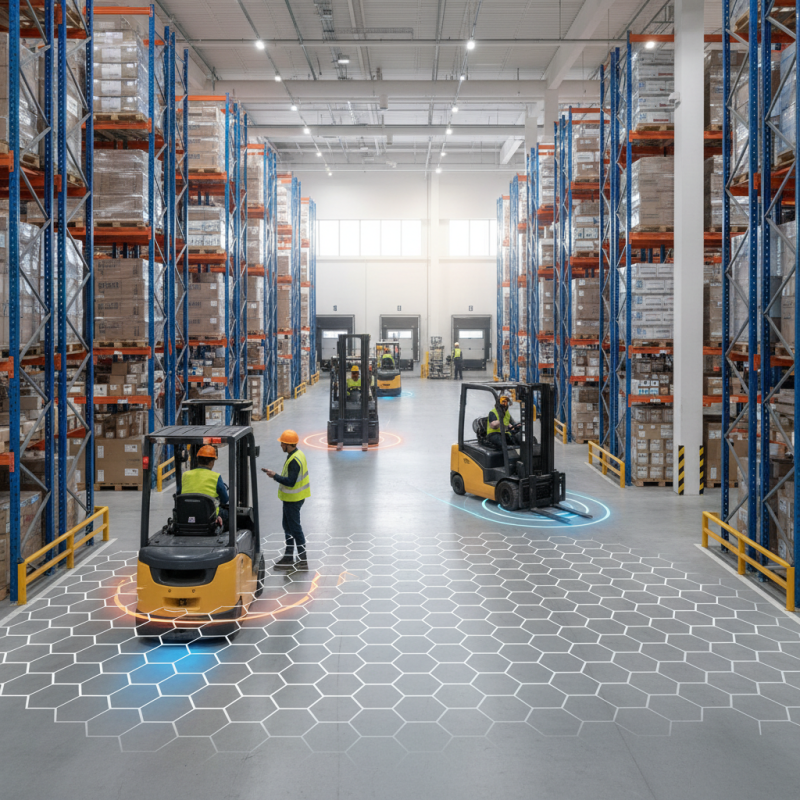
Forklift collision detection systems are critical for workplace safety. According to a recent report by the National Safety Council, about 20,000 forklift-related injuries occur annually in the U.S. This statistic highlights the importance of adopting effective safety measures. These systems can help prevent collisions by detecting obstacles in a forklift’s path. They use various technologies such as sensors, cameras, and radar to create a safer work environment.
Understanding the specific features of these systems is essential. For instance, proximity sensors alert operators of nearby pedestrians or obstacles. Studies show that facilities using these systems reduce accidents by up to 25%. Additionally, integration with warehouse management systems enhances communication and response times. Nonetheless, not all systems fit every operation. Assessing the layout, forklift type, and employee training levels is fundamental.
Some users may overlook the maintenance of these systems. Regular checks ensure that sensors are functioning correctly. Inadequate maintenance might lead to false alarms or missed detections. Organizations must prioritize routine evaluations. Simple issues can escalate into significant safety risks. Balancing technology and human oversight remains essential for maintaining a safe workplace.
Key Features to Look for in Collision Detection Technology
Choosing a suitable forklift collision detection system is crucial for safety. When considering this technology, focus on key features. A reliable system should offer real-time alerts. It needs to detect potential collisions before they happen.
One essential feature is the area monitoring capability. The system should accurately define safe zones, helping operators navigate busy warehouses. Additionally, look for customizable alert settings. This ensures that warnings are tailored to specific operational needs. You want a balance between sensitivity and practicality. Too many alerts can lead to desensitization.
Tips: Consider systems with integrated training modules. This helps operators understand the technology thoroughly. Regular updates and maintenance are vital for reliability. Always reflect on past incidents to improve safety measures continuously. Remember, no system is perfect. The goal should be to minimize risks before accidents occur.
Assessing the Environment for Optimal System Selection
Assessing the environment is crucial when selecting a forklift collision detection system. Understand your workspace layout. Narrow aisles, high shelving, and pedestrian traffic all affect system choice. For instance, in crowded warehouses, a more sensitive detection system may be needed. In contrast, open spaces might benefit from wider detection ranges.
Consider the operating conditions as well. High dust or wet environments may impact sensor performance. A system designed for harsh conditions will be more reliable. Analyze the frequency of use as well. A system suitable for daily operation needs to withstand wear and tear. Reflect on your specific needs and acknowledge possible shortcomings in your current setup. Identify potential blind spots that may compromise safety.
A thorough assessment can lead to better decisions. Engage with experts if possible. Their insights can guide you through this complex process. Ultimately, a well-chosen system enhances safety and productivity simultaneously.
Evaluating Compliance and Safety Standards
When selecting a forklift collision detection system, compliance with safety standards is crucial. Safety regulations differ by region. Understanding these standards ensures your system meets local requirements. Organizations often need to follow guidelines set by government bodies. This guarantees safety measures are incorporated.
Evaluating safety standards can be complex. Not all systems provide the same level of protection. It’s essential to examine each system’s certifications. Look for details on how they perform in various environments. Testing under real working conditions can reveal potential weaknesses. A system that seemingly meets standards may still fall short in practical situations.
Engaging with industry professionals enhances decision-making. Their insights can clarify advantages and limitations. Some systems may focus on detecting moving objects only. Consider how well they handle various warehouse situations too. A holistic view ensures the selected solution protects both workers and assets. Reflecting on these factors will lead to a more informed choice.
Cost vs. Benefit Analysis of Collision Detection Systems
Choosing the right forklift collision detection system involves evaluating various factors, particularly cost and benefits. These systems can range from basic alarms to advanced sensor technology. This decision requires careful scrutiny of available options and their implications for security and productivity.
Cost is a critical factor. Basic systems often have lower upfront costs but may lack essential features. On the other hand, more advanced systems might entail significant investment. However, the potential benefits can outweigh these costs. Fewer accidents lead to reduced downtime and lower insurance premiums. Over time, this investment could yield substantial savings.
Analyzing benefits is equally important. Improved safety enhances employee morale and reduces liability risks. A reliable detection system can help prevent costly accidents. However, it’s essential to consider specific operational needs. Not every facility requires the most advanced technology. Striking a balance between cost and effectiveness can be challenging. Regular assessments of incidents and near-misses can provide insights into the best options available.