

How to Choose the Best Aluminum Sunroom in 2026?
Choosing the best Aluminum Sunroom in 2026 means looking beyond attractive photos. The right model should suit your climate, daily routines, and home’s existing structure. A narrow frame can open the view, but it still needs sound engineering, durable finishes, and carefully sealed joints. Ask how the glazing handles heat, glare, and cold. Request written performance details, not just a promise that the room feels comfortable.
Architect Louis Kahn once observed, “The sun never knew how great it was until it hit the side of a building.” He was an architect, not an aluminum sunroom manufacturer; his remark speaks to daylight, not product performance. That distinction matters. A bright room can still overheat, and a beautiful frame can still disappoint if drainage or installation is poor. Details matter.
This guide compares frame design, glazing, thermal breaks, roof options, maintenance, and installation questions. Look closely at corner joints, door tracks, and the transition where the sunroom meets your home. Ask who handles installation and what the warranty actually covers. Compare the full system, not one impressive feature. A low price may reflect fewer options—or simply a different specification. And yes, choosing can feel less clear than it should. Use the evidence, consider your local conditions, and treat confident sales claims as questions to verify.
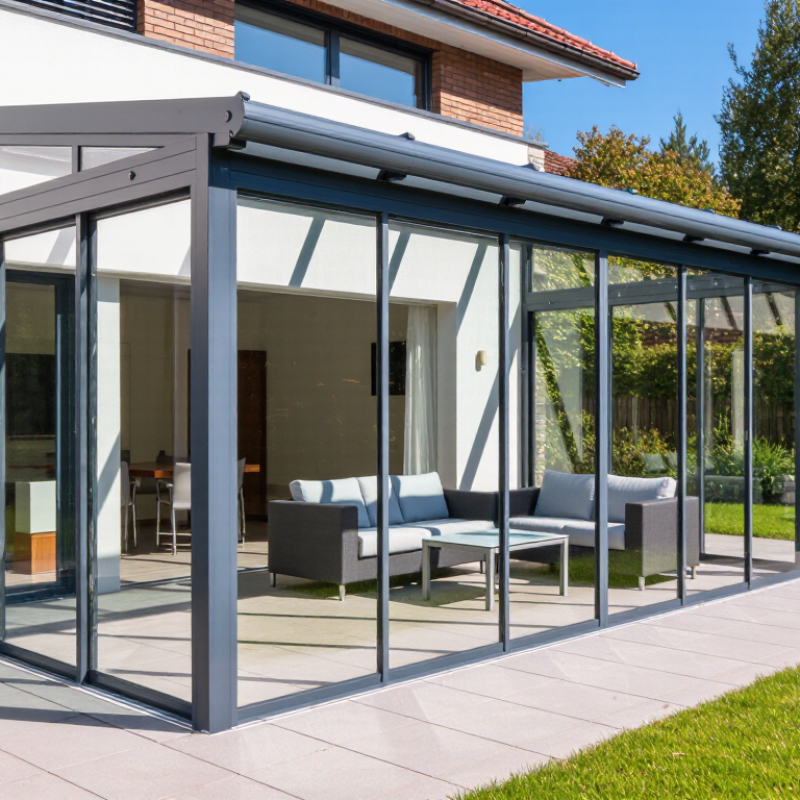
Define Your Sunroom’s Purpose, Size, and Budget
A comfortable sunroom begins with a clear purpose. Will it be a breakfast nook, a plant-filled retreat, or a family room used through winter? Each use changes the glazing, shading, heating, and furniture you need. Start with use. A 12-by-16-foot room provides 192 square feet, but a dining table and walking space can quickly consume it. Sketch the furniture before settling on dimensions. Then note which windows face strong afternoon sun; that detail can affect glare and cooling needs.
Set a total budget before comparing aluminum systems. Include the base, glazing, insulation, ventilation, electrical work, installation, and a contingency. The 2024 Houzz & Home Study reported a $24,000 median renovation spend for U.S. homeowners in 2023. That figure covers many kinds of projects, not sunrooms, so use it as broad context rather than a price estimate. Request itemized local quotes for your actual design.
Aluminum framing can offer slim sightlines, but the frame alone does not determine comfort. Ask about thermal breaks, glass performance, and tested wind-load ratings for your region. Get written specifications. A lower initial quote may omit shading or interior finishing, and those omissions are easy to overlook. Recheck the plan against your daily routine, not just the room’s appearance. A little awkward? Better to discover that on paper.
How to Choose the Best Aluminum Sunroom in 2026? – Define Your Sunroom’s Purpose, Size, and Budget
Use this planning guide to match the room to its intended use. Budget figures are broad U.S. planning estimates in USD for a professionally installed aluminum sunroom; actual costs vary by location, design, glazing, labor, permits, and site conditions.
| Primary Purpose | Typical Size | Best-Fit Configuration | Indicative Installed Budget (USD) | Key Planning Considerations |
|---|---|---|---|---|
| Seasonal sitting area | 100–160 sq. ft. (9–15 m²) | Three-season room; operable windows and insect screens; limited insulation. | About $12,000–$40,000 | Suitable for mild-weather use. Plan for ventilation and exterior shading to reduce summer heat. |
| Dining or family lounge | 160–240 sq. ft. (15–22 m²) | Three-season or four-season; insulated aluminum framing and appropriately rated glass. | About $20,000–$80,000 | Allow circulation space around furniture. A year-round room generally needs better thermal performance and heating or cooling. |
| Home office or hobby room | 120–200 sq. ft. (11–19 m²) | Four-season; thermally improved frames, insulated roof and floor, and low-emissivity glazing where appropriate. | About $25,000–$80,000 | Include electrical outlets, lighting, glare control, and a plan for stable indoor temperatures. |
| Year-round living space | 200–300 sq. ft. (19–28 m²) | Four-season construction; insulated framing and roof, energy-rated glazing, and planned heating and cooling. | About $40,000–$120,000 | Confirm local code, foundation requirements, ventilation, moisture control, and connection details with the existing home. |
| Large entertaining space | 300–400 sq. ft. (28–37 m²) | Usually four-season for regular use; consider structural spans, roof design, and multiple ventilation openings. | About $60,000–$160,000 | Larger footprints can increase foundation, structural, HVAC, and permitting costs. Obtain a site-specific estimate before setting the final budget. |
Budget note: These ranges are preliminary allowances, not quotes, and may exclude major site work, utility upgrades, landscaping, furnishings, and unusual foundation work. Check local building and energy-code requirements before choosing materials or finalizing the design.

Compare Aluminum Frame Designs and Glazing Options
How to Choose the Best Aluminum Sunroom in 2026?
Compare Aluminum Frame Designs and Glazing Options
Aluminum frames create slim sightlines and support broad glass panels, but frame design matters. Standard aluminum conducts heat readily. A thermal break—a nonmetallic strip between interior and exterior frame sections—reduces that direct heat transfer. Ask for whole-window U-factor and solar heat gain coefficient (SHGC), not just glass specifications.
The U.S. Department of Energy’s Energy Saver guidance estimates that heat gain and loss through windows account for 25–30% of home heating and cooling energy use. That makes glazing a comfort decision, not merely an appearance choice.
Double glazing is a practical starting point in many climates. Low-emissivity coatings help limit heat transfer, while the right SHGC depends on sun exposure: west-facing glass can make afternoon rooms uncomfortably hot. In cold, bright locations, some solar gain may be welcome.
Small detail. Check the National Fenestration Rating Council label for independently rated U-factor and SHGC, then compare complete units with similar sizes and operating styles. A high-performance pane cannot fully compensate for a poorly designed frame or leaky installation.
Also consider condensation, cleaning access, and local wind exposure. Laminated glass can help hold broken pieces together, but it is not automatically the best choice for every panel.
The trade-off is easy to miss. I would compare sample frame corners and glazing specifications side by side before choosing; paper ratings alone do not show how bulky a frame looks from the garden.
Match Insulation and Ventilation to Your Climate
A comfortable aluminum sunroom starts with your local climate, not a catalog photograph. Aluminum frames are strong and low-maintenance, but metal transfers heat readily. In cold regions, look for thermally broken frames, insulated roof panels, and glazing suited to winter temperatures. On frosty mornings, weak insulation can leave the glass cold and encourage condensation along the frame.
Ventilation matters just as much. In humid or hot climates, operable windows placed on opposite sides can help move warm, damp air outside. A screened roof vent may release rising heat, while exterior shading can reduce harsh afternoon sun. In colder areas, ventilation is still useful after cooking, watering plants, or hosting guests; brief, controlled airflow can help manage moisture without leaving the room chilly. Keep it practical.
Match the details to the way you will use the space. A sunny south-facing room may need more shade than a sheltered, north-facing one. Ask how the roof, glazing, seals, and frame work together, rather than judging insulation by one specification alone. I would not assume that more insulation fixes every comfort problem; poor ventilation can still make a room feel stuffy. Measure the room during the hottest and coldest parts of the year, if possible. That small step can reveal which trade-off matters most.
How to Choose the Best Aluminum Sunroom in 2026?
Match insulation and ventilation to your climate
Lower U-factor means less heat transfer through the glazing. In cold climates, favor low-U-factor glass and thermally broken aluminum frames to reduce heat loss. In hot, sunny climates, also check the solar heat gain coefficient (SHGC), use effective shading, and provide operable ventilation to release built-up heat. Values shown are representative examples; actual performance varies by product.
Check Building Codes, Installation, and Contractor Credentials
How to Choose the Best Aluminum Sunroom in 2026?
Before comparing frame colors or glass options, check the rules that apply to your property. Building requirements vary by location, and a sunroom may need permits or specific structural details. Ask your local building department which documents are required. Bring a basic plan showing the room’s size, location, and connection to the house. Snow loads, wind exposure, drainage, and foundation depth can all affect the design. Small details matter. A downspout that empties beside the new foundation, for example, can create trouble later.
Installation quality deserves the same attention as the materials. Ask how the frame will connect to the existing wall and roof, and how the crew will seal joints against rain. Request a written scope that identifies foundation work, glazing, drainage, cleanup, and who handles inspections. Check contractor credentials, insurance, and relevant local references. If possible, look at a completed project and ask its owner how the room performs in heavy rain or temperature swings. Get the details in writing.
A confident sales pitch is not proof of careful work. Compare answers, not just estimates. One part of the proposal may still be unclear; ask for clarification before signing. A qualified contractor should explain what is included, what could change, and how installation will be checked against approved plans.
Compare Total Costs, Warranties, and Long-Term Maintenance
An aluminum sunroom quote is only the starting point. Compare the complete installed price, not just the frame cost. Check whether the estimate includes foundations, glazing, drainage, delivery, permits, and finishing work. Small exclusions add up. Ask for each item in writing, and compare quotes with the same window type and insulation level. A low upfront price can mean higher heating or cooling costs later.
Read the warranty carefully. Frame, finish, glass, seals, and installation may have different coverage periods and conditions. Ask what counts as normal wear, who handles service, and whether labor is included. Keep the documents. A long warranty sounds reassuring, but its value depends on clear terms and a practical repair process.
Maintenance is usually manageable, but it is not zero. Rinse frames and tracks with clean water, especially after exposure to salt or dust. Check drainage paths and seals each season; blocked channels can let water collect. Ask how often the finish needs inspection and which cleaning products are safe. I’d leave room in the budget for occasional adjustments. It is easy to underestimate those small costs. Compare the expected upkeep over several years, then weigh it against the comfort and usable space the room will actually provide.