How to Choose the Best Car Battery Jumper in 2026?
Choosing the right car-starting equipment in 2026 is about more than picking the biggest number on a box. A weak battery can leave a driver stranded in a quiet parking lot, with only a dim dashboard and a cold engine for clues. A Car Battery Jumper can provide a practical backup, but models differ in power, battery capacity, safety features, and ease of use. Small details matter.
Peak-amp ratings can be difficult to compare, and they do not tell the whole story. Check the manufacturer’s guidance for your engine type and size, then consider how often you may use the device and where it will be stored. A compact unit may fit neatly in a glove box, while a larger model could offer more starting capacity. Neither is automatically better. Look for clear instructions, reverse-polarity protection, sturdy clamps, and a charge indicator you can read in daylight. For winter driving, consider cold-weather performance and keep the jumper charged; an unused, depleted unit may not help when needed. That is easy to overlook.
This guide explains how to compare specifications, match a jumper to your vehicle, and evaluate useful extras such as a built-in light or USB charging. It also covers sensible safety checks, including consulting your vehicle manual and avoiding use with a damaged battery. The numbers can mislead. A little caution helps. There is no single best choice for every driver, so the goal is to find a reliable model that suits your car, climate, budget, and comfort level.
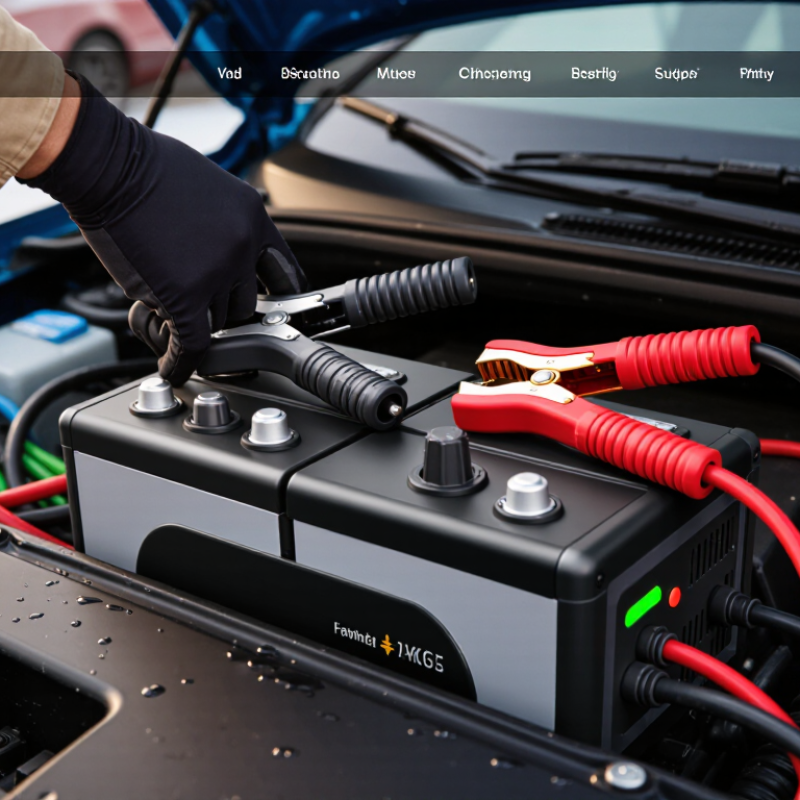
Understand How Car Battery Jumpers Work
A car battery jumper supplies a brief burst of electrical current to help the starter motor turn the engine. A portable unit connects to the vehicle’s battery, positive clamp to positive and negative clamp to the designated ground point. The battery and jumper then work together to deliver the starter’s high current. That is the key. A jumper is not a battery charger, so a weak battery may need charging or replacement afterward.
Cold weather makes battery performance harder to judge. SAE International’s J537 battery-performance standard tests cold-cranking ability at 0°F (-18°C); a 12-volt battery must sustain its rated current for 30 seconds while maintaining at least 7.2 volts. This benchmark explains why a car that starts easily in mild weather may struggle on a freezing morning. Jumper ratings can be confusing, too: peak current alone does not tell you whether a unit suits your engine. Check its instructions and your vehicle’s requirements. I would not treat one large number as a guarantee.
Tips: Switch off the ignition and accessories, then connect clamps in the sequence specified by the vehicle and jumper manuals. Keep the clamps apart, and never let them touch metal together. If the engine does not start after a few attempts, pause and check the connections rather than repeatedly cranking. Safety details matter.
Identify Your Vehicle’s Starting and Battery Requirements
Before choosing a car battery jumper in 2026, identify your vehicle’s starting requirements. Check the owner’s manual for the recommended battery voltage and cold-cranking amps (CCA). Most passenger cars use a 12-volt system, but required starting power varies with engine size and design. Diesel engines often need more starting current than comparable gasoline engines. Small detail, big difference.
A jumper’s advertised peak current is not the only useful measure. Compare its starting-current rating with your vehicle’s needs, and choose a unit rated for your engine type. Consider where you drive, too: cold weather can make engines harder to start. A specification sheet may look reassuring, yet the manual remains the better reference. If the vehicle has a stop-start system or an auxiliary battery, check its instructions before buying.
Tips: Keep the manual’s battery specifications handy while shopping. Check that the clamps fit securely and that the cables reach the battery without stretching. Follow the jumper’s instructions, and never connect it to high-voltage components in a hybrid or electric vehicle. A little checking now can prevent a frustrating mismatch later.
Compare Jumper Types, Power Ratings, and Safety Features
Choosing a car battery jumper means matching its type to your driving conditions. Compact lithium-ion units fit a glovebox and suit occasional use; heavier lead-acid models can offer larger reserves but take more space. AAA reports nearly 30 million roadside-assistance calls annually, with battery trouble among common service needs. That scale makes a reliable backup worthwhile. Compare rated starting current, not just advertised peak amps, and check the unit’s guidance for your engine size and cold-weather use. SAE J537 defines battery cold-cranking performance at 0°F for 30 seconds, with a minimum voltage threshold of 7.2 volts. A jumper’s peak rating is not the same test. That distinction matters.
Safety features deserve equal attention. Look for reverse-polarity protection, short-circuit protection, and clear clamp indicators; these reduce common connection errors, but cannot replace careful use. Check for independent testing against UL 2743, a safety standard for portable power packs. Keep the cables away from moving engine parts, connect only as the manual directs, and inspect clamps for corrosion or damage. A bright display helps in a dim parking lot. The awkward part: ratings are not always easy to compare across products, so a higher number alone may not mean a better match. Keep the jumper charged, too; an emergency device with a flat battery is just extra weight.
How to Choose the Best Car Battery Jumper in 2026?
Compare typical advertised peak-current ranges by jumper type. These are broad market ranges, not standardized performance ratings; always check your vehicle manual and the jump starter’s instructions.
How to use this chart: Peak amps are not the same as cranking amps or cold-cranking amps, and manufacturers may measure them differently. Choose a unit rated for your engine size and climate. Look for reverse-polarity, short-circuit, and over-temperature protection, and follow the connection sequence in the manual.
Assess Compatibility, Portability, and Long-Term Reliability
Choosing a car battery jumper starts with the vehicle, not the size of the device. Check the owner’s manual for battery voltage, engine type, and any starting-current guidance. Most passenger cars use 12-volt systems, but required cranking power varies with engine size and temperature. A small petrol engine and a large diesel engine may need very different support. Match the jumper to those demands, and check that its clamps fit the battery terminals securely. Peak-current figures can be difficult to compare across products. That’s easy to miss. Look for clear specifications and built-in safeguards against reverse polarity and short circuits.
Portability should suit where the jumper will live. A compact unit is easier to keep in a glove compartment, but a heavier pack may offer more capacity. It may also stay unused in a garage. Check its weight, cable reach, storage case, and operating-temperature range. Long-term reliability depends partly on care: recharge the pack as its manual directs, inspect cables for wear, and store it away from heat and moisture. A charge indicator helps, though it cannot guarantee the battery is ready on a freezing morning. Consider replacement guidance and warranty terms, too. No specification sheet predicts every winter, so choose a unit you can maintain and verify before an emergency.
Choose a Jumper That Fits Your Budget and Use Case
A car battery jumper should match the vehicle you actually drive, not the biggest number on a box. Check your owner’s manual for the battery voltage and engine requirements, especially if you drive a diesel or a large engine. Compare the unit’s starting-current rating with those needs; peak-current figures alone can be misleading. A spec sheet can still mislead.
For an occasional small-car emergency, a compact, lower-cost 12-volt pack may be enough. If you park outdoors in freezing weather, choose more reserve capacity and a model rated for cold starts. Larger packs cost more and take up more trunk space, so consider whether you will carry one every day. Small details matter. A built-in light helps when connecting clamps at night, while reverse-polarity and short-circuit protection can reduce the chance of a costly mistake.
Think about upkeep, too. Some units need regular recharging, even when unused; check the manual and set a reminder. If you travel far from home, a durable case and clear charge indicator may be worth the extra cost. If your budget is tight, prioritize adequate starting performance and basic safety protections over USB ports or a bright display. I would still leave room for one imperfect decision: the cheapest suitable unit may be less convenient when you need it in the rain.



















