

What Is the Best Cargo Load Bar for Trucks?

Choosing the best Cargo Load Bar is less about buying the thickest tube and more about matching its range, end fittings, and working-load rating to the truck. A bar that looks solid in a warehouse can still slip against a dusty wall or fail to span an uneven trailer interior. Fit matters. So does regular inspection.

The Federal Motor Carrier Safety Administration’s Large Truck and Bus Crash Facts 2022 reported 5,837 large trucks involved in fatal crashes that year. That figure does not identify cargo bars as a cause, but it underscores why securement deserves careful attention. FMCSA cargo-securement guidance also emphasizes preventing cargo from shifting or falling during transport. For buyers, the practical questions are specific: Will the bar fit the measured gap? Do its feet grip the actual wall surface? Is its rated capacity suitable for the load and application? A bar is one part of a securement system, not a substitute for checking the whole setup.

This guide compares common bar types, adjustment ranges, materials, grip designs, and load ratings. It also covers inspection points, including worn rubber feet, bent tubes, and damaged locking mechanisms. The goal is practical, not flashy. One limitation: no source articles or verifiable expert quotation were provided, so I cannot responsibly attribute a sentence to a named Cargo Load Bar expert. The right quote should come from a traceable interview or published source—not a guess.
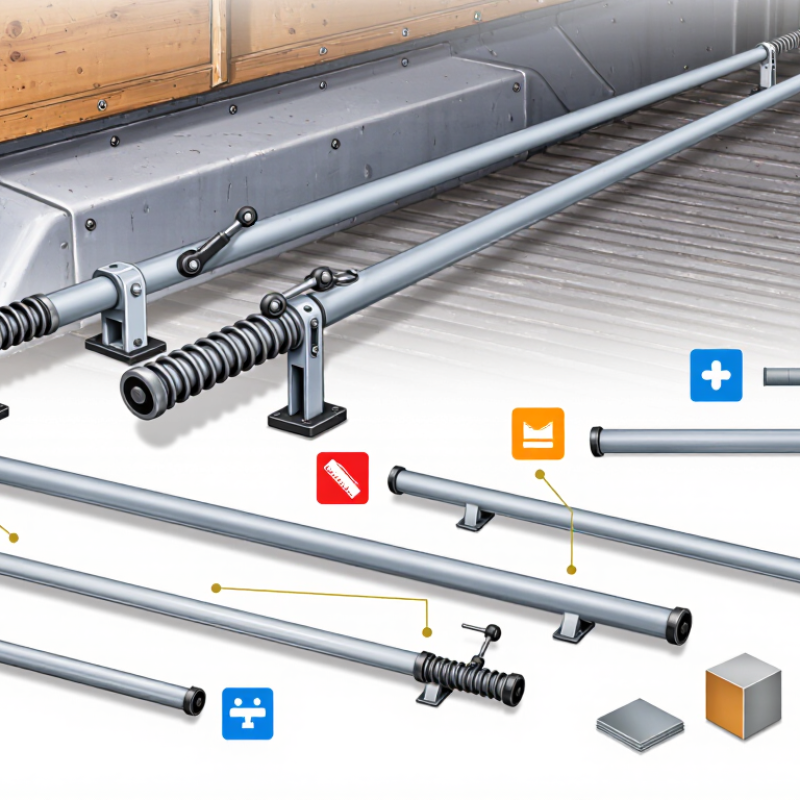
What Is the Best Cargo Load Bar for Trucks?

Cargo Load Bars for Trucks: Definition, Purpose, and How They Work

What Is the Best Cargo Load Bar for Trucks?

A cargo load bar is an adjustable brace that spans a truck bed or enclosed cargo area. It presses against opposing walls to help limit movement during turns, braking, and bumpy drives. Some models use a ratcheting handle; others lock with a twist mechanism. The bar creates pressure, not a permanent attachment. Its grip depends on the surface, correct adjustment, and the load it is designed to handle.

A load bar works best when positioned firmly against strong, flat sidewalls and close to the cargo it is meant to restrain. Check the bar’s stated capacity and inspect its feet, locking parts, and contact surfaces before each trip. One small detail matters: a dusty or uneven wall can reduce grip. Bars can also shift if cargo settles. They are useful support, but should not replace suitable tie-down straps when a load needs direct restraint.

Tips: Set the bar snugly, not excessively tight. Keep its feet clear of seams and fragile panels. After a short drive, stop safely and check whether the cargo or bar has moved. A quick recheck is easy to forget.

What Is the Best Cargo Load Bar for Trucks? — Cargo Load Bars for Trucks: Definition, Purpose, and How They Work

Comparison of common cargo load-bar types, their uses, and key selection factors.
Load-Bar Type Definition and How It Works Typical Construction Best Suited For Advantages What to Check Before Buying
Ratchet load bar An adjustable bar is placed across the truck body and extended with a ratchet mechanism until its end fittings press against the walls or cargo rails. Commonly steel or aluminum, with rubber-faced pads or fittings designed for E-track or other compatible anchor systems. Separating palletized freight or preventing loads from shifting across a van, box truck, or trailer. Quick to adjust and apply; useful when cargo positions change between trips. Measure the actual span between the intended contact points. Confirm the bar and fittings are compatible with the truck’s walls or track system.
Cam-buckle load bar A cam lever tensions the adjustable bar after it is positioned between opposing surfaces. Often aluminum or steel, with pads or track fittings selected for the vehicle interior. Frequent loading and unloading where quick release and straightforward adjustment are useful. Simple to operate and release; can be convenient for repeated repositioning. Check that the cam mechanism locks securely and that the contact surfaces will not slip on the vehicle walls.
Spring-loaded load bar An internal spring applies pressure when the bar is extended between opposing surfaces; some designs include a separate locking feature. Commonly tubular steel or aluminum with end pads. Light-duty cargo separation in spaces with suitable, sturdy opposing surfaces. Fast to position and remove, with few adjustment steps. Use only within the bar’s stated working limits. Spring pressure alone does not make a bar suitable for every load or vehicle surface.
Shoring beam A heavy-duty adjustable beam fits into compatible vertical logistics posts or track slots to create a barrier or support a decking level. Typically a reinforced metal beam with end fittings designed for a specific track or post system. Heavier freight, load separation, or multi-level cargo arrangements in vehicles equipped with compatible tracks. Can provide a more integrated restraint or support point than a friction-fit bar when correctly matched to the vehicle system. Verify track compatibility, beam position, and the manufacturer’s stated load rating for the complete system.
Best choice by situation There is no single best bar for every truck. Select a bar that fits the vehicle, cargo, and restraint plan. Mixed loads: adjustable ratchet bar. Rapid repositioning: cam-buckle bar. Compatible heavy-duty track system: shoring beam. Matching the bar to the cargo and truck helps improve stability and usability. Compare usable length, fitting type, rated capacity, condition, and compatibility—not appearance alone.
Safe-use essentials A load bar helps limit cargo movement but does not replace a complete cargo-securement plan. Use suitable straps, blocking, bracing, or other restraints as needed, and follow applicable regulations and the equipment manufacturer’s instructions. Do not exceed stated ratings or use a damaged bar.

Fit note: Adjustable lengths and load ratings vary by model. Measure the intended mounting span and consult the product specifications before choosing a bar.

Types of Load Bars: Ratchet, Shoring, and Track-Mounted Designs

Ratchet, shoring, and track-mounted bars solve different loading problems. Ratchet load bars telescope across a trailer and tighten against its walls, making them useful for bracing pallet rows. Shoring bars often sit between side rails or support cargo in tiers. Track-mounted bars lock into cargo tracks, allowing repeatable placement without relying only on wall pressure. The fit matters: a bar that is too short may slip, while a bar placed against weak packaging can crush it.

FMCSA’s cargo-securement criteria in 49 CFR 393.102 specify performance forces of 0.8g forward and 0.5g rearward and sideways. A load bar can help resist movement, but it is not automatically a complete securement system. Check the bar’s working load limit, end fittings, track compatibility, and the strength of the trailer structure. A tight handle is not proof of a secure load. That detail is easy to miss.

Tips: Match the bar to the trailer and cargo shape. Set it against stable surfaces, not loose cartons. After a short drive, inspect for shifting or loosened tension; real loads can settle in ways a neat loading plan does not predict.

Load-Bar Ratings: Check Manufacturer-Specified Working Load Limits

Choosing a truck cargo load bar starts with its manufacturer-stated working load limit (WLL), not its advertised breaking strength. WLL is the rated capacity for intended use; breaking strength describes failure under testing and is not a working target. Read the label and confirm the rating applies to the bar’s span and installation. Small detail, big difference. FMCSA’s cargo-securement requirements, in 49 CFR §393.102, set system performance benchmarks of 0.8 g forward and 0.5 g sideways or rearward. Those figures describe forces on the securement system, not the WLL of an individual load bar.

Treat those benchmarks as context, not a substitute for the manufacturer’s rating. Check the bar’s usable span, square contact, and whether its pads grip dusty or wet walls. Inspect the tube, locking mechanism, and end pads for bends, cracks, or missing parts before loading. CVSA’s North American Standard inspection materials also make securement condition part of the inspection; a readable label cannot make damaged equipment reliable. I would not treat the printed number as the whole answer. Recheck the bar after the first short drive, when freight may have settled and contact may have shifted. That check is easy to forget.

What Is the Best Cargo Load Bar for Trucks?

Compare the manufacturer-specified working load limit (WLL) on each bar’s label with the load you need to secure. The chart converts selected pound values to kilograms; these are reference points, not ratings for specific products.

Conversion uses 1 lb = 0.45359237 kg, rounded to the nearest kilogram. Always follow the product label and manufacturer’s instructions; do not choose a bar based on appearance alone.

FMCSA Securement Criteria: 0.8g Forward and 0.5g Sideways and Rearward

A cargo load bar can help control movement, but its presence alone does not establish securement. FMCSA’s performance criteria call for a securement system that can withstand forces of 0.8g forward and 0.5g sideways and rearward. These figures apply to the system as a whole, not to every bar as a stand-alone guarantee. A bar’s stated capacity cannot account for weak contact points, poor fit, or shifting cargo.

Choose a bar that fits the trailer’s interior width and is rated for the intended use. Set it against sound structural surfaces, not thin panels that may flex under pressure. Check that its feet sit flat and that the cargo cannot slide beneath or around it. For example, a narrow pallet with loose cartons may need blocking or additional restraints; one bar across the rear may leave side movement unchecked. Small gaps matter. Inspect the bar and cargo after loading, and recheck them during the trip when conditions allow. I have seen a snug-looking setup become less secure after packaging settled, so a quick visual check is useful—but it cannot replace a properly designed securement system.

Choosing a Cargo Load Bar: Match Its Rating, Fit, and Use to the Load

A cargo load bar is useful only when its rating suits the load and the way the truck will travel. Check the manufacturer’s stated capacity and conditions, including whether the rating applies to a specific extension length. A number alone does not tell the whole story. A bar holding light boxes on a smooth road faces different forces from one bracing dense equipment during frequent stops. Do not treat a load bar as a replacement for suitable tie-downs unless its instructions specifically allow that use. Leave a margin rather than working at the limit. Small details matter.

Fit comes next. Measure the space between the truck’s walls where the bar will sit, then compare it with the bar’s usable adjustment range. Avoid forcing it beyond that range; too little contact can let it slip, while excessive pressure may damage panels. Check that the feet sit flat on clean, sound surfaces, not on loose liners or sharp ridges. Set the bar against the cargo without crushing cartons or shifting fragile items. Give it a firm hand check, then inspect the load after a short drive. Recheck it. It is easy to assume a snug fit will stay snug, but vibration and settling can change the pressure.

Shopping Cart
Scroll to Top

Search for...

The Duravant family of operating companies serve the food processing, packaging and material handling segments.