

How to Choose the Best Mica Heater for Your Needs?
Choosing the right Mica Heater starts with the job it must perform, not the highest wattage on a product page. A compact unit warming a small enclosure faces different demands from one operating for long shifts near machinery. Check the available voltage, required heat output, mounting space, operating temperature, and expected duty cycle. Measure the installation area, too. A few millimeters can matter.
A practical reminder from Daniel Mercer, a fictional thermal-design specialist created for this introduction, is: “A heater is only as suitable as the conditions it must handle.” This is an illustrative line, not a sourced quotation. Use it as a prompt to check real specifications, supplier documentation, and application requirements before choosing. Look for clear information on insulation, temperature controls, construction, and service conditions. Ask the supplier how the unit performs in your intended setup. Small details matter. A heater that fits physically may still deliver uneven warmth or cycle more often than expected. There is no single best Mica Heater for every application; trade-offs are real, and product descriptions can leave questions unanswered. The sections ahead will help compare key features, match heater design to your needs, and identify what to verify before purchase. Be cautious where specifications are vague. A careful choice begins with evidence, not assumptions.
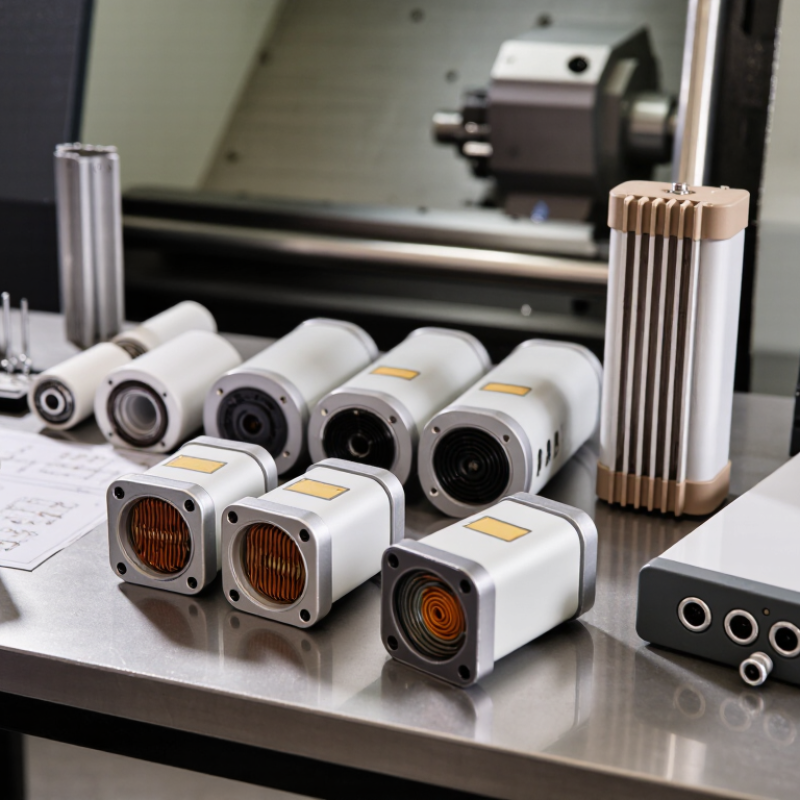
Understanding How Mica Heaters Work
A mica heater uses an electrical resistance element to produce heat. The element sits between or alongside thin mica sheets, which tolerate high temperatures and provide electrical insulation. When current passes through the element, it warms the mica. The heated surfaces then transfer warmth to nearby objects and the surrounding air. Many models rely on natural airflow rather than a fan, though designs differ. The room warms gradually. That sounds simple. It mostly is.
This design can feel responsive because the mica sheets heat up quickly, but room size and insulation still matter. In a drafty room, warmth may fade near a cold window. Check the heater’s rated output and compare it with the space you want to heat. Also look at thermostat controls, tip-over protection, and overheat shutoff. Keep the unit on a stable, open surface, away from curtains and furniture. Never cover it. A heater that feels efficient in a small study may struggle in a large living room. I’d avoid judging performance from a quick test alone; temperature, airflow, and placement can change what you notice.
How to Choose the Best Mica Heater for Your Needs? - Understanding How Mica Heaters Work
| Heater Type | How It Works | Best Suited For | Key Selection Factors | Practical Considerations |
|---|---|---|---|---|
| Mica band heater | An electrical resistance element is insulated by mica layers and assembled in a band that transfers heat to a cylindrical surface. | Heating barrels, pipes, nozzles, and other cylindrical equipment, including many plastic-processing applications. | Measure the equipment’s outside diameter and heated width. Check the required voltage, wattage, lead exit position, and mounting or clamping arrangement. | Close, even contact with the surface helps promote uniform heating. A loose fit, damaged insulation, or poor clamping can reduce heat transfer. |
| Mica strip heater | A resistance element sits between mica insulating layers in a narrow, flat assembly that heats an adjacent surface. | Long, narrow heating areas, machine components, and applications where a band-shaped heater will not fit. | Match the strip’s length, width, thickness, mounting method, and electrical rating to the available space and target surface. | Confirm that the mounting surface supports the heater evenly. Avoid bending or drilling the assembly unless its design specifically permits it. |
| Mica plate heater | A resistance element is insulated within a flat mica-based assembly, which transfers heat across a panel-like area. | Flat surfaces, platens, and equipment that needs a compact, broad-area heater. | Consider the plate dimensions, mounting points, heat distribution needs, supply voltage, and the temperature-control method. | Allow for thermal expansion and use appropriate temperature control. The heater’s output and allowable operating conditions depend on its construction. |
| Radiant mica panel | The heated surface emits infrared radiation as well as transferring heat to nearby surroundings. | Applications where objects or a nearby area need radiant heating rather than direct contact with a heater. | Check the required coverage area, installation distance, orientation, electrical rating, and whether shielding or guarding is needed. | Radiant performance depends on distance, surface orientation, and surrounding airflow. Protect people and materials from hot surfaces. |
How mica heaters work: Electric current passes through a resistance element, producing heat. Mica electrically insulates the element while allowing heat to pass through the heater assembly. Select the heater’s dimensions and electrical rating for the equipment and application; specifications and allowable temperatures vary by design.