How to Choose the Best PTFE Butterfly Valve?
Choosing the best ptfe butterfly valve requires more than comparing prices or reading a product label. The right valve must match the fluid, pressure, temperature, pipe size, and operating frequency. In chemical processing, water treatment, and industrial maintenance, small selection errors can create leaks, downtime, or premature lining damage. Material compatibility matters most. A PTFE seat can resist many corrosive media, but it is not automatically suitable for every concentration or temperature.
Start with the actual service conditions. Record the medium, working pressure, temperature range, flow direction, and expected cycling frequency. Check the valve body material, disc design, shaft construction, and sealing arrangement. A stainless-steel body may suit demanding environments, while ductile iron can provide a practical option for less aggressive systems. The actuator also deserves attention. Manual handles work for occasional adjustment, but pneumatic or electric actuation may improve control on frequently operated lines.
Details matter.
Reliable manufacturers should provide pressure ratings, temperature limits, dimensions, testing records, and installation guidance. Independent certifications may support quality claims, but certification alone does not prove application suitability. Ask how the PTFE seat was formed, inspected, and tested. Request evidence of leakage performance under realistic conditions. Many buyers focus on the valve body and overlook flange alignment, bolt tightening, or gasket selection. That decision can cause trouble later. Even experienced teams make assumptions. Reviewing actual operating history often reveals needs that a specification sheet misses. This guide explains the critical factors, common mistakes, and practical checks that support a safer, longer-lasting valve choice.
Understanding PTFE Butterfly Valve Design and Operating Principles
How to Choose the Best PTFE Butterfly Valve?
Understanding PTFE Butterfly Valve Design and Operating Principles
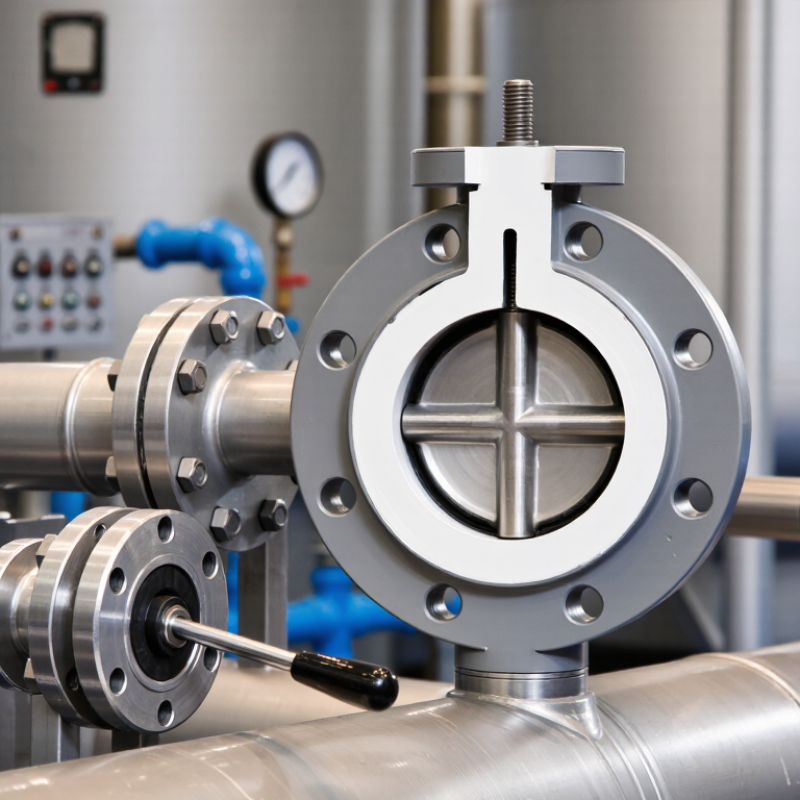
A PTFE butterfly valve uses a circular disc that rotates around a central stem. A quarter-turn moves the disc from fully open to fully closed. In the open position, the disc aligns with the pipeline and reduces flow resistance. When closed, the disc presses against the PTFE-lined sealing surface.
PTFE provides excellent resistance to many corrosive chemicals and creates a smooth, low-friction sealing interface. However, it is not a universal solution. Temperature, pressure, vacuum service, and chemical concentration can change its performance. PTFE may also experience cold flow under constant compression. That detail is easy to overlook.
Small details matter.
When selecting a valve, check the liner structure, disc material, shaft support, and pressure rating together. A strong disc cannot compensate for an unsuitable liner. The actuator must also provide enough torque for starting, seating, and emergency operation. Excessive torque can damage the seat, especially during frequent cycling.
Practical inspection should include flange alignment and pipe cleanliness. Sharp particles can scratch the sealing surface during the first operation. The valve should not carry unsupported pipe weight. This mistake still appears in real installations. I would also verify compatibility using current chemical data, not memory or a general material chart. The best design is the one matched to the actual medium, operating temperature, cycling frequency, and maintenance conditions.
How to Choose the Best PTFE Butterfly Valve?
Understanding PTFE butterfly valve design and operating principles starts with checking the seat material, temperature range, chemical compatibility, and pressure conditions.
The chart shows typical reference temperature ranges for commonly used PTFE seat constructions. Standard PTFE is suitable for many corrosive fluids, while modified and reinforced PTFE may provide improved mechanical stability at higher temperatures. Actual limits depend on pressure, medium concentration, cycling frequency, valve design, and manufacturer specifications.
Defining Process Conditions and Valve Performance Requirements
Choosing the best PTFE butterfly valve starts with defining the process, not browsing valve catalogs. Record the medium, temperature, pressure, flow rate, pipe size, and operating frequency. Chemicals may appear harmless at room temperature but become aggressive when heated. PTFE offers strong chemical resistance, yet its limits still depend on pressure and temperature. Check the complete operating range.
Consider whether the valve controls, isolates, or protects the process. A throttling application needs stable positioning and suitable torque. An isolation valve needs reliable shutoff and compatible seat sealing. Pressure drop also matters. A valve that is too small may restrict flow and increase pump energy. A valve that is too large may operate poorly near the closed position. Sizing by pipe diameter alone is tempting, but often wrong. Real systems rarely match drawings, so verify field measurements and actual operating data.
Tips: Confirm the medium’s chemical concentration and temperature. Check shaft torque against actuator capacity. Review seat leakage requirements. Ask for material certificates and pressure-test records. Inspect flange alignment before installation. Small misalignment can damage the PTFE seat. A practical trial with clean water may reveal mechanical problems, but it cannot prove chemical compatibility. That distinction is easy to miss. Recheck the decision when process conditions change; the original selection may no longer be suitable.
Comparing PTFE Lining Materials and Valve Construction Options
How to Choose the Best PTFE Butterfly Valve?
PTFE lining material directly affects chemical resistance, service life, and operating stability. Virgin PTFE handles many corrosive fluids and offers a clean, low-friction surface. However, it can deform under sustained pressure or elevated temperatures. Modified PTFE usually provides better creep resistance, making it useful for frequent cycling and tighter sealing demands. Filled PTFE may improve wear performance, but its additives can change chemical compatibility. Always check the manufacturer’s temperature, pressure, and fluid charts.
Construction matters just as much as the lining. A wafer body suits compact piping, while lug or flanged designs support easier removal and maintenance. The disc edge should move smoothly without scraping the liner. A protected stem reduces fluid exposure and helps prevent leakage around the shaft. For vacuum service, confirm that the liner and body support the required pressure direction. Small details matter.
In field selection, operators often focus on the PTFE grade and overlook the valve’s pressure rating. That is a costly mistake. Review cycle frequency, pipe alignment, torque requirements, and installation space together. A thicker liner is not automatically better. It may increase operating torque or reduce flow area. Conversely, a lightweight design may wear faster in abrasive service. I would also question any selection based only on catalog temperature limits. Real fluids, cycling, and imperfect installation can change performance. Test data from the actual service condition remains the most dependable guide.
Evaluating Pressure, Temperature, Size, and Compatibility Ratings
Pressure and temperature ratings should guide the first shortlist. ASME B16.34 pressure-temperature tables show that allowable pressure changes as temperature rises; a Class 150 valve is not rated identically at every temperature. PTFE melts near 327°C, yet fluoropolymer engineering data commonly limits continuous service to approximately 260°C. That gap matters. Hot steam, cycling, and compression can accelerate seat creep. In plant reviews, a valve may pass a cold-water test but leak after repeated heat cycles. Test the real operating range, not only the design maximum.
Size selection requires more than matching the pipeline diameter. ISO 5752 provides face-to-face dimensions, while API 609 covers butterfly valve design and pressure testing practices. Check the valve’s flow coefficient, disc clearance, and expected velocity. An oversized valve may operate almost closed, causing unstable control and uneven seat wear. An undersized valve can create excessive pressure loss. It sounds obvious, but it is often missed. Record normal, minimum, and emergency flow conditions before choosing the bore.
Compatibility includes the liner, seat, disc, stem, and elastomers. PTFE resists many acids, solvents, and corrosive liquids, but compatibility tables are not universal guarantees. High-pressure gases may permeate PTFE, while abrasive slurries can damage its sealing surface. Cross-check the chemical concentration, temperature, exposure time, and cleaning chemicals against ASTM and supplier test data. I would also question vague “chemical resistant” claims. They are convenient, but incomplete. Insist on documented pressure, temperature, dimensional, and material ratings for the exact service.
Selecting Reliable Suppliers and Planning Installation and Maintenance
Choosing a PTFE butterfly valve requires more than comparing price and size. The supplier should provide pressure ratings, temperature limits, material certificates, and tested leakage data. Ask how the PTFE lining is formed and inspected. Small defects around the disc edge can cause early leakage.
Reliable suppliers also offer traceable drawings, clear delivery records, and practical technical support. Check whether the valve suits the medium, pipe material, and operating frequency. A valve for clean water may not fit corrosive chemicals or abrasive mixtures. Request samples of inspection reports. Vague answers are warning signs.
Installation planning deserves equal attention. Clean the flange faces and align the pipe before tightening bolts. Uneven pressure can distort the liner. Keep the disc partly open during installation, then operate it slowly after testing. Verify actuator torque and confirm full closure without forcing the handle. Do not bury inspection points behind insulation too early.
Maintenance should follow actual service conditions, not a generic calendar. Inspect the stem, flange bolts, seat area, and actuator response during scheduled shutdowns. Record operating temperature, cycle count, and any unusual resistance. Short records help.
One practical mistake is assuming a PTFE seat needs no attention. It can age through heat, pressure, and repeated cycling. Another mistake is replacing parts without checking alignment. A careful supplier should explain these limits and support corrective decisions. The plan may need revision after the first inspection.



















