

What Is a Combination Sweeper Scrubber Used For?
A Combination Sweeper Scrubber is designed to remove loose debris and wash hard floors in one coordinated pass. It can sweep dust, grit, and small litter while applying cleaning solution, scrubbing the surface, and recovering dirty water. The result is a practical option for large indoor spaces where separate cleaning passes take time. Think of a warehouse aisle after a busy shift: tire marks, fine dust, and scattered packaging may all need attention.
Maya Chen, a fictional composite floor-care specialist, offers this illustrative observation: “The machine saves a pass, but it still needs the right brush, water setting, and operator.” This is not a verified quotation from a real expert. The point is useful: performance depends on matching the machine to the floor, soil, and daily workload. A retail store, factory, and distribution center may need different settings.
This equipment is commonly used in warehouses, production areas, supermarkets, and other broad, hard-floor environments. It can help control dust and leave floors cleaner and drier than sweeping alone. But it is not a cure-all. Tight corners, heavy debris, or unsuitable floor finishes may require another tool or a slower approach. That matters. Before choosing a model, consider aisle width, cleaning hours, water capacity, and service support. Real-world results can be less tidy than a product brochure suggests.
What a Combination Sweeper Scrubber Is
What Is a Combination Sweeper Scrubber Used For?
What a Combination Sweeper Scrubber Is
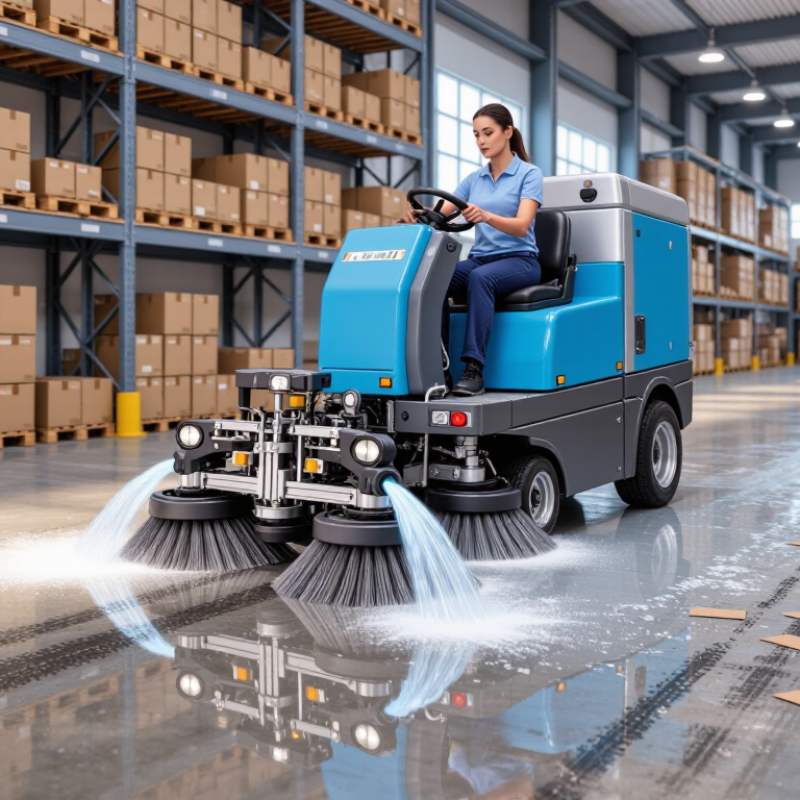
A combination sweeper scrubber is a powered floor machine that collects loose debris and washes hard surfaces in one pass. A front brush gathers dust, grit, and small scraps. Behind it, water and cleaning solution loosen stuck-on soil, while a squeegee pulls dirty liquid into a recovery tank. The exact setup varies by machine. It is commonly used in warehouses, factories, loading areas, and large retail spaces where sweeping and mopping separately take time.
One pass. Less loose grit pushed through wet cleaning.
The U.S. Energy Information Administration’s 2018 Commercial Buildings Energy Consumption Survey counted about 5.9 million commercial buildings, covering roughly 97 billion square feet. That scale helps explain the need for efficient floor-care equipment. Still, a combination machine is not a cure-all: bulky waste, corners, and very sticky spills may need separate attention. Operators should match brush type, water flow, and travel speed to the floor and soil. Too much solution can leave streaks or a slippery finish.
Tips: Pick up cables and large debris before operating. Test the cleaning solution on a small area, and check the recovery tank during use. Slow down around tight turns. It takes a little practice.

How Its Sweeping and Scrubbing Systems Work
What Is a Combination Sweeper Scrubber Used For?
How Its Sweeping and Scrubbing Systems Work
A combination sweeper scrubber collects loose debris and washes the remaining soil in one pass. Depending on its design, side or cylindrical brushes move grit, leaves, and packaging into a hopper. Then scrub brushes work against the floor with cleaning solution. A vacuum system draws the dirty liquid through a rear squeegee into a recovery tank. The sequence sounds simple. Real floors are less predictable. Wet debris can smear, and heavy grit may need a separate pass.
Operators can adjust brush pressure, solution flow, and travel speed to suit the floor and soil. Too much solution may leave damp tracks; too little can reduce soil removal. Check the recovery tank and squeegee regularly, especially near corners, where water can remain. ISSA’s Value of Clean research found that 94% of consumers would avoid a business in the future after encountering a dirty restroom. That finding is about facility cleanliness, not machine performance, but it shows why consistent floor care matters. A combination unit saves a pass, not judgment. Sticky spills or embedded grime may still need pre-treatment.
Which Surfaces and Debris It Can Clean
A combination sweeper scrubber is designed for hard floors that collect both loose debris and stuck-on soil. On sealed concrete, warehouse floors, and suitable tile, its sweeping section gathers dust, grit, leaves, and small bits of paper or packaging. The scrubber then uses water, cleaning solution, and brushes or pads to loosen everyday grime. It can leave a cleaner, more controlled path than dry sweeping alone. Not every floor responds the same way.
Tips: Check that the floor is sealed and compatible with the machine’s brush and cleaning solution. Pick up bulky scraps first. A handful of gravel or tangled packaging can interfere with cleaning.
These machines are useful in wide indoor areas where dust and light spills appear together, such as loading zones and corridors. They are generally not meant for carpet, deep mud, or large loose debris. Sticky residue may need a slower pass, and some marks will still require spot cleaning. In practice, results depend on the floor’s texture, the amount of soil, and how quickly the operator adjusts water flow and brush pressure. It takes a little judgment. A rushed pass can leave damp streaks or missed edges.
What Is a Combination Sweeper Scrubber Used For?
Typical cleaning capability by debris or soil type
Combination sweeper scrubbers are designed to collect loose dry debris and scrub hard floors to remove wet soil in the same cleaning pass. Carpet is generally outside their intended use. Capabilities vary by machine, brush setup, and cleaning solution; large debris may need to be picked up separately.
Where Combination Sweeper Scrubbers Are Used
What Is a Combination Sweeper Scrubber Used For?
Where Combination Sweeper Scrubbers Are Used
Combination sweeper scrubbers are useful in large indoor spaces where loose debris and tracked-in dirt collect on hard floors. Warehouses are a common setting. A machine can gather dust, grit, and small scraps before washing the floor in the same pass. That saves time. It also reduces the need to sweep separately before scrubbing.
Retail stores, school corridors, factory floors, and transport facilities may benefit from this equipment, especially across broad, open areas. In a warehouse, for example, it can follow long aisles where forklift tires leave dark marks and fine dust settles near loading zones. In a supermarket, it can help maintain clean floors between busy periods. Operators still need to plan around shelves, customers, and narrow corners.
These machines are not ideal for every surface or mess. Tight rooms may be easier to clean with smaller equipment, and heavy debris can require removal before a pass. Floor type matters, too; settings and cleaning solutions should suit the surface. A damp patch can linger if the machine moves too quickly or the floor is uneven. Results depend on setup, maintenance, and careful operation—not just the machine.
Key Benefits and Operating Considerations
A combination sweeper scrubber collects loose dust and debris, then washes and recovers dirty water in one pass. It suits large, hard-floor areas such as warehouses, loading bays, and supermarkets. In a busy aisle, it can pick up grit before the brushes spread cleaning solution, leaving less moisture behind than a poorly controlled mop-and-bucket routine. Still, it is not a cure-all: bulky debris, tight corners, and uneven floors may need separate attention.
ISSA’s 612 Cleaning Times provides production-rate benchmarks for floor-care tasks, including automatic scrubbing. Walk-behind machines can cover roughly 20,000–40,000 square feet per hour under favorable conditions; this is a planning range, not a guarantee. Aisle congestion, soil level, turning, and tank refills all reduce real output. Operators should match brush pressure and solution flow to the floor, inspect the squeegee, and empty recovery tanks before dirty water leaves streaks. Small details matter.
Tips: Clear larger debris first. Test the cleaning solution on a discreet patch, and follow the floor-care and machine instructions. Track actual area cleaned per shift; the first estimate may be optimistic. A clean-looking floor can still be wet, so check drying time before reopening the lane.
What Is a Combination Sweeper Scrubber Used For? - Key Benefits and Operating Considerations
| Dimension | Typical Use or Benefit | Operating Consideration |
|---|---|---|
| Core function | Combines mechanical sweeping with wet scrubbing in one floor-cleaning pass. The sweeping system collects loose debris while brushes and cleaning solution address adhered soil. | Check the machine’s operating sequence and settings; some models sweep and scrub simultaneously, while others allow the functions to be adjusted separately. |
| Loose debris | Suitable for dust, grit, small scraps, and other loose debris commonly found in warehouses, manufacturing areas, and large commercial spaces. | Large, bulky, or tangled debris may need to be removed manually first to prevent blockages or damage. |
| Floor soil | Scrubbing can remove tracked-in dirt and many routine surface soils from compatible hard floors, such as sealed concrete, vinyl, or tile. | Confirm that the floor finish, brush or pad, and cleaning solution are compatible. Test unfamiliar surfaces in a discreet area. |
| Typical locations | Often used in broad, hard-floor areas such as distribution centers, production facilities, retail backrooms, and transport terminals. | Consider aisle width, turning space, floor slope, traffic, and access to charging or refilling points when selecting a machine. |
| Cleaning efficiency | Combining tasks can reduce separate sweeping and scrubbing passes, helping streamline routine floor maintenance. | Actual productivity depends on debris load, floor condition, cleaning path, machine width, operator speed, and how often tanks or hoppers need attention. |
| Water and solution use | Solution is applied to the floor during scrubbing, and a recovery system typically collects the resulting dirty water. | Use the specified solution concentration, avoid over-wetting, and empty and rinse recovery tanks as required to help prevent odors and residue buildup. |
| Drying and slip control | A functioning squeegee and recovery system can remove much of the wash water, leaving the floor drier than wet mopping alone. | Inspect squeegee blades and recovery hoses. Use warning signs and manage pedestrian traffic until the floor is safe and dry. |
| Debris and wastewater handling | Separate collection systems may capture swept solids and recover dirty wash water, reducing the need for separate cleaning equipment. | Empty the debris hopper and dispose of recovered water according to site rules and applicable local requirements. |
| Routine preparation | Pre-use checks help ensure the brushes, solution delivery, suction, and debris collection systems are ready for work. | Check battery charge or fuel, brushes or pads, squeegee condition, filters, hoses, tanks, and hopper before operating. |
| After-use care | Regular cleaning and inspection help maintain cleaning performance and reduce avoidable wear. | Follow the operator manual for tank rinsing, debris removal, battery charging or refueling, and storage. Do not leave cleaning solution in tanks longer than recommended. |
| Not a substitute for every task | Best suited to routine maintenance on compatible hard floors where loose debris and surface soil are both present. | It may not replace specialized equipment for carpet, heavy spills, hazardous materials, deep floor restoration, or debris beyond the machine’s capacity. |
Selection tip: Match the machine to the floor type, cleaning frequency, debris level, area size, and available operator training. Always follow the equipment manual and site safety procedures.