Top Commercial Food Processing Equipment Trends for 2026?
The landscape of Commercial Food Processing Equipment is rapidly evolving. As the industry navigates through technological advancements, consumer demands, and sustainability concerns, key trends are emerging. The ability to adapt to these shifts will define success for food processors in 2026.
Innovative equipment plays a crucial role in enhancing efficiency. Automation and smart technology are becoming integral to food processing. Automated systems improve consistency and reduce labor costs. The challenge lies in integrating these advanced tools within existing operations. Many companies struggle to balance modernization with traditional methods.
Sustainability is also driving change in the commercial food processing sector. Eco-friendly materials and processes are increasingly favored. Yet, not all businesses have embraced these practices. Some still rely on outdated equipment that harms the environment. This reluctance can hinder growth and innovation. Addressing these issues is vital as the industry prepares for the future.
Advancements in Automation and Robotics in Food Processing Equipment
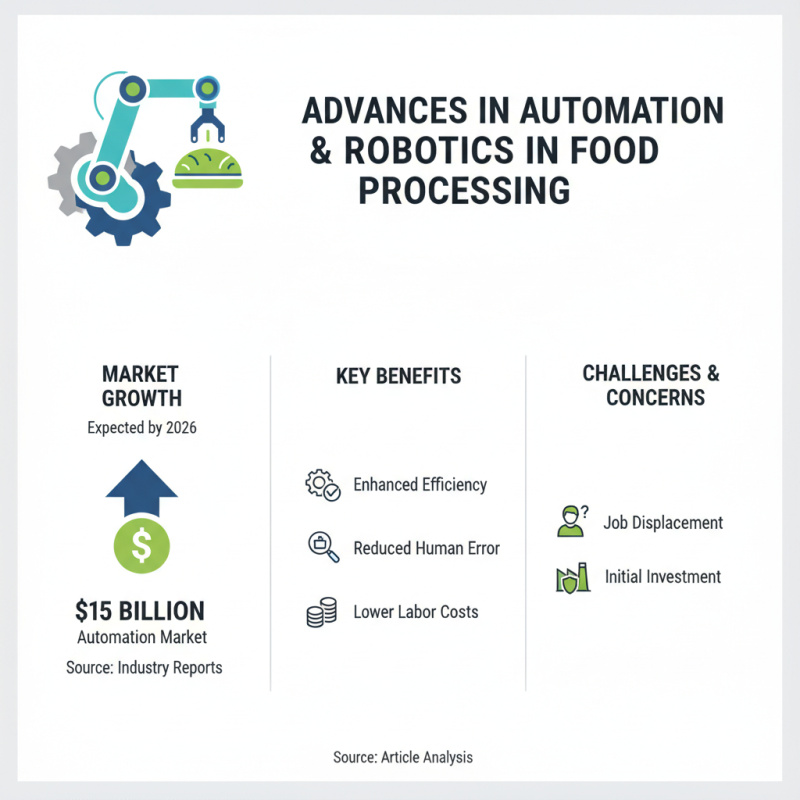
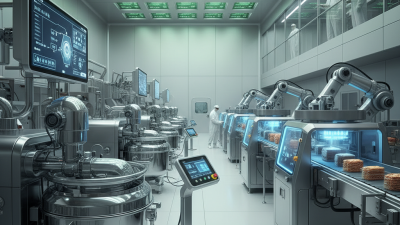
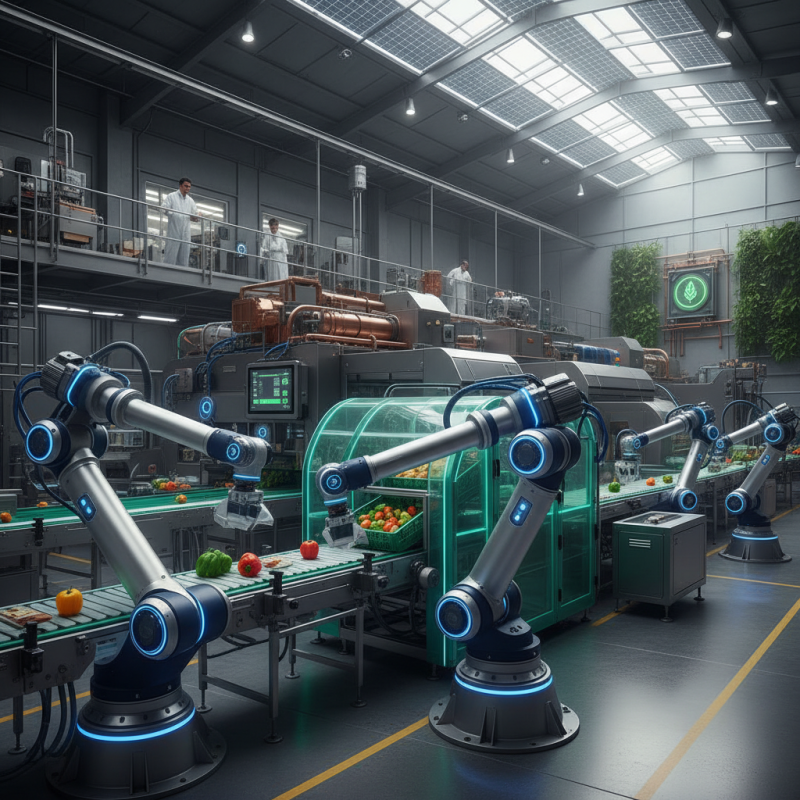
The food processing industry is undergoing significant changes, driven by advancements in automation and robotics. Industry reports indicate that the market for automation in food processing is expected to reach $15 billion by 2026, reflecting a growing reliance on technology to enhance efficiency and reduce labor costs. Automation reduces human error in food production, but it raises concerns about job displacement.
Robotic systems are now able to handle delicate tasks, such as sorting and packaging, with remarkable precision. For instance, automated picking systems can operate at speeds surpassing human capabilities. According to a recent survey, 65% of food manufacturers plan to invest in robotics over the next few years. However, there is still a need for skilled workers who can maintain and program these systems. This dual requirement poses a challenge for the industry.
Despite the benefits, the transition to more automated processes is not without pitfalls. Companies often face integration issues between new technology and existing systems. Additionally, the high initial costs of robotics can deter some smaller enterprises from adopting these innovations. As the industry evolves, a balance between automation and workforce development will be crucial for sustainable growth.
Sustainable Practices in Commercial Food Equipment for 2026
In 2026, sustainable practices in commercial food processing equipment are set to become central to industry innovation. Recent reports indicate that nearly 75% of food processors prioritize energy-efficient technologies. This shift reflects a growing awareness of environmental impact. Equipment that reduces energy consumption not only benefits the planet but also lowers operational costs.
Adaptive equipment design is crucial. Many processors are turning to modular systems that allow for easy upgrades or repairs. This approach reduces waste. A study showed that companies using modular designs see a 30% decrease in equipment-related waste. Flexibility in production lines also supports diverse dietary trends. This adaptability can be challenging; for example, some organizations struggle with supply chain disruptions.
Investing in equipment made from sustainable materials has increased as well. Reports indicate that over 50% of processors focus on eco-friendly materials. However, there are hurdles in sourcing these materials responsibly. Quality control can suffer if rushed. The need for sustainable solutions is clear, yet balancing performance and environmental responsibility remains a complex issue. As we look ahead, collaboration and innovation will be key in overcoming these challenges.
Emerging Technologies: AI and IoT in Food Processing Machinery
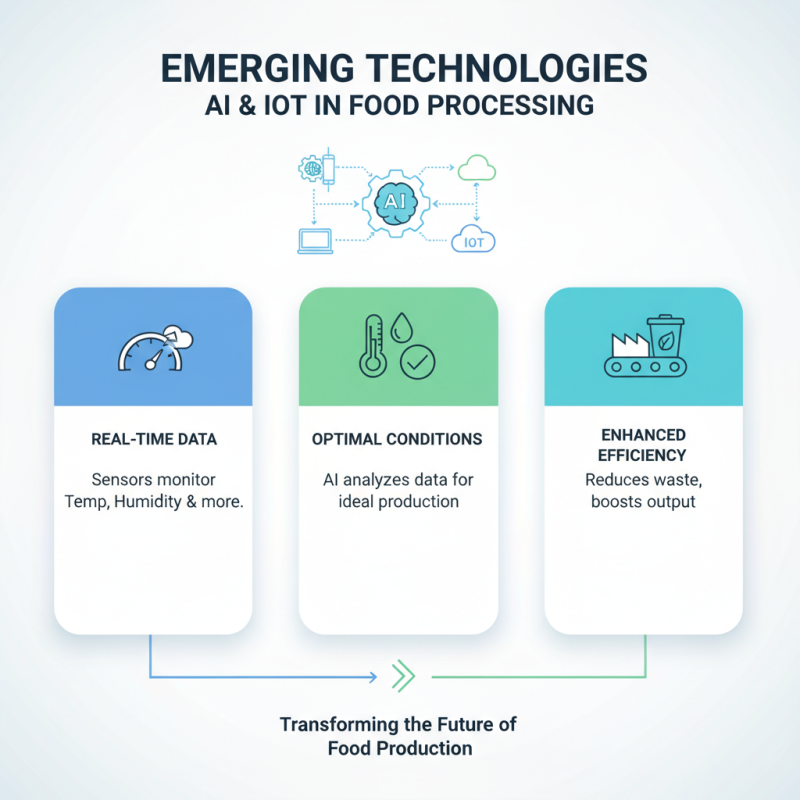
The integration of artificial intelligence (AI) and the Internet of Things (IoT) in food processing machinery is transforming the industry. These technologies enable real-time data collection and analysis, which enhances operational efficiency. Sensors in the equipment monitor temperature, humidity, and other critical factors during production. This ensures optimal conditions and helps reduce waste.
AI algorithms can predict equipment failures before they occur. This predictive maintenance leads to lower downtime and cost savings. Food processors can adjust their operations based on data-driven insights. However, the reliance on technology raises concerns about cybersecurity and data privacy. Protecting sensitive information from breaches is crucial for maintaining trust.
As food processing evolves, the challenges of integrating AI and IoT will need addressing. Companies must invest in training their workforce to effectively use these technologies. Understanding the balance between automation and human oversight remains essential. Data overload may also confuse decision-making processes. Addressing these concerns is vital for maximizing the benefits of emerging technologies in food processing.
Market Growth Trends: Investment in Food Processing Innovation
The food processing sector is poised for rapid growth by 2026, driven by increased investment in innovative technologies. The global food processing equipment market is projected to reach $135 billion by 2026, reflecting a compound annual growth rate of around 6.5% from 2021. This growth is fueled by the rising demand for processed foods and the need for efficient production methods.
Investment in automation technology is particularly noteworthy. According to a recent industry analysis, automation can enhance production efficiency by over 30%. This translates into significant labor cost savings and increased throughput. However, the transition to automated systems can be challenging. Companies must address workforce training needs and the potential for disruption during implementation.
Sustainability is another critical trend shaping the market. Many companies are prioritizing energy-efficient equipment. Reports suggest investments in eco-friendly machinery can reduce energy costs by up to 20%. However, not all businesses are ready to embrace these changes. The initial costs can be daunting, and some may hesitate to invest without guaranteed returns. Balancing innovation and financial viability will be crucial for stakeholders in the coming years.
Top Commercial Food Processing Equipment Trends for 2026
| Trend |
Description |
Projected Market Growth (%) |
Key Benefits |
| Automation and Robotics |
Increased use of automated systems for efficiency. |
15% |
Reduces labor costs, enhances precision. |
| Sustainability Practices |
Focus on eco-friendly materials and processes. |
20% |
Decreases environmental impact. |
| Smart Technology Integration |
Utilizing IoT and AI for predictive maintenance. |
18% |
Enhances operational efficiency, reduces downtime. |
| Food Safety Innovations |
Advanced technologies to ensure food safety. |
10% |
Improves consumer trust and compliance. |
| Energy Efficiency |
Upgrading equipment for lower energy usage. |
12% |
Reduces operational costs, lowers carbon footprint. |
Impact of Regulatory Changes on Food Processing Equipment Trends
Regulatory changes are shaping the future of food processing equipment. New standards focus on safety, efficiency, and sustainability. These updates demand manufacturers to innovate constantly. Compliance can be complex, often leading to confusion. Nevertheless, businesses must adapt or face penalties.
Equipment designed to meet these standards can improve operational efficiency. For example, modern sensors monitor temperature and humidity in real-time. This technology ensures food safety while minimizing waste. It reduces downtime caused by equipment failures. However, not all companies are prepared to invest in these advancements.
The emphasis on sustainability is also rising. Regulations encourage the use of eco-friendly materials and energy-efficient designs. Firms must reconsider their supply chains and manufacturing processes. Some may struggle with these transitions, facing budget constraints or resistance to change. Nonetheless, the industry has an opportunity to lead by example in promoting responsible practices.