Why Do Disposable Food Containers Develop Mold?
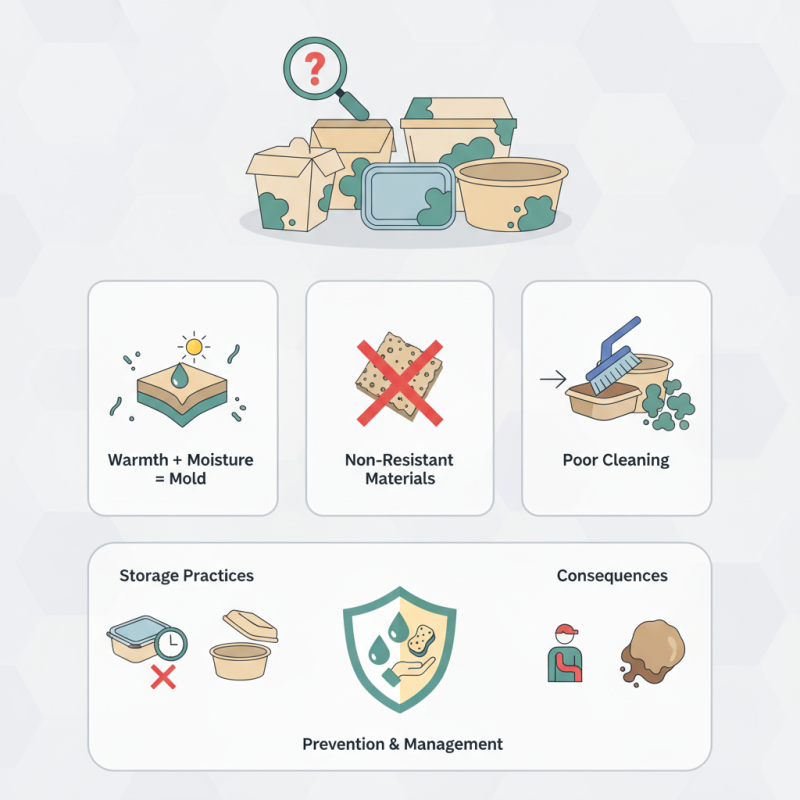
Disposable food containers are convenient for many. However, they often develop mold, raising concerns for consumers. Dr. Emily Larson, a food safety expert, once said, "Mold thrives in damp environments, even in your lunchbox." This statement underscores the importance of understanding Disposable Food Container Mold.
Many factors contribute to mold growth in these containers. Residual food moisture, combined with warm temperatures, creates an ideal breeding ground. Additionally, the materials used in disposable containers may not always be mold-resistant. Often, people overlook proper cleaning methods, allowing mold spores to flourish unnoticed.
It's essential to pay attention to storage practices. Leaving containers sealed for too long encourages mold growth. The consequences can be serious, affecting health and food quality. Being aware of these issues is the first step toward prevention. The challenge remains: How can we effectively manage Disposable Food Container Mold in everyday situations?
Understanding Mold: The Science Behind Its Growth in Disposable Containers
Mold thrives in many environments, including disposable food containers. Understanding its growth requires looking at key factors. Moisture plays a crucial role. When food is stored, moisture from leftovers can create a perfect breeding ground. The tiny spores are often already present in the air, waiting for the right conditions.
Temperature is another factor. Mold prefers warm places. Containers left in hot areas can accelerate mold growth. Even small variations in temperature can make a big difference. While convenient, disposable containers lack the airtight seals of durable options. This makes them more vulnerable.
Not all disposable containers are the same. Some materials are more prone to absorb moisture. If not cleaned properly, residual food remains can become breeding grounds. Over time, this can lead to visible mold. It’s a reminder that even seemingly simple solutions have complexities. Avoiding mold is a battle against both time and environment.
Common Types of Disposable Food Containers Susceptible to Mold
Disposable food containers are convenient but often develop mold. This issue is especially common in specific types of materials. For example, containers made from biodegradable plastics are more prone to mold growth. These materials break down more easily, creating an environment conducive to mold. A study by the Food and Agriculture Organization states that certain biodegradable plastics can harbor more bacteria than traditional plastics.
Foam containers, commonly used for takeout, are also susceptible. They trap moisture, which is a key factor in mold development. An analysis by the Institute of Food Technologists found that foam containers can retain moisture levels above 20%, a threshold favored by mold spores. Even seemingly harmless deli containers can present risks. Their often porous surfaces may create microenvironments ideal for mold.
While these containers can be convenient, they lack the durability of other materials. Mold development can lead to food spoilage and potential health risks. It’s crucial to monitor food storage conditions closely. Keeping your food fresh demands attention to the type of container you choose. It’s often overlooked that the quality of the container impacts not just preservation but health as well.
Factors That Contribute to Mold Development in Food Containers
Mold in disposable food containers can be a frustrating problem. Several factors contribute to the growth of mold. One key issue is moisture. Even small amounts of leftover liquid can create an ideal environment for mold. After washing, if containers aren’t dried properly, they may trap moisture. This situation invites mold spores to settle and thrive.
Another factor is temperature. Warm temperatures, especially during storage, encourage mold growth. When containers are kept in warm, humid areas, like kitchens, they are more susceptible. Food residue is another culprit. Bits of food left behind act as nutrients for mold. It’s essential to clean containers thoroughly. Yet, people often overlook this step. They assume a quick rinse is enough, but that’s rarely true. Mold can grow quickly, often within days, if conditions are right.
Prevention Methods to Reduce Mold Growth in Disposable Containers
Mold growth in disposable food containers often stems from improper storage and moisture retention. Research indicates that nearly 45% of foodborne illnesses are linked to mold contamination. Many people don't recognize mold as a serious threat. This oversight can lead to health issues.
Preventing mold requires strategic storage solutions. Ensure that containers are completely dry before use. Even small amounts of moisture can create an ideal breeding ground for mold. Additionally, store food at lower temperatures. The USDA states that temperatures below 40°F can significantly slow down mold growth. Avoid stacking containers while they're still warm. This practice can trap heat and moisture, accelerating mold development.
Consider the materials of the containers themselves. Some plastics can contribute to mold retention. It’s essential to choose suitable disposable options. Regularly check for signs of mold and dispose of any containers that show growth. Taking these steps can help maintain food safety and minimize health risks associated with mold exposure. Ensure to educate others about the importance of these preventative measures, as awareness is key.
Why Do Disposable Food Containers Develop Mold? - Prevention Methods to Reduce Mold Growth in Disposable Containers
| Condition | Mold Risk Level | Prevention Method |
| Moisture Exposure | High | Keep dry and store in a cool area |
| Warm Environment | Medium | Store at lower room temperatures |
| Food Residue | High | Thoroughly clean containers after use |
| Air Exposure | Medium | Seal tightly when storing |
| Container Material | Variable | Use high-quality, mold-resistant materials |
Health Risks Associated with Moldy Disposable Food Containers
Mold can easily develop in disposable food containers. These containers are often used once and thrown away, making them convenient. However, this convenience comes with hidden dangers. Mold thrives in warm, moist environments, often found in leftover food. Even small amounts of food residue create perfect conditions for mold growth.
Health risks are significant. Mold can cause allergic reactions and respiratory issues. Symptoms may include sneezing, coughing, and skin irritation. Some molds produce harmful toxins, which can lead to severe health issues over time. Individuals with weakened immune systems are especially vulnerable. It's important to remember that mold spores can spread quickly in food storage areas, leading to contamination.
Cleaning disposable containers thoroughly can be challenging. It’s easy to overlook small spots that harbor mold. One might think that a quick rinse is enough, but it often isn't. Proper hygiene practices are essential to minimize exposure. Avoid storing food in these containers for too long. Always inspect them before use. Taking care with food storage can help protect health and prevent mold exposure.