

How to Choose a Compression Molding Machine in 2026?

Choosing a Compression Molding Machine in 2026 means matching equipment to the part, material, and production target—not simply buying the highest-tonnage press. Grand View Research estimated the global composites market at USD 94.5 billion in 2023 and projected a 7.3% compound annual growth rate from 2024 to 2030. That is a materials-market forecast, not a machine-sales forecast, but it signals why manufacturers should examine capacity and process flexibility carefully.

Start with the component. A shallow electrical enclosure and a thick structural panel place very different demands on mold area, daylight, heating, and pressure control. Check the required tonnage against the actual projected area and compound behavior. Then assess cycle time, temperature uniformity, loading method, and the machine’s ability to hold repeatable settings across shifts. Small variations matter. A few degrees of uneven mold temperature can leave visible defects or inconsistent curing.

Look beyond the purchase price. Compare energy use, tooling changeover time, maintenance access, operator workload, and availability of local service. Ask suppliers for trials using your own compound and mold; request cycle records and part-quality results, not just brochure specifications. The right choice depends on evidence from your process.

A named expert quotation is not included because no verifiable quotation source was provided. Adding an unverified attribution would weaken the reliability of this guide.
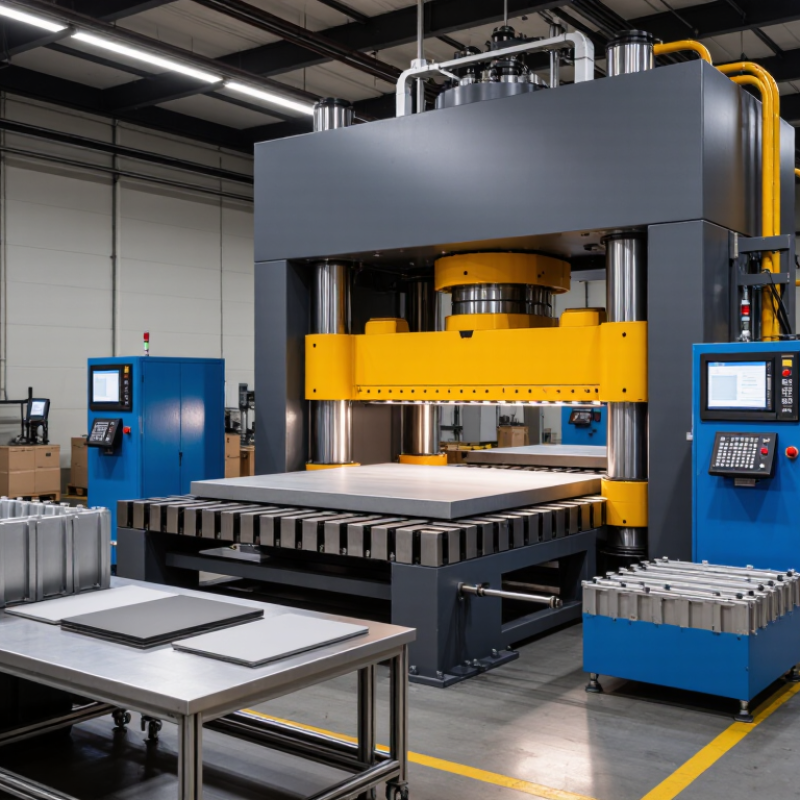
How to Choose a Compression Molding Machine in 2026?

Define Production Requirements and Compression Molding Applications

How to Choose a Compression Molding Machine in 2026?

Define Production Requirements and Compression Molding Applications

Start with the part, not the machine catalog. List the material, finished dimensions, wall thickness, and expected production volume. A rubber seal, a thermoset electrical housing, and a composite panel place different demands on mold layout, heating, and cycle control. Small details matter. Note features such as ribs, inserts, deep sections, and tight cosmetic surfaces; they can affect how material flows and where defects appear.

Estimate the required clamping force from the projected mold area and the pressure needed for the material and part geometry. Then check platen size, daylight, stroke, and mold-heating capacity against the actual tool. A machine that meets a tonnage target may still be unsuitable if the mold cannot fit or the part needs a longer cure. Ask suppliers for cycle assumptions and test data using comparable materials. Generic cycle estimates are only a starting point.

Production planning should include changeovers, operator handling, scrap, and maintenance—not just peak output. For a short run, flexible controls and easier mold access may matter more than maximum speed. For steady, high-volume production, repeatable temperature and pressure control become critical. I have seen specifications look convincing on paper while overlooking loading time. That deserves a second look. Confirm the requirements with sample parts and a realistic trial before finalizing the machine size.


Match Machine Configuration to Materials and Part Geometry

A compression molding machine should fit the material’s flow and cure behavior, not just its rated tonnage. For thermoset compounds, stable platen heating and accurate temperature control help the charge cure evenly. A stiff, high-viscosity compound may need a slower closing profile so it can fill ribs and corners before curing. Short-fiber materials can wear tooling, so surface durability and straightforward mold access deserve attention. Small details matter.

Part geometry sets the next requirements. A broad, shallow panel needs even pressure across the platen, while a deep enclosure may require more daylight and opening stroke for loading and removal. Thick bosses and thin walls in one part can cure at different rates; heating control and a practical venting plan become important. Match platen size to the mold, leaving room for clamping and safe handling rather than choosing by part outline alone.

Review charge placement, mold dimensions, cycle data, and expected production volume before selecting a configuration. During trials, check for incomplete fill, flash, and uneven cure, then adjust pressure, closing speed, or temperature with measured results. A machine that looks oversized on paper may still be the better fit. It is easy to overlook changeover time.

How to Choose a Compression Molding Machine in 2026?

Match machine configuration to materials and part geometry. The chart estimates clamp force for example projected areas at an assumed molding pressure of 10 MPa.

Values are calculated examples, not measured machine recommendations: clamp force = projected area × assumed molding pressure. Include the projected area of all cavities and runners when sizing a press. Actual pressure needs vary with compound, charge layout, flow distance, and part geometry; also check platen size, daylight, and mold-opening requirements.

Assess Tonnage, Platen Size, Controls, Safety, and Energy Use

Choosing a compression molding machine in 2026 starts with the part, not the largest press on the shop floor. Estimate projected area and material flow, then confirm clamp force through process data or a qualified engineering review. Insufficient tonnage can cause flash or uneven curing, while excess capacity may increase purchase and operating costs. Leave room for variation. Material batches and mold conditions are rarely identical.

Check platen dimensions against the mold’s full footprint, including space for clamps, heating connections, and safe access. A mold that technically fits may still be awkward to install or service. Review daylight, stroke, and opening height alongside platen size; these determine whether operators can load inserts and remove finished parts without cramped movements. Measure the actual tool.

Controls should make repeatable settings easy to enter and verify. Look for clear displays, recipe storage, temperature monitoring, and alarms that identify faults rather than merely stopping production. Ask operators to test the interface with gloves on. Safety features deserve the same close review: inspect guarding, emergency stops, and interlocks during a realistic setup. Energy use also depends on heating, hydraulic demand, and idle time. Compare consumption under similar cycles, not just rated power. I would still leave some uncertainty in early estimates; actual cycle data from your molds is more useful than a brochure figure.

Compare Total Ownership Costs, Service Support, and Compliance

A compression molding machine’s purchase price is only the first line in its cost. Compare energy use per cycle, installation work, tooling changes, operator training, and routine maintenance. Ask for realistic cycle-time data using parts and materials similar to yours. A fast demonstration with an easy sample may not reflect a full production shift. Small details matter.

Downtime gets expensive. Check how quickly technicians can respond, whether remote troubleshooting is available, and how common replacement parts are stocked. Ask for a written service scope, typical response windows, and preventive-maintenance intervals. Then estimate the cost of a stopped press, including delayed orders and idle labor. A spreadsheet can still miss something: your team’s own changeover habits may add minutes every shift.

Review compliance before comparing final offers. Confirm that the machine’s guarding, emergency stops, electrical documentation, and operating instructions fit the requirements that apply at your site. Request records that your maintenance and safety teams can verify, not just a general assurance of compliance. Keep room in the budget for inspection, training, and documentation updates. The cheapest option may become costly if those items arrive late.

Verify Machine Performance Through Trials and Future Capacity Needs

A compression molding machine should prove its performance with your material, mold, and operators—not only in a polished demonstration. Run repeated trials at the intended temperature, pressure, and cycle time. Record part weight, thickness, flash, cure consistency, and scrap rate. Check temperature across the platen, not just at one sensor. Small details matter. A single good cycle proves little; test a full shift if possible, including startup and changeover. Also measure energy per acceptable part. The IEA’s Energy Efficiency 2023 report estimates that industry uses about 37% of global energy, making avoidable heating and idle time worth tracking.

Use the trial to test future capacity, too. Ask the supplier to model output with realistic loading and planned shifts, then compare that figure with your demand forecast. Leave room for product changes, extra cavities, or longer operating hours. Deloitte and MAPI’s 2024 Smart Manufacturing Survey found that 86% of surveyed manufacturers saw smart manufacturing as a competitiveness driver over the next five years. That supports checking data access, alarms, and cycle-history exports before purchase. Then check. Can your team retrieve the records without special assistance? Confirm service access, spare-part lead times, and utility requirements. I would not trust a capacity estimate built on perfect uptime; real production has pauses, and trial results should show them.

Shopping Cart
Scroll to Top

Search for...

The Duravant family of operating companies serve the food processing, packaging and material handling segments.