

How to Choose the Best Liposuction Aspirator Machine
Choosing among Liposuction Aspirator Machines is not a matter of picking the highest suction rating. The right device should match the procedures performed, the clinical setting, and the team’s training. Dr. Jeffrey Kenkel, a plastic surgeon and researcher in aesthetic surgery, has emphasized a key distinction: “Liposuction is a body-contouring procedure, not a weight-loss method.” This is a paraphrased summary, not a verbatim quotation. It matters because equipment supports a clinical plan; it cannot replace sound judgment.
Look beyond the headline specifications. Check whether suction can be adjusted smoothly, whether the controls are easy to reach, and whether the canister capacity suits expected case volume. Listen to the machine in operation. A loud motor can make a small room feel even more stressful. Inspect tubing connections, filters, and cleaning instructions, then confirm that replacement parts and service are accessible. Small details count.
Match features to real needs. A busy clinic may value durability and quick maintenance, while a practice with varied procedures may need flexible settings. Ask the manufacturer for documented performance data, warranty terms, and operator guidance. Compare these details with advice from qualified clinicians and your facility’s protocols. A brochure can look convincing. It is not proof of suitability. This guide will help readers assess practical features, compare trade-offs, and choose with care—while recognizing that no single aspirator is best for every practice.
What a Liposuction Aspirator Machine Does
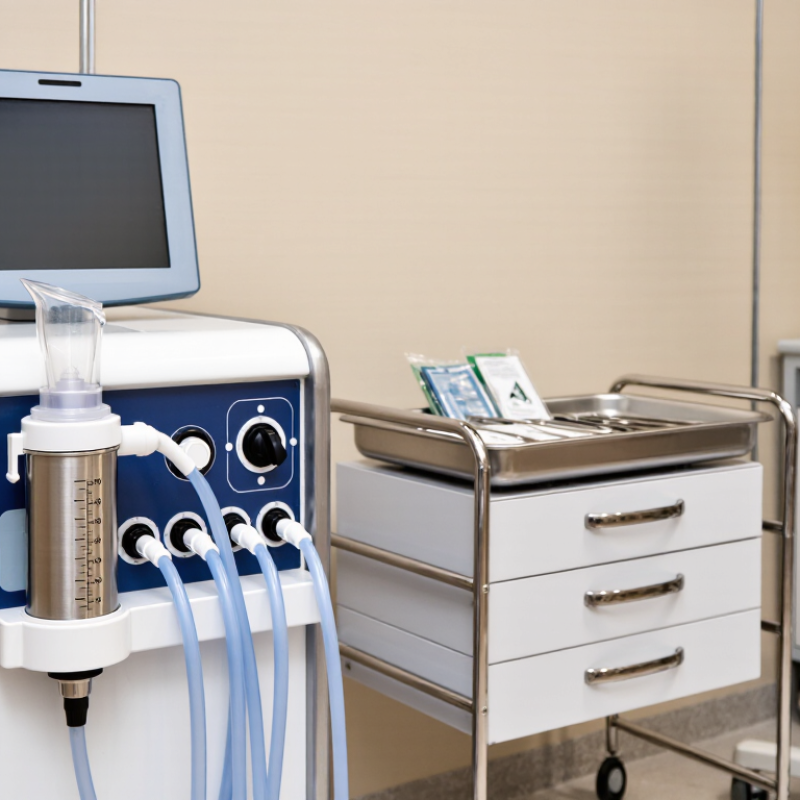
A liposuction aspirator machine creates negative pressure to help remove fat through a thin cannula. The surgeon guides the cannula beneath the skin, while suction draws loosened fat and fluid through tubing into a collection canister. The machine supports the procedure; it does not decide where tissue should be removed. That distinction matters. A pressure gauge and accessible controls help the clinical team monitor suction, but settings depend on the patient and procedure. They should be selected by qualified clinicians, not treated as a universal recipe.
The American Society of Plastic Surgeons’ 2023 Plastic Surgery Statistics Report recorded 347,782 liposuction procedures in the United States, making it the leading cosmetic surgical procedure in that report. This figure describes procedure volume, not device performance or safety. When evaluating an aspirator, clinicians can examine pressure consistency, canister capacity, tubing connections, noise, and ease of cleaning. A stable reading is useful. So is a setup that lets staff notice leaks or a full canister quickly. Yet equipment alone cannot guarantee an outcome. The machine is not the whole story, and that is easy to forget when comparing specifications.
| Selection Factor | What the Aspirator Machine Does | What to Check Before Choosing | Practical Guidance |
|---|---|---|---|
| Vacuum generation and control | Creates negative pressure that draws aspirated material through connected tubing into a collection system. | Review the adjustable vacuum range, controls, pressure display, and the manufacturer’s instructions for the intended procedure. | Choose a unit with clear, controllable settings. The appropriate operating pressure depends on the procedure and must be determined by a qualified clinician. |
| Suction performance | Maintains suction during use to support aspiration through the cannula and tubing. | Check documented airflow or suction-performance specifications and whether performance is suitable for the expected workload. | Compare published specifications under equivalent conditions; do not rely on a single maximum-vacuum figure to predict clinical performance. |
| Collection canister | Receives aspirated material and helps keep it contained within the collection system. | Assess canister capacity, visibility of the fill level, secure connections, and the availability of compatible disposable or reusable components. | Choose a capacity and configuration suited to the facility’s workflow. Follow instructions for emptying, handling, and disposal. |
| Overflow protection and filtration | Filters or protective shut-off features help prevent liquid or debris from reaching and damaging the pump. | Verify the type of overflow protection, filter replacement requirements, and whether the system includes a hydrophobic or other specified filter. | Confirm that protective components are installed and maintained as directed; never operate the system with a missing or damaged required filter. |
| Tubing and cannula compatibility | Provides the connection pathway between the surgical cannula, collection canister, and suction source. | Check connector sizes, tubing requirements, compatible accessories, and whether the system supports the planned setup. | Confirm compatibility with the facility’s approved cannulas and tubing before purchase. Use only accessories permitted by the equipment instructions. |
| Mobility and footprint | Allows the suction source to be positioned for the procedure and moved or stored within the clinical environment. | Consider unit dimensions, weight, wheels, brakes, handle design, power-cord length, and available storage space. | For frequent movement, prioritize stable wheels and accessible controls. Check that the unit can be positioned without obstructing the clinical team. |
| Noise and working environment | The pump produces sound while generating suction; noise level can affect the operating environment. | Review the manufacturer’s stated noise level and the conditions under which it was measured. | Compare noise specifications consistently and, where possible, evaluate the unit in the intended room before final selection. |
| Cleaning and maintenance | Supports repeated use when the equipment is cleaned, inspected, and serviced according to its instructions. | Review cleaning and disinfection guidance, routine inspection requirements, service intervals, and replacement-part availability. | Choose a design that fits the facility’s documented reprocessing and maintenance procedures. Follow the manufacturer’s instructions and local requirements. |
| Electrical and safety requirements | Uses electrical power to operate the pump and control system. | Verify supply voltage and frequency, applicable electrical safety documentation, alarms or indicators, and requirements for the intended location. | Have biomedical or facilities personnel confirm compatibility with the clinical environment and the facility’s electrical-safety program. |
| Service, training, and documentation | Provides the operating controls and safeguards clinicians use to manage suction during the procedure. | Check that the user manual, maintenance documentation, operator training, and technical support are available. | Base selection on documented clinical needs, staff training, service access, and applicable regulations—not on price alone. |
| Specifications and compatible accessories vary by model. Selection, setup, and use should follow the manufacturer’s instructions, facility protocols, and the judgment of qualified healthcare professionals. | |||