
Top Hydraulic Oil Filter Element Suppliers Worldwide

Selecting reliable Hydraulic Oil Filter Element suppliers requires more than comparing prices or catalog images. Hydraulic systems often operate under high pressure, heat, vibration, and changing contamination loads. A filter element that looks suitable may collapse early, release fibers, or restrict oil flow. Small errors become expensive downtime.

Filtration specialist Jim Fitch often emphasizes, “The best way to control contamination is to prevent it from entering the system in the first place.” His observation reflects practical maintenance experience. Clean oil protects pumps, valves, actuators, and servo components. It also improves service predictability. This guide examines leading suppliers worldwide through measurable criteria. These include filtration efficiency, beta ratio, micron ratings, pressure resistance, media quality, bypass-valve design, and OEM compatibility. ISO 16889 test data can support fair comparisons, although laboratory performance never tells the entire field story.

Experienced buyers also examine traceability, production consistency, delivery capability, and technical support. A dependable supplier should explain element construction clearly. It should provide useful documentation, not vague claims. Field feedback matters. So does the supplier’s response when equipment operates in dust, moisture, or severe temperature changes. No ranking is perfect. Supplier strengths can vary by region, application, and model. Some manufacturers offer excellent engineering but limited availability. Others provide fast delivery but weaker customization. That tension deserves attention. The following overview compares major Hydraulic Oil Filter Element suppliers and highlights where each may fit best.
Top Hydraulic Oil Filter Element Suppliers Worldwide

What Are Hydraulic Oil Filter Elements?

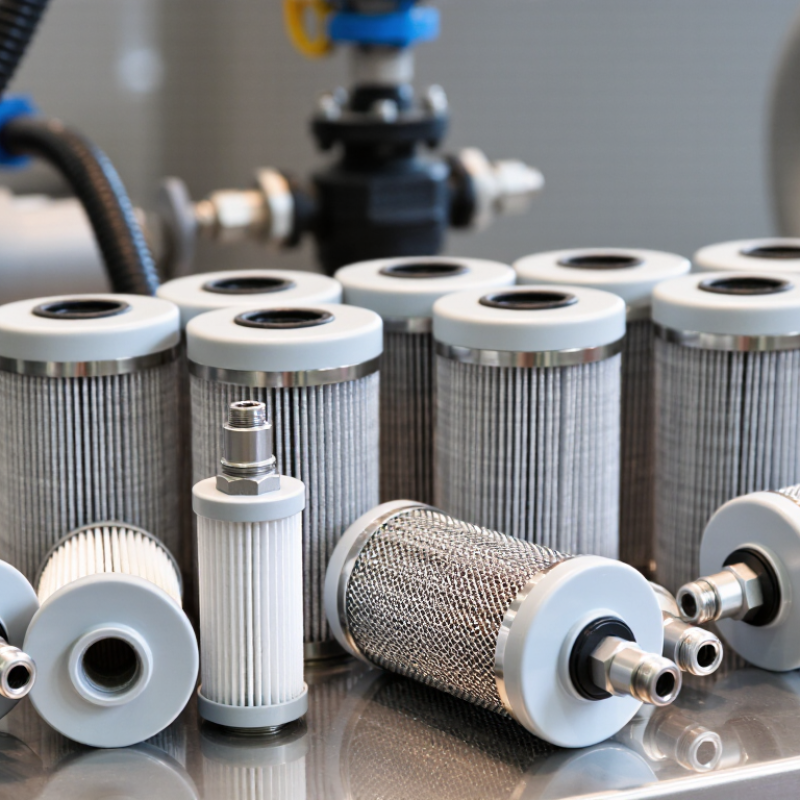
Hydraulic oil filter elements are replaceable components that clean fluid inside hydraulic systems. They capture abrasive particles before those particles damage pumps, valves, cylinders, and seals. The element usually contains layered filter media, a support tube, end caps, and sealing surfaces. Its structure must withstand pressure, vibration, and repeated temperature changes.

Filter media may use cellulose, synthetic fiber, wire mesh, or blended materials. Each option behaves differently. Cellulose can offer practical economy, while synthetic media often provides finer and more consistent filtration. Micron ratings describe particle size, but they do not tell the whole story. The beta ratio, dirt-holding capacity, collapse pressure, and flow resistance also matter. A filter with a very fine rating may restrict flow if the system is not designed for it.

In field maintenance, I have seen clean-looking oil hide damaging contamination. A pressure gauge may rise slowly, and operators sometimes delay replacement. That decision can become expensive. Selecting an element requires checking the original dimensions, seal material, pressure rating, oil compatibility, and required cleanliness level. Worldwide suppliers should provide traceable test data, clear specifications, and consistent production records. However, published performance figures still deserve verification against real operating conditions. No element removes every contamination problem. Poor storage, dirty filling equipment, or water ingress can quickly undermine good filtration.

Top Hydraulic Oil Filter Element Suppliers Worldwide — What Are Hydraulic Oil Filter Elements?

Hydraulic oil filter elements are replaceable porous components that remove solid contaminants from hydraulic fluid. Common filtration grades range from approximately 1 to 80 micrometres, with finer grades generally used for sensitive valves and control systems.

The chart shows commonly specified nominal filtration grades used in hydraulic filter elements. Actual performance depends on the filter media, beta ratio, system pressure, fluid viscosity, and the cleanliness requirements of the hydraulic circuit.

How Hydraulic Filter Elements Work in Industrial Systems

Top Hydraulic Oil Filter Element Suppliers Worldwide

How Hydraulic Filter Elements Work in Industrial Systems

Hydraulic filter elements protect pumps, valves, and actuators from abrasive particles. They sit inside pressure, return, suction, or offline filtration housings. Each position serves a different purpose.

Oil enters the housing and passes through pleated filter media. The media traps metal dust, rubber fragments, and hardened sludge. Clean oil then returns to the hydraulic circuit. A finer element can improve cleanliness, but it may also restrict flow. This trade-off matters during cold starts.

In industrial systems, a differential pressure indicator shows when the element is becoming blocked. Some housings include a bypass valve for emergency flow. However, bypass operation can send contaminated oil downstream. It should not replace scheduled maintenance. A practical inspection checks the element, seal, housing, and fluid condition together.

Filter suppliers should provide verified micron ratings, pressure limits, flow data, and material details. Beta ratios are useful because nominal ratings alone can be misleading. Maintenance records also reveal whether an element lasts as expected. A short service life may indicate poor storage, water ingress, excessive wear, or an incorrect rating. The filter is not always the problem.

Small details matter. A damaged gasket can contaminate clean oil. Improper installation can distort the media. Even a well-designed system performs poorly when the element is fitted carelessly.

Key Criteria for Comparing Global Suppliers

Top Hydraulic Oil Filter Element Suppliers Worldwide

Comparing global hydraulic oil filter element suppliers requires more than checking price and micron ratings. ISO 16889 defines the multi-pass test for measuring particle capture performance. Ask suppliers for current test results, beta ratios, pressure-drop curves, and media specifications. A claimed 10-micron rating means little without test conditions.

Market data also deserves careful reading. Grand View Research’s 2024 hydraulic filters assessment projects steady market growth through 2030, driven by industrial automation, mobile equipment, and maintenance demands. This growth increases supplier choices, but not necessarily supplier quality. Compare production capacity, regional inventory, lead times, and batch traceability. Request certificates for ISO 9001 systems, material records, and documented quality inspections. A supplier with strong engineering support can help match seal materials, flow rates, and collapse pressure to real equipment conditions.

Tips: Build a comparison sheet with six fields: beta ratio, pressure drop, service life, delivery time, documentation, and total cost. Check samples under operating conditions, not only laboratory claims. A cheaper element may create faster contamination loading. That assumption should be tested, not accepted. Packaging also matters; damaged seals or moisture exposure can spoil a technically excellent filter. Supplier communication may seem minor, yet unclear answers often signal future maintenance problems. I would not select on headline efficiency alone. Machine duty, fluid cleanliness targets, and replacement access can change the best choice.

Top Hydraulic Oil Filter Element Suppliers Worldwide - Key Criteria for Comparing Global Suppliers

Comparison Criterion What to Compare Relevant Technical Reference Recommended Evidence from a Supplier Why It Matters
Filtration Performance Beta ratio, particle-size rating, and whether the rating is nominal or absolute. ISO 16889 multi-pass filtration testing. A test report showing β-ratio, test fluid, flow rate, particle size, and test conditions. A stated micron rating alone does not provide enough information to compare actual particle-removal efficiency.
Pressure-Drop Control Initial pressure drop at the required flow rate and the pressure-drop increase as the element loads. ISO 3968 pressure-drop and flow-rate testing. Pressure-drop curves for clean elements at several flow rates and fluid viscosities. Lower and predictable pressure drop helps reduce energy losses and protects system performance.
Collapse and Burst Strength Element structural strength and resistance to collapse during cold starts, clogging, or abnormal flow conditions. ISO 2941 collapse and burst-resistance testing. Certified collapse-pressure results and the specified safety margin for the intended hydraulic circuit. Adequate strength reduces the risk of media deformation, bypass failure, and downstream contamination.
Media and Construction Glass-fiber, cellulose, stainless-steel mesh, wire-mesh, or blended media; adhesive, support tube, end caps, and seals. Material compatibility should be validated against the hydraulic fluid and operating temperature. Material declarations, seal-material information, construction drawings, and compatibility data. Construction materials affect efficiency, durability, chemical resistance, and service life.
Hydraulic-Fluid Compatibility Compatibility with mineral oils, water-glycol fluids, phosphate-ester fluids, biodegradable fluids, and other specified media. The supplier should evaluate the complete element assembly, including seals and adhesives. Written compatibility confirmation for the exact fluid, concentration, temperature range, and exposure time. Incorrect material selection can cause swelling, embrittlement, leakage, or premature failure.
Cleanliness and Quality Control Control of fibers, loose particles, adhesive residue, dimensional variation, and assembly defects. ISO 2942 fabrication-integrity and quality-verification principles may be included in the validation program. Inspection plans, batch records, cleanliness procedures, and sample inspection reports. Consistent manufacturing quality helps prevent contamination and unexpected variation between batches.
Dimensional and Interface Accuracy Overall dimensions, sealing diameter, mounting interface, bypass-valve arrangement, flow direction, and connection details. The element should be verified against the original equipment drawing or a controlled replacement specification. Dimensioned drawings, tolerance data, interface samples, and first-article inspection results. Even a high-efficiency element is unsuitable if it cannot seal or fit correctly in the filter housing.
Bypass and Clogging Protection Bypass-valve setting, indicator compatibility, anti-drainback design, and behavior under cold or high-viscosity conditions. Settings must match the filter-housing and hydraulic-system requirements. Valve-setting certificates, functional test results, and clear identification of optional configurations. Correct bypass behavior protects pumps and actuators while minimizing unfiltered flow.
Traceability and Certification Lot identification, production records, certificate of conformity, and management-system certification. ISO 9001 certification is a useful quality-management indicator, but it does not replace product-performance testing. Current certificates, batch codes, certificates of analysis or conformity, and a documented complaint process. Traceability supports root-cause analysis, recalls, warranty handling, and regulated purchasing requirements.
Supply Capability Minimum order quantity, standard production capacity, tooling capability, sample availability, and lead-time consistency. Compare quoted lead time with documented production and shipping assumptions rather than with a single target date. Capacity statement, production schedule, safety-stock policy, export documentation capability, and business-continuity plan. Reliable supply reduces equipment downtime and avoids emergency purchases at higher total cost.
Lifecycle Cost and Sustainability Purchase price, service interval, pressure-drop energy cost, disposal requirements, packaging, and recyclable content. Evaluate total cost of ownership instead of comparing unit price alone. Element-life data, waste-handling guidance, packaging specifications, and an itemized quotation. A lower purchase price may be outweighed by shorter service life, higher pressure drop, or disposal costs.

Note: Hydraulic filter performance depends on the complete element, housing, fluid, temperature, flow rate, and operating conditions. Supplier claims should be compared only when the test methods and conditions are equivalent.

Leading Supplier Types and Their Product Strengths

Top Hydraulic Oil Filter Element Suppliers Worldwide

Hydraulic filter element suppliers usually fall into three groups: original equipment manufacturers, specialist filtration producers, and industrial distributors. Each type serves a different purchasing need. Equipment manufacturers often provide exact-fit elements for pumps, valves, and compact hydraulic systems. Their strength is compatibility, supported by detailed service data and tested specifications.

Specialist filtration producers usually offer broader media choices, including cellulose, synthetic fiber, and stainless-steel mesh. They can adjust micron ratings, pressure resistance, and seal materials for demanding applications. Industrial distributors focus on availability. This matters when a production line is waiting beside a silent hydraulic press. In field maintenance, I have seen a low-cost substitute cause early pressure rise because its bypass setting was unsuitable. The part looked correct. It was not.

Tips: Check the filtration rating, collapse pressure, flow direction, seal compound, and bypass valve setting. Ask for test reports, dimensional drawings, and batch traceability. Do not judge quality by appearance alone.

Reliable suppliers explain how their elements perform in cold starts, dusty workshops, and continuous-duty equipment. They should also identify installation limits instead of promising universal compatibility. A supplier with engineering support can help compare pressure-drop curves and contamination-control targets. This support is valuable when oil temperature changes during operation. Still, buyers should verify every recommendation against the equipment manual. Supplier advice can be useful, but assumptions remain risky.

How to Select the Right Hydraulic Filter Element Supplier

Top Hydraulic Oil Filter Element Suppliers Worldwide

Selecting the right hydraulic filter element supplier starts with your operating conditions, not a catalog image. Record the fluid type, working pressure, flow rate, temperature range, and housing dimensions. A filter rated for 10 microns may still perform poorly if its collapse pressure is inadequate. Check the element’s beta ratio, dirt-holding capacity, and pressure-drop curve under realistic flow conditions.

Ask suppliers for documented test results and batch traceability. Reliable manufacturers should explain their media construction, seal materials, and end-cap design clearly. They should also provide dimensional drawings and compatibility data before you place an order. Standards-based testing, such as ISO 16889, can make performance claims easier to compare. However, test data alone is not enough. Request samples and inspect pleat spacing, bonding quality, and gasket fit on arrival.

Look for practical experience with pumps, valves, and mobile or industrial hydraulic systems. A capable technical team will ask detailed questions instead of recommending one universal element. Check production capacity, replacement lead times, packaging quality, and response speed when problems occur. References from similar applications can reveal useful details, especially after several months of service. My own first assumptions have sometimes been wrong. A cheaper element can create faster clogging, unstable pressure, and higher maintenance costs. Leave room for field testing, because laboratory results may not reflect dusty sites, cold starts, or fluctuating loads.

Shopping Cart
Scroll to Top

Search for...

The Duravant family of operating companies serve the food processing, packaging and material handling segments.