What is a Photovoltaic Bracket and How Does it Work?
Photovoltaic Brackets play a crucial role in solar energy systems. They securely hold solar panels in place, maximizing efficiency. According to the International Energy Agency, solar energy could provide up to 16% of global electricity by 2050. The effectiveness of this technology hinges on reliable mounting solutions.
The design of a Photovoltaic Bracket affects installation and performance. Well-engineered brackets ensure optimal panel positioning and durability. A report from Wood Mackenzie indicates that the global solar mounting structure market is expected to reach $7 billion by 2025. This growth highlights the importance of reliable bracket systems in renewable energy infrastructure.
However, not all brackets are created equal. Some may not withstand heavy winds or snow loads. This raises questions about long-term performance and durability. As we adopt more solar technologies, addressing these issues is essential. Understanding the role of Photovoltaic Brackets can help us enhance solar energy's reliability and effectiveness.
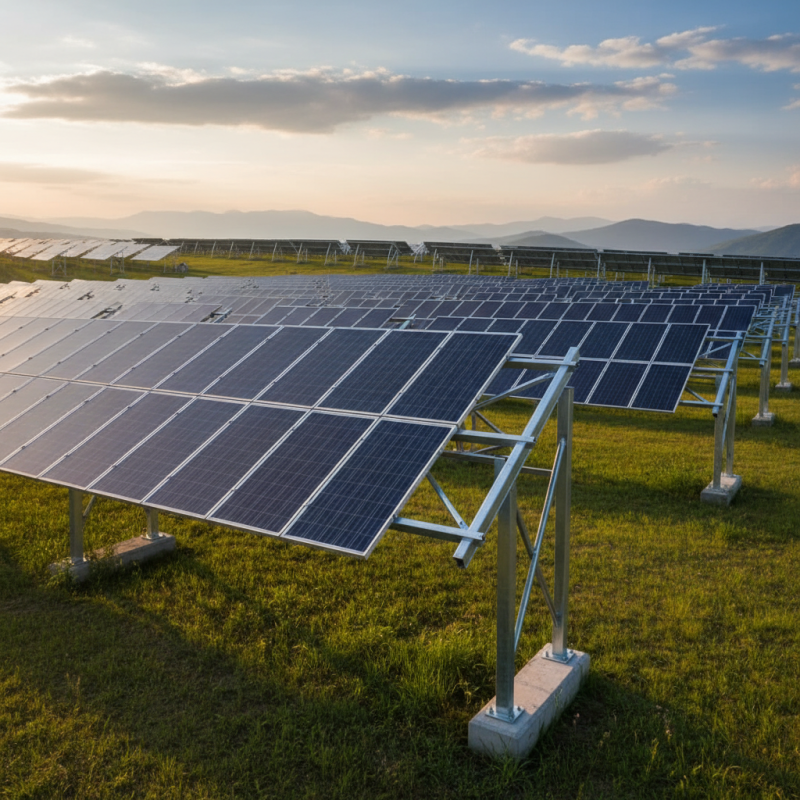
What is a Photovoltaic Bracket?
A photovoltaic bracket is a device that supports solar panels. It helps to secure the panels in place, ensuring optimal performance. This bracket is crucial for the stability and longevity of solar installations.
These brackets are often made of durable materials, such as aluminum or steel. They can withstand harsh weather conditions and heavy loads. Photovoltaic brackets allow panels to be angled correctly to capture sunlight. The angle can significantly affect energy production.
Installation can be tricky. A poorly installed bracket might not hold the panel securely. This can lead to damage during storms or heavy winds. Regular checks on the brackets are necessary. Many people forget this step. It is essential to maintain these brackets for maximum efficiency.
Components of a Photovoltaic Bracket
Photovoltaic brackets are essential components in solar energy systems. They help secure solar panels to roofs or ground structures. Their main purpose is to ensure stability and optimal positioning for maximum sunlight exposure. They come in various designs, suited for different installation types. According to the National Renewable Energy Laboratory, proper mounting can increase energy efficiency by up to 15%.
A typical photovoltaic bracket includes several key parts. Base mounts are essential for anchoring to surfaces. They can be fixed or adjustable. Wind deflectors help minimize wind resistance. Additionally, rail systems connect the brackets, allowing for even weight distribution. Some brackets also feature protective coatings to resist corrosion. These materials can extend the lifespan of the installation.
Here’s a tip: Always consider local weather conditions when choosing mounting hardware. Harsh environments may require more robust materials. In many regions, regular maintenance checks are important. They can prevent small issues from becoming costly repairs. Sometimes, even a small dent can impact performance. Be mindful of installation practices—poor installations can lead to decreased efficiency.
Principle of Operation for Photovoltaic Brackets
Photovoltaic brackets play a vital role in solar energy systems. Their main function is to securely hold solar panels in place. These brackets are typically made of durable materials like aluminum or steel. Their design ensures optimal positioning for capturing sunlight.
The principle of operation relies on angles and orientation. Properly angled brackets maximize solar energy absorption. According to industry reports, an optimal tilt can increase efficiency by 10-25%. The positioning also affects shading and thermal performance. In some cases, poor installation can nullify these benefits, leading to underperformance.
**Tips:** Always ensure brackets are installed according to manufacturer guidelines. Regular inspections can prevent issues from arising later. In windy areas, using heavier brackets might be necessary for stability. A slight misalignment can significantly impact energy generation. Be aware of the location’s weather patterns; this knowledge can influence bracket choice.
Photovoltaic Bracket Performance Comparison
This chart shows the average load capacity of different materials used in photovoltaic brackets. Understanding the capabilities of various bracket materials helps in selecting the right one for optimal solar panel installation.
Benefits of Using Photovoltaic Brackets
Photovoltaic brackets play a vital role in solar installations. They securely hold solar panels in place, ensuring optimal performance and longevity. Using these brackets can significantly enhance the installation process and overall efficiency of solar energy systems.
Benefits of using photovoltaic brackets are numerous. According to the International Renewable Energy Agency (IRENA), solar energy capacity has surged by 20% annually over the last decade. This growth highlights the importance of effective installation solutions. Brackets allow for better angle adjustments for the panels, increasing sunlight exposure. More sunlight means more energy production, which can boost efficiency by up to 30%.
Tips: Regularly inspect brackets for wear and tear. Over time, environmental factors can cause degradation. Reinforcement may be needed to maintain solar panel stability. Proper installation is crucial to avoid costly repairs.
Moreover, photovoltaic brackets can be adjusted to accommodate various types of roofs. This flexibility is essential for maximizing energy capture from available sunlight. However, improper installation can lead to misalignment, which may reduce energy output, underscoring the importance of professional help when necessary.
Installation Process of Photovoltaic Brackets
The installation process of photovoltaic brackets is crucial for effective solar energy systems. Properly installed brackets ensure optimal solar panel placement, maximizing sunlight capture. Research indicates that well-placed panels can increase energy efficiency by up to 30%.
Installation begins with a thorough site assessment. This evaluation helps in understanding the roof type and angle. All these details are important for bracket alignment. Many neglect the significance of accurate measurements. Errors in this phase can result in reduced energy output. It's essential to gather necessary tools and check the weather conditions before starting.
After assessing, installers generally mark the bracket positions. Drill holes are then made for anchoring. It's vital to use robust materials to withstand harsh weather. Fastening brackets too loosely can lead to panel damage. Industry reports show that improper installations account for 15% of solar panel failures. Regular inspections after installation can help address potential issues early. The attention to detail during the installation greatly affects system longevity and performance.