Top 5 Tips for Buying Mill Rolls Effectively?
In the manufacturing sector, efficiency hinges on the quality of equipment used. Mill rolls play a crucial role in this process. According to a recent market report by Research and Markets, the global mill rolls market is projected to reach $3.5 billion by 2025. This growth underscores the importance of selecting the right products for optimal performance.
When investing in mill rolls, one must consider various factors that influence their durability and effectiveness. Recent studies show that the material composition affects wear resistance and overall longevity. Investing in higher quality rolls can lead to significant cost savings down the line, yet many businesses often overlook this aspect.
A common mistake is focusing solely on price rather than performance. This short-sightedness can lead to increased downtime and maintenance costs. Understanding the specific needs of your production line is vital. Mill rolls are not a one-size-fits-all solution, and careful selection is necessary to ensure long-term success.
Understanding Different Types of Mill Rolls and Their Applications
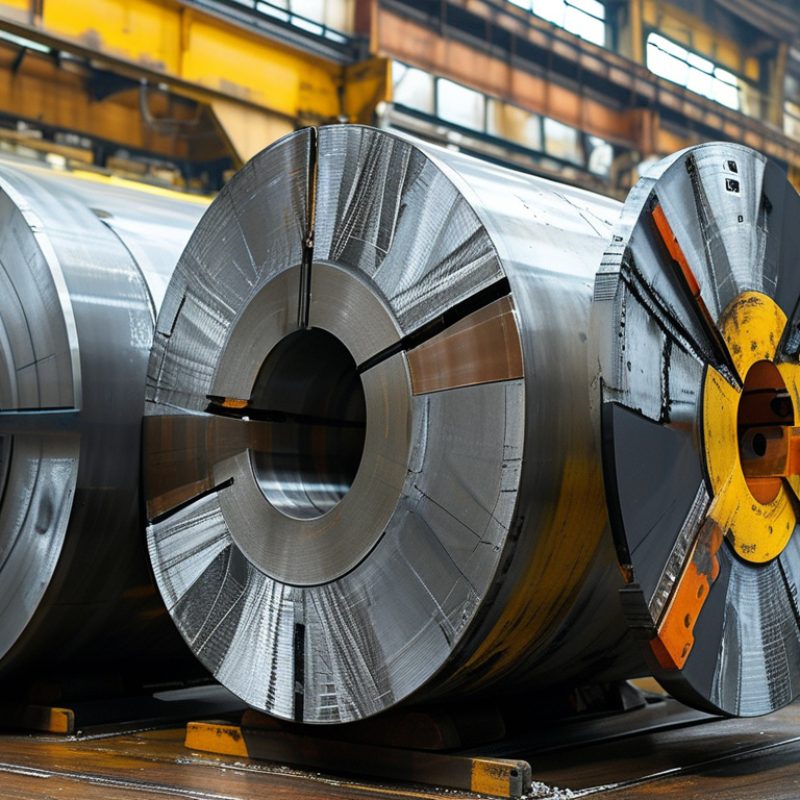
When considering mill rolls, it's essential to understand the different types available. There are primarily two categories: cast iron rolls and forged steel rolls. Cast iron rolls are generally less expensive and suitable for lighter operations. However, they may not withstand high-stress applications as well as forged steel rolls. The latter, while pricier, offer superior strength and durability. Investing in the right type ensures long-term efficiency in your milling process.
Applications of these rolls vary widely. For instance, in the food industry, stainless steel rolls are used for grinding grains. These rolls must adhere to strict hygiene standards. In contrast, forged steel rolls are more common in metalworking. They handle heavier materials and can achieve finer specifications. However, choosing the wrong type can lead to equipment failure or costly downtime.
Before purchasing, evaluate your specific needs carefully. What materials will you process? How often will the rolls be used? Understanding these factors helps in selecting the appropriate mill rolls. Be wary of overly cheap options; they might not meet your performance requirements. The right roll can significantly impact your productivity and product quality.
Assessing the Quality and Durability of Mill Rolls
When assessing the quality and durability of mill rolls, material matters significantly. High-quality rolls are often made from durable metals that resist wear. Look for rolls that can withstand high temperatures and pressure. They should maintain their shape under stress. Specific materials can indicate enhanced performance. Pay attention to manufacturing processes; forged rolls might offer greater strength compared to cast alternatives.
Visual inspection is also crucial. Check for any signs of surface defects or finishes that could affect performance. Even minor flaws can lead to significant issues during production. Understanding the specifications of the rolls can highlight their suitability for your industry needs. Compare dimensions and weight, as these can influence the overall handling and efficiency of the rolls.
Finally, consider the manufacturer's reputation. Researching their history can provide insights into expected performance. Look for feedback from users. Studies or reports on durability can also guide your decision. While personal experiences vary, trends can reveal reliability. This approach helps ensure you select rolls that meet your operational requirements effectively.
Evaluating Price versus Performance in Mill Roll Purchases
When purchasing mill rolls, evaluating price versus performance is crucial for manufacturers aiming for efficiency. Industry reports reveal that low-cost mills may compromise quality, leading to higher long-term operational costs. Studies indicate that mills with better performance specifications can enhance productivity by up to 20%. Yet, budget constraints often push buyers to seek cheaper options. This might save money initially, but it often results in frequent maintenance and replacements.
Considering the performance needs is essential. Look for rolls that meet specific industry standards while balancing cost. A detailed analysis of the total cost of ownership must be conducted. This includes material durability, production speed, and the frequency of replacements. Investing in higher-quality rolls can reduce downtime and increase overall production rates.
Assessing past customer feedback can also guide purchasing decisions. User experiences often highlight potential pitfalls and successes with certain roll types. It’s important to rely on data from trusted industry reports, which indicate performance metrics under various conditions. Aim to compare multiple products based on these documented results. In the end, the right balance of price to performance can lead to significant improvements in operational efficiency and profitability.
Identifying Reliable Manufacturers and Suppliers for Mill Rolls
When it comes to purchasing mill rolls, identifying reliable manufacturers and suppliers is crucial. Start by researching potential suppliers in your region. Check their websites and catalogs to understand their product offerings. Look for companies with a proven track record in the industry. Reviews and testimonials from other businesses can provide valuable insights.
Consider reaching out to industry experts or consulting associations for recommendations. They often have insights into who the top suppliers are. Visiting manufacturing facilities can also give you a closer look at their operations and capabilities. This hands-on approach allows you to gauge their reliability and professionalism.
Don't overlook the importance of after-sales support. A good supplier not only delivers quality products but also provides assistance when needed. Establishing a strong relationship with your supplier can be beneficial in the long run. Communication is key; ensure they understand your specific needs and any challenges you face. Strive to find a partner who is adaptable and responsive to your requirements.
Importance of After-Sales Support and Maintenance Services for Mill Rolls
When purchasing mill rolls, after-sales support and maintenance services play a crucial role. Many users underestimate the significance of regular maintenance for operational efficiency. Research shows that proper maintenance can extend the lifespan of mill rolls by up to 30%. This not only saves costs but also ensures consistent product quality.
Reliable after-sales support is vital. It impacts downtime and production workflow. A recent industry survey reported that 40% of manufacturers faced delays due to inadequate support after their equipment purchase. Providing rapid response and expert guidance during these situations can minimize losses. It is essential for buyers to evaluate the commitment of suppliers to after-sales service.
Additionally, understanding maintenance protocols can help avoid common pitfalls. Operational teams should be trained in best practices. A study found that untrained staff can lead to damage in nearly 20% of mill rolls within the first year. Investing in training programs is a proactive measure to enhance efficiency and safety. Effective support can turn potential problems into opportunities for improvement.
Top 5 Tips for Buying Mill Rolls Effectively
| Tip Number | Tip Description | Importance of After-Sales Support | Maintenance Services |
| 1 | Research different types of rolls available in the market. | Ensures the right choice for specific milling requirements. | Regular inspections to evaluate wear and tear. |
| 2 | Evaluate suppliers based on reputation and experience. | Reliable suppliers provide better support. | Scheduled maintenance to prevent costly downtime. |
| 3 | Ask for product samples to assess quality. | Quality assurance through samples enhances confidence. | Assistance with installation and setup processes. |
| 4 | Consider the total cost of ownership, not just purchase price. | Long-term relationships create value beyond the initial sale. | Access to quick-response maintenance when issues arise. |
| 5 | Inquire about warranty and after-sales services. | Stronger warranties bolster buyer confidence. | Comprehensive support extends lifespan of the rolls. |