
10 Tips for Buying PE Gloves in Bulk

Buying Pe Gloves in bulk can lower unit costs, but only when the product fits the work. A carton that looks economical may create waste if gloves tear, feel awkward, or arrive in unsuitable sizes. Small details matter. Check the intended task before comparing quotes: food preparation, cleaning, and light-duty handling can call for different fit and thickness choices. PE gloves are commonly selected for quick changes and simple tasks, not demanding protection.

A dependable purchase starts with clear specifications. Confirm glove dimensions, thickness, material, color, packaging count, and whether the gloves are powdered or powder-free, where applicable. Request a sample and test it with motions workers actually perform, such as opening cartons or handling damp produce. Not always. Compare landed cost, not just the listed price; freight, carton volume, and replenishment time can change the real value. Ask suppliers how they control batch consistency and protect cartons from moisture or crushing in transit. Consider storage space, too, especially when a large order will sit for several weeks. Check product documentation and any workplace or food-contact requirements relevant to your market before ordering. Even a clear specification can miss how a glove feels after repeated changes. The ten tips ahead help buyers compare quality, supplier reliability, storage needs, and total cost with fewer assumptions. Bulk buying rewards careful verification, not guesswork.
10 Tips for Buying PE Gloves in Bulk

Assess Your Usage Needs and Required Glove Specifications

Before ordering PE gloves in bulk, record how many workers use them, tasks per shift, and glove changes per task. A simple count over five representative days is more useful than guessing from monthly purchases. Separate food handling, cleaning, and light packing; one glove type may not suit every task. Note hand sizes, cuff length, and whether workers need a loose fit for quick changes. Also check whether textured or smooth surfaces work better with wet items, and request documentation for the intended food-contact use. PE gloves offer a lightweight barrier, not reliable protection against sharp tools or harsh chemicals.

Estimate cartons from actual use, then add a modest reserve for delivery delays or seasonal peaks. A small buffer helps. Forecasts still miss. The FDA Food Code 2022, section 3-304.15, treats single-use gloves as task-specific and calls for replacement when gloves become contaminated or damaged. Build those changes into your usage estimate rather than counting only gloves worn at shift start. Grand View Research estimated the broader disposable-glove market at US$12.8 billion in 2023, with projected annual growth of 4.7% through 2030; this is not a PE-specific figure, but it signals a large, expanding supply category. Compare sample gloves during real tasks before committing to a large order. A specification sheet cannot reveal every fit problem.

Compare PE Glove Types, Sizes, Thicknesses, and Features

10 Tips for Buying PE Gloves in Bulk
Compare PE Glove Types, Sizes, Thicknesses, and Features

Polyethylene (PE) gloves are commonly sold in high-density, low-density, smooth, and embossed styles. Smooth gloves slide on quickly; embossed surfaces can improve grip on damp Food Packaging. They are generally loose-fitting, so match the glove to the task rather than expecting a close, precise fit. CDC estimates 48 million Americans get foodborne illnesses each year, based on its 2011 burden estimates. That figure is not a glove-performance measure; gloves do not replace handwashing.

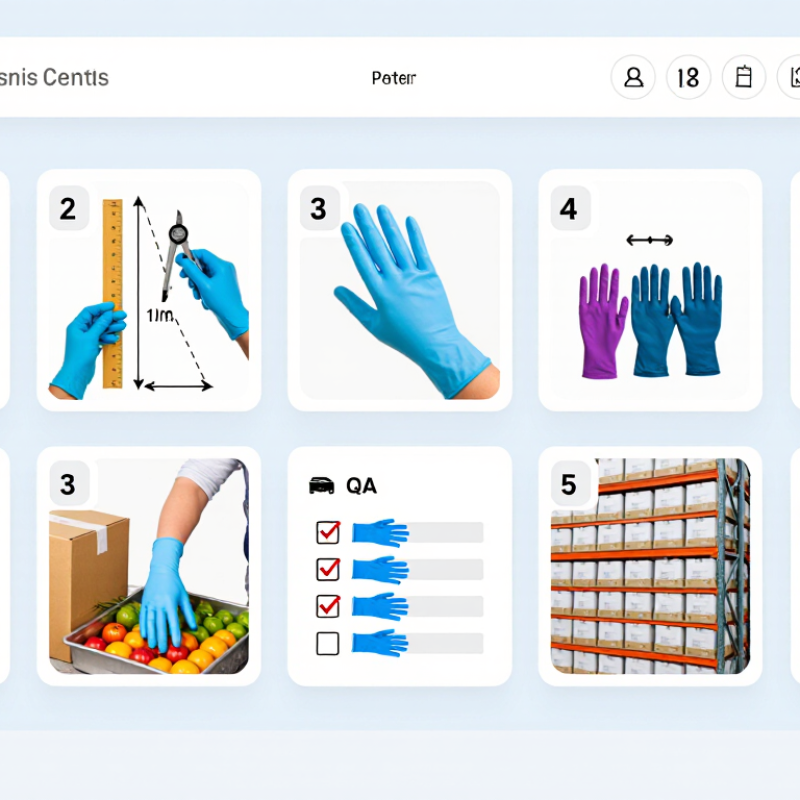
Tips: Compare material and texture; check the size chart; measure palm width; try gloves over dry hands; compare thickness in mil or microns; inspect the sample for pinholes; test grip on wet packaging; check cuff length; confirm box counts; trial a small case before bulk ordering. Do not compare thickness by feel alone. Product specifications and measurement methods can differ. A “heavy” label is vague.

Thin gloves may suit brief, low-stress tasks, while thicker options can feel sturdier but reduce fingertip sensation. Check fit after a few minutes of real handling: loose fingertips can snag, and tight cuffs can tear during quick changes. The U.S. FDA Food Code advises using single-use gloves for one task and discarding them when soiled or damaged. A small trial order is prudent. Carton labels cannot reveal every handling issue.

Check Quality Standards, Safety Requirements, and Product Documentation

When buying polyethylene (PE) gloves in bulk, a low unit price can hide uneven thickness or weak seams. Ask for declared specifications, including material, size range, thickness, and intended use. Compare them with a sample from the same production lot, if available. Feel the fingertips and stretch the cuff gently. Small checks matter.

Quality documents should be current and traceable to the exact glove model. Request relevant test reports or certificates, then check the issuing laboratory, report date, and model number. Requirements vary by workplace and destination, so confirm applicable food-contact or protective-equipment rules with a qualified compliance professional. A generic certificate may not be enough. If paperwork looks complete but does not identify the product clearly, ask questions rather than assuming it applies.

Read packaging and labeling carefully. Check lot codes, manufacturing details, storage guidance, and warnings before approving a large order. Keep specifications, reports, invoices, and sample notes together. This takes time. It can also help when investigating a quality complaint. If gloves feel different from the approved sample, pause distribution and request an explanation. Documents help, but they cannot replace inspecting the actual goods.

Evaluate Suppliers, Samples, Pricing, and Bulk Order Terms

Buying PE gloves in bulk starts with checking whether a supplier can explain material thickness, sizing, and production consistency. Ask for written specifications, not just a product photo. A useful supplier should answer practical questions clearly, including how defects are handled and whether future batches can match the sample. Vague replies deserve a closer look.

Request samples before committing. Try them during the tasks they are meant for, and check fit, seam-free construction, and resistance to tearing during normal use. A sample helps. Compare several sizes if different workers will use the gloves. One pair cannot reveal every batch variation, so ask how samples relate to production stock. This point is easy to overlook.

Compare quotes by usable quantity, not headline price alone. Check whether packing, freight, and any applicable fees are included. Confirm minimum order quantities, lead times, payment schedule, cancellation rules, and what happens if goods arrive short or damaged. Put agreed specifications in the purchase documents. Small details matter. A low quote may still suit your needs, but only when the order terms are clear and the expected delivery fits your stock plan. Ask for revised costs if quantities change; bulk pricing does not always improve in a straight line.

Plan Packaging, Shipping, Storage, and Inventory Management

10 Tips for Buying PE Gloves in Bulk

Bulk orders need a packaging plan before the cartons arrive. Confirm the number of gloves per inner pack and the number of packs per case. Clear counts make receiving faster and help staff spot shortages. Keep cartons sealed until needed; loose packs can collect dust or get mixed with other sizes. Small details matter. Ask how cases are stacked and whether pallet dimensions fit your receiving area. A low unit price is less useful if oversized pallets block an aisle.

Shipping estimates should include transit time, unloading, and any delay between arrival and inspection. Check cartons for crushed corners or water marks, then record damaged cases before putting stock away. Store gloves in a clean, dry area, away from direct sunlight, heaters, and sharp edges. Use shelf labels with size, case quantity, and receipt date. This seems basic, but labels often disappear after a busy restock.

Track weekly use and set a reorder point that accounts for supplier lead time and a modest buffer. Review it when demand changes; a forecast can still be wrong, especially during seasonal peaks. Use older stock first, while checking packaging condition during routine counts.

Article Source:

Shopping Cart
Scroll to Top

Search for...

The Duravant family of operating companies serve the food processing, packaging and material handling segments.