Top 10 Cup Forming Machines You Need to Know About?
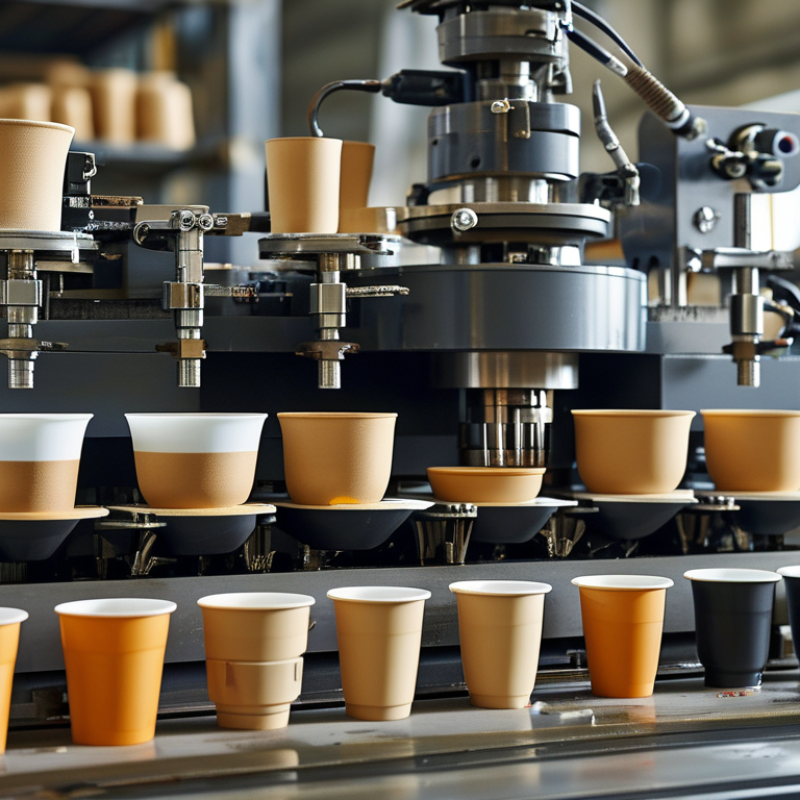
In today’s manufacturing landscape, the cup forming machine plays a vital role. These machines are essential for producing various types of cups, ranging from paper to plastic. Their efficiency and precision significantly impact production lines across multiple industries.
As you explore the top ten cup forming machines, consider the unique features and capabilities each offers. Some machines excel in speed while others focus on versatility. This article highlights advanced technology and user-friendly designs that enhance productivity.
However, choosing the right cup forming machine can be challenging. The variety of options may overwhelm potential buyers. Reflecting on the needs of your business is crucial. The right choice goes beyond brand names; it should align with your specific production requirements.
Introduction to Cup Forming Machines and Their Importance
Cup forming machines play a vital role in various industries. They automate the production of cups, enhancing efficiency and consistency. According to a report from MarketsandMarkets, the cup forming machine market is projected to grow from $1.2 billion in 2021 to $1.9 billion by 2026. This growth reflects a rising demand for sustainable packaging solutions.
These machines not only streamline production but also ensure quality. A well-functioning machine can create thousands of cups per hour. However, the technology isn't without challenges. Operators must deal with maintenance issues and potential downtimes. A study by IBISWorld suggests that 15% of operational costs in manufacturing are related to equipment failures. Companies must invest in training to minimize these risks.
Sustainability is another focal point. Many industries are shifting towards eco-friendly materials. The growth rate for biodegradable cups is set to accelerate. Not all cup forming machines are equipped to handle these materials efficiently. Manufacturers must adapt to improve processes, ensuring quality while meeting environmental standards. This balance is crucial for success in today's market.
Key Features and Specifications to Look for in Cup Forming Machines
When selecting cup forming machines, several key features should stand out. One important aspect is speed. A machine's production rate can greatly impact overall efficiency. Machines that can produce cups quickly without sacrificing quality are considered superior. Additionally, the ease of operation matters. Operators should feel comfortable using the machine with minimal training.
Another crucial feature is versatility. Many industries require different cup sizes and shapes. A good machine can handle various tasks efficiently. Look for adjustable settings that cater to different requirements. This flexibility can save time and resources, allowing for a more productive workflow.
**Tip**: Always check the machine's maintenance requirements. Some machines may look efficient, but high maintenance can lead to hidden costs.
Consider the build quality as well. Robust machines often translate to longevity. Investing in durable components reduces the risk of frequent breakdowns. Also, evaluate the machine's energy efficiency. An energy-efficient model can lead to significant savings over time.
**Tip**: Research user reviews. Real-world experiences provide valuable insights into a machine's performance and reliability.
To make an informed choice, weigh each feature based on your specific needs. It’s not just about purchasing a machine; it’s about selecting one that fits seamlessly into your operation.
Top 10 Cup Forming Machines - Features and Specifications
This chart displays the comparative capabilities of the top 10 cup forming machines based on their production speed (cups per minute) and power consumption (watts).
Top 10 Cup Forming Machines: Overview of Models and Their Uses
Cup forming machines play a crucial role in the packaging industry. They are designed to create various types of cups from materials like paper, plastic, and foam. Given the rising demand for single-use cups, understanding the different models is essential for manufacturers. Industry reports indicate that the cup forming machine market is projected to grow by over 5% annually until 2025.
These machines vary in complexity and efficiency. Some models cater to small-scale operations, while others support high-volume production. Advanced machines often feature automation, which enhances productivity but requires careful training. Those starting to invest in this technology may find it challenging to choose the right model. Regular maintenance is key to sustaining operational efficiency.
Tips: Always consider the material type when selecting a cup forming machine. Different models suit different materials. Ensure your workforce is adequately trained to use the machinery. Investing in staff training reduces errors and increases product quality. Remember, selecting the right machine impacts your production cycle significantly.
Comparative Analysis of Performance and Efficiency in Cup Forming Machines
When evaluating cup forming machines, performance and efficiency are key metrics. A recent industry report emphasizes that up to 30% of production costs can be impacted by machine efficiency. High-efficiency machines can save significant amounts in energy and labor. For instance, machines with energy-saving designs use 20% less overall power, making them a cost-effective choice over time.
Speed is another critical factor. Leading machines can produce up to 150 cups per minute without compromising quality. However, not all machines deliver consistently at high speeds. Some may require frequent maintenance, which can lead to downtime. This highlights the importance of reliability in production settings. In a competitive market, the risk of equipment failure can have a substantial impact on output.
Additionally, material versatility is essential in today's manufacturing landscape. Machines that can form different materials, such as paper, plastic, and biodegradable options, offer significant advantages. Reports show that manufacturers adopting versatile machines have increased production flexibility by 40%. However, mastering diverse materials often requires more initial training and investment in skilled labor. Balancing these demands is crucial for optimizing overall operational efficiency.
Top 10 Cup Forming Machines - Comparative Analysis of Performance and Efficiency
| Machine Model | Production Speed (cups/min) | Energy Consumption (kW) | Material Compatibility | Maintenance Frequency (months) | Cost Efficiency ($/1000 cups) |
| Model A | 120 | 2.5 | Plastic, Paper | 6 | 15.00 |
| Model B | 130 | 2.0 | Plastic, Biodegradable | 12 | 14.50 |
| Model C | 110 | 3.0 | Paper, Cardboard | 8 | 16.00 |
| Model D | 150 | 2.2 | Plastic | 9 | 13.00 |
| Model E | 100 | 2.8 | Biodegradable, Paper | 10 | 18.00 |
| Model F | 125 | 2.3 | Plastic, Cardboard | 7 | 14.00 |
| Model G | 140 | 1.9 | Plastic | 5 | 12.50 |
| Model H | 115 | 2.6 | Paper, Biodegradable | 11 | 17.00 |
| Model I | 135 | 2.1 | Plastic, Cardboard | 4 | 13.50 |
| Model J | 105 | 2.7 | Biodegradable, Paper | 15 | 19.00 |
Maintenance and Best Practices for Longevity of Cup Forming Machines
Maintaining cup forming machines is crucial for optimal performance. Regular inspection and cleaning keep the machines running smoothly. It's common for manufacturers to overlook these tasks, leading to unplanned downtime. According to industry reports, up to 30% of production delays arise from equipment failures. Simple maintenance checks can significantly reduce these occurrences.
Lubrication is vital for mechanical parts. Experts recommend scheduling lubrication every
500 operational hours. This practice can extend the life of critical components, reducing wear and tear. Additionally, machine operators should record operational hours meticulously. Data from manufacturing studies indicate that machines that adhere to regular maintenance schedules can last up to
50% longer.
Failing to maintain electrical connections can lead to productivity issues. Some operators neglect to check wiring and circuit boards. Regularly inspecting these elements can prevent electrical failures, which account for nearly
20% of machine malfunctions. Training staff on best practices is equally important. Even the most sophisticated machines require knowledgeable operators to function effectively.