

Top Robot Warehouse Picking Solutions for Global Buyers
Robot Warehouse Picking is moving from pilot projects into daily warehouse operations. Global buyers now compare robotic arms, autonomous mobile robots, vision systems, and integrated picking cells. The decision is not simply about speed. It involves accuracy, product variety, software compatibility, worker safety, maintenance, and total ownership cost. Small details matter. A gripper must handle a soft pouch without crushing it, while a camera must identify a glossy carton under uneven lighting.
Industry data shows why this market deserves careful evaluation. The International Federation of Robotics reported 541,302 industrial robot installations worldwide in 2023, with operational stock exceeding 4.28 million units. Although warehouse picking systems are not identical to factory robots, the figures show strong global automation momentum. DHL’s Trend Report: Robotics in Logistics also identified robotics as a major investment priority for logistics leaders, especially where labor shortages and order volatility affect fulfillment. The MHI Annual Industry Report 2024 reported that 46% of supply chain professionals expect supply chain innovation to provide a competitive advantage within the next one to two years.
Performance claims still require scrutiny. Faster is not always better. A system handling 1,200 picks per hour may underperform if changeovers are slow or integration costs are underestimated. Interact Analysis and other market researchers emphasize the growing importance of software, orchestration, and flexible automation. Buyers should examine real product samples, peak-season data, service response times, and integration references before signing contracts. This guide compares leading Robot Warehouse Picking solutions for global buyers, while acknowledging an uncomfortable truth: no platform fits every warehouse. The best choice depends on evidence, not impressive demonstrations.
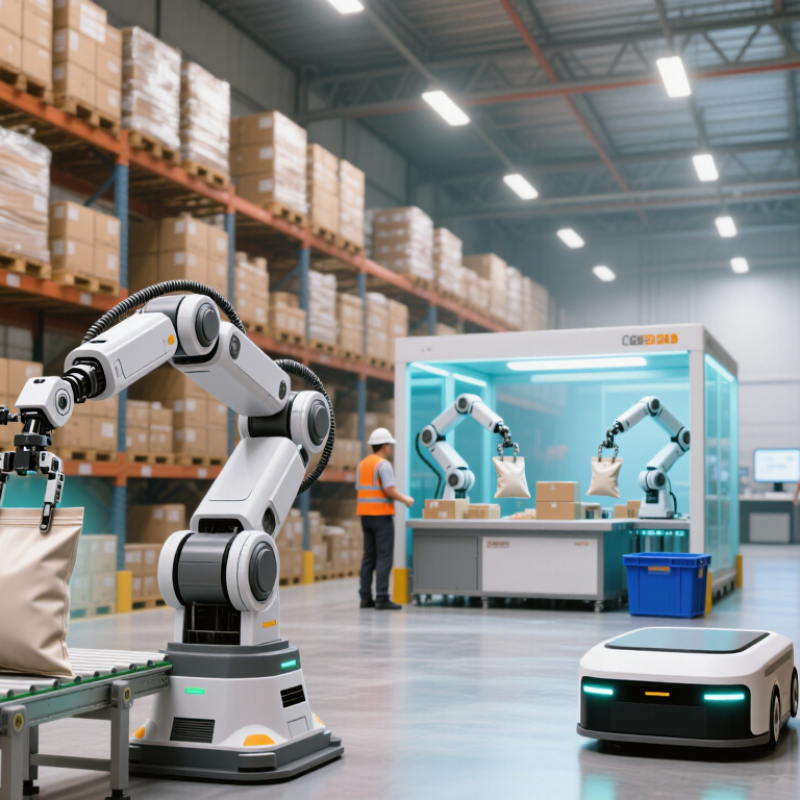
Warehouse Picking Robots: Types, Functions, and Operating Principles
Warehouse picking robots are designed to move products, identify storage locations, and support accurate order fulfillment. Autonomous mobile robots carry shelves or bins to workstations, while robotic arms grasp items from containers. Shuttle robots travel through storage racks and retrieve cartons at high speed. Each type fits a different warehouse layout and product profile.
Their operating principles combine sensors, software, and mechanical movement. Cameras, barcode readers, and weight sensors help the system recognize products and confirm quantities. Navigation software builds a digital map and selects routes around workers, racks, and temporary obstacles. At a picking station, the robot may present a bin, wait for human confirmation, and record the completed task. Robotic arms use programmed motion paths, grip control, and continuous feedback to handle varied shapes.
Performance depends on more than speed. Product data must remain accurate, and charging areas need careful planning. A robot can pause when packaging changes, lighting becomes poor, or an item is placed incorrectly. That weakness matters. During trials, buyers should measure pick accuracy, recovery time, noise, maintenance needs, and worker training demands. A practical system should also support manual intervention without disrupting the entire workflow. Small pilot zones often reveal problems that a polished demonstration hides.

Key Selection Criteria for Global Warehouse Automation Projects
Selecting a robotic picking solution starts with the warehouse, not the sales presentation. Measure SKU dimensions, order profiles, aisle widths, shelf heights, and seasonal peaks. A system handling small cartons may struggle with soft bags or irregular packaging. Test real inventory.
Throughput matters, but it should not be the only target. Ask for sustained picks per hour during peak periods, not short demonstrations. Check payload limits, gripper flexibility, barcode accuracy, and recovery after a failed pick. Small delays multiply quickly.
Integration is equally important. Confirm compatibility with warehouse management software, inventory systems, scanners, and existing conveyors. Request documented interfaces and clear data ownership. Cybersecurity controls, user permissions, and audit logs deserve practical review. They are easy to overlook.
Safety performance must match local workplace requirements. Examine sensors, emergency stops, access controls, and maintenance procedures. Global buyers should also assess regional service coverage, spare-part availability, training, and response times. A technically strong machine can become expensive when support is slow.
Total cost includes installation, software updates, energy use, floor changes, labor training, and downtime. Request a five-year cost model with conservative assumptions. Pilot testing is valuable, though pilots can hide unusual peak conditions. Include difficult products and real operators.
No solution fits every warehouse. That is the uncomfortable part. A careful evaluation should record failures, exceptions, and manual workarounds. Reliable decisions come from measured evidence, transparent limits, and references from comparable operations.
Leading Robot Picking Solutions Across Major Market Segments
Top Robot Warehouse Picking Solutions for Global Buyers
Leading robot picking solutions serve different market segments, not one universal warehouse. E-commerce operations need fast piece picking for mixed cartons and frequent returns. Grocery facilities require gentle handling, cold-room reliability, and accurate date rotation. Apparel warehouses often favor vision-guided systems for soft, irregular items. Third-party logistics providers need flexible software that can switch between clients without lengthy reconfiguration.
DHL’s 2024 Robotics Trend Report found that 73% of warehouse professionals plan to adopt robotics. The International Federation of Robotics reported 541,302 industrial robot installations worldwide in 2023. These figures show strong momentum, but they are not directly comparable. Survey intent is not proven throughput. Buyers should test picking accuracy, recovery time, worker training, and performance during peak seasons. Small details matter. A gripper that handles one box well may damage a flexible package.
Tips: Match the robot to the item profile, not the marketing headline. Measure picks per hour, error rates, integration time, and total operating cost. Request a pilot using real products, including awkward items and damaged cartons. Review safety documentation and local compliance requirements with qualified specialists. Reports from MHI and Interact Analysis also indicate growing automation investment, yet forecasts can change quickly. That uncertainty deserves attention. A cheaper system may become expensive when software updates, spare parts, or manual exception handling are overlooked.
Top Robot Warehouse Picking Solutions for Global Buyers - Leading Robot Picking Solutions Across Major Market Segments
Typical operating ranges for commercially available robotic picking configurations. Actual performance depends on item mix, gripper design, layout, software, safety requirements, and upstream automation.
| Market Segment | Recommended Robot Picking Solution | Typical Item Profile | Typical Payload | Indicative Reach | Indicative Throughput | Typical Picking Accuracy | Best-Fit Warehouse Tasks | Integration Requirements |
|---|---|---|---|---|---|---|---|---|
| E-Commerce and General Merchandise | Vision-guided piece-picking arm with adaptive vacuum or hybrid gripper | Polybags, cartons, soft goods, packaged consumer products; approximately 50 g–10 kg | 3–16 kg | 0.9–1.7 m | 600–1,200 picks per hour per cell | Typically 95%–99% after item recognition and grasp optimization | High-volume piece picking Order consolidation, tote picking, goods-to-person stations | 3D or 2D vision, warehouse-control-system interface, barcode or image identification, automatic gripper changeover |
| Grocery and Food Distribution | Robotic case picker with food-compatible end-of-arm tooling | Sealed cartons, trays, cans, bottles, and mixed cases; approximately 0.2–20 kg | 10–40 kg | 1.5–3.0 m | 400–900 cases per hour per cell | Typically 97%–99% for standardized packaging | Case picking Store-order pallet building, layer forming, mixed-case fulfillment | Product database, pallet-pattern software, slip-sheet handling, hygienic surfaces, packaging and weight validation |
| Apparel and Footwear | Soft-object picking system using machine vision, tactile feedback, and flexible grippers | Folded garments, footwear boxes, accessories, and polybagged items; approximately 30 g–5 kg | 2–12 kg | 0.8–1.6 m | 500–1,000 picks per hour per cell | Typically 93%–98%, depending on fabric, shape, and packaging condition | Flexible-item handling Put-wall replenishment, order picking, returns sorting | High-resolution vision, item identification, gentle-contact gripper, anti-static controls where required |
| Electronics and Small High-Value Goods | Precision vision-guided picking arm with compliant gripper and traceability controls | Consumer electronics, accessories, small boxed components; approximately 20 g–8 kg | 1–10 kg | 0.7–1.4 m | 400–900 picks per hour per cell | Typically 98%–99.8% with controlled presentation and identification | High-accuracy picking Serial-number capture, kitting, secure order fulfillment | Barcode or OCR verification, product serialization, ESD controls, reject handling, audit trail integration |
| Pharmaceutical and Healthcare Supply | Cleanable robotic picking cell with validated vision inspection and controlled access | Medicine cartons, medical consumables, diagnostic kits; approximately 10 g–10 kg | 1–12 kg | 0.7–1.5 m | 300–800 picks per hour per cell | Typically 99% or higher for validated product presentation | Traceable order fulfillment Batch picking, tote loading, kit assembly, exception segregation | Lot and expiry verification, electronic records, controlled cleaning, access management, validated software procedures |
| Cold Storage and Frozen Food | Low-temperature robotic picking cell with insulated enclosure and temperature-rated tooling | Frozen cartons, bags, trays, and insulated packages; approximately 0.1–15 kg | 5–30 kg | 1.0–2.5 m | 250–700 picks per hour per cell | Typically 95%–99% depending on frost, condensation, and packaging | Temperature-controlled picking Case picking, order consolidation, palletizing support | Condensation management, freezer-rated sensors, enclosure heating, food-grade surfaces, temperature monitoring |
| Industrial Components and MRO | Bin-picking robot with 3D vision, part recognition, and force-controlled gripping | Fasteners, tools, fittings, machined parts, and maintenance items; approximately 50 g–25 kg | 5–50 kg | 1.0–2.6 m | 200–700 picks per hour per cell | Typically 95%–99% after part-specific training and fixturing | Random-bin picking Line-side replenishment, kitting, component sorting | 3D depth sensing, part library, force feedback, ERP or inventory interface, safety-rated guarding |
| Bulky Goods and Home Improvement | Heavy-payload robotic picking or collaborative-assisted picking system | Flat-packed furniture, appliances, tools, building products; approximately 5–80 kg | 20–100 kg | 1.8–3.5 m | 100–400 picks per hour per cell | Typically 95%–99% with structured presentation | Large-item handling Case movement, pallet building, outbound staging | Load stability analysis, pallet-pattern planning, conveyor or mobile-platform interface, enhanced safety zoning |
| Returns, Refurbishment, and Reverse Logistics | Vision-based inspection and sorting robot with configurable gripper and exception workflow | Mixed-condition products, opened cartons, apparel, accessories, and consumer goods; approximately 20 g–20 kg | 3–25 kg | 0.8–2.0 m | 200–600 picks per hour per cell | Typically 90%–98%, depending on damage and product variability | Inspection and sorting Condition grading, resale routing, restocking, recycling separation | Image classification, condition codes, product lookup, manual exception station, inventory disposition rules |
| Omnichannel Retail Fulfillment | Flexible robotic picking station integrated with autonomous mobile transport | Mixed retail items, totes, cartons, and shelf-ready packages; approximately 50 g–15 kg | 5–25 kg | 0.8–2.2 m | 500–1,200 picks per hour per cell | Typically 95%–99% | Multi-order fulfillment Click-and-collect, store replenishment, same-day order batching | Order-management-system connection, mobile robot traffic control, tote identification, dynamic task allocation |
Buyer note: Throughput figures are indicative system-level ranges rather than guaranteed results. A site acceptance test should confirm performance using representative products, packaging, order profiles, operating temperatures, and shift conditions.
Implementation Process, Integration Needs, and Workforce Considerations
Selecting a robot picking solution starts with the warehouse, not the equipment brochure. Global buyers should map SKU dimensions, order profiles, aisle widths, temperature zones, and peak-hour volume. During site trials, measure walking distance, pick accuracy, replenishment delays, and exception frequency. Small data gaps create large installation surprises.
Integration requires clean inventory data and stable communication with the warehouse management system. Order releases, stock updates, task priorities, and fault alerts should move through tested interfaces. Barcode rules and item master records need validation before commissioning. A limited pilot is safer than a full-site launch. Keep a manual fallback during early shifts.
Workforce planning deserves equal attention. Operators need practical training near the actual picking stations, not only online instructions. Define who handles jams, damaged packaging, cycle counts, and unusual orders. Clear escalation paths reduce hesitation. Some roles may become less repetitive, but new monitoring and maintenance skills are required. Early projects often underestimate training time. That mistake is expensive.
Performance reviews should compare results against agreed acceptance criteria, including accuracy, throughput, uptime, safety observations, and recovery time. Review the figures with warehouse staff, because system reports may miss awkward reaches or confusing prompts. A solution can meet its target rate and still frustrate users. That issue should not be hidden. Revisit layouts and workflows after real peak periods, when assumptions face their hardest test.
Performance, Safety, Maintenance, and Total Cost Evaluation
Top robot warehouse picking solutions should be judged beyond advertised speed. The International Federation of Robotics reported 541,302 industrial robots installed worldwide in 2023, a 10% annual increase. That growth signals confidence, but picking performance still depends on SKU variety, bin presentation, lighting, and software integration. A system achieving 600 picks per hour in a controlled test may perform differently during peak-season congestion.
Safety requires more than emergency stops. Operators need clear pedestrian zones, guarded access points, reliable obstacle detection, and documented risk assessments. ISO 3691-4 provides useful guidance for driverless industrial trucks. Maintenance planning is equally practical. Track gripper wear, battery cycles, sensor faults, and mean time to repair. Keep critical spare parts on site. Small delays can become expensive during night shifts.
Total cost should include integration, training, facility changes, energy, software fees, maintenance, and eventual replacement. The MHI 2024 Annual Industry Report identifies robotics and automation as major investment priorities across supply chains. Yet payback calculations often assume stable demand and perfect uptime. That assumption is weak. Test representative products, measure missed picks, and compare labor savings against real service interruptions. The cheapest quotation is rarely the lowest lifetime cost.
Top Robot Warehouse Picking Solutions for Global Buyers
The benchmark uses a 0–100 index across four buyer priorities: picking performance, operational safety, maintenance simplicity, and five-year total cost of ownership. Higher scores indicate a stronger overall position; the cost score reflects lower lifecycle expense. Values represent realistic industry benchmark ranges for comparable warehouse environments rather than any specific supplier.