

What Are Aluminium Beer Cans and Why Do Buyers Choose Them?
Aluminium Beer Cans are lightweight, shaped metal containers designed to protect beer from light, oxygen, and contamination. Most are produced from aluminium alloy sheets through a drawing and wall-ironing process. The result is a strong body with a thin wall, rolled rim, and easy-opening lid.
Their appeal begins with practicality. Buyers can move more cans with less transport weight. Warehouses can stack them efficiently. Retailers also value their bright surfaces, because high-quality printing turns each can into a compact advertising space. Consumers notice the quick chilling, clean handling, and familiar opening experience. The package feels simple. Its engineering is not.
Robert Budway, president of the Can Manufacturers Institute, has described the aluminium beverage can as “the most recycled beverage package in the world.” That statement explains much of the market’s confidence in Aluminium Beer Cans. Aluminium can be recycled repeatedly when collection and processing systems work well. However, the environmental story is not flawless. Mining, smelting, coating, and transport still require energy. A can is not automatically sustainable everywhere.
This article examines what Aluminium Beer Cans are, how they are manufactured, and why breweries, distributors, retailers, and buyers choose them. It will consider protection, branding, cost, logistics, and recycling performance. Some advantages depend on local infrastructure. That detail matters. A strong package can still create a weaker outcome when recovery systems fail. Understanding that tension helps buyers make more informed, realistic decisions.
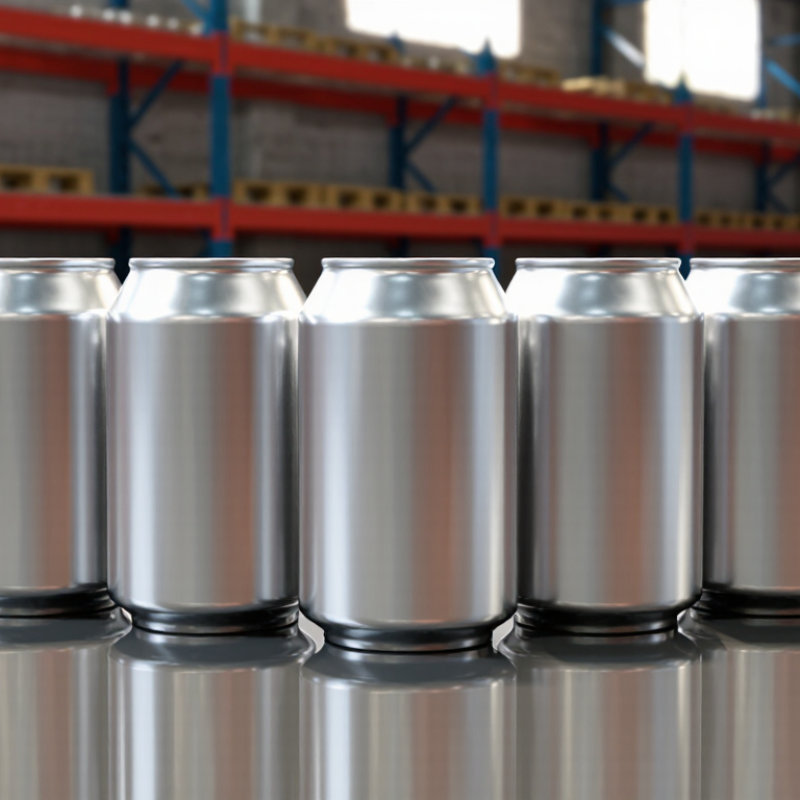
What Are Aluminium Beer Cans?
Aluminium beer cans are lightweight, rigid containers formed from thin aluminium alloy sheets. Most use a two-piece design: one body and one attached top. During production, the metal is pressed, stretched, and shaped into a seamless cup. A protective internal coating helps separate the beer from the metal. The opening is created with an easy-open end, so no separate tool is required.
They cool quickly in an ice bucket. That matters in retail displays and outdoor service. Aluminium also blocks light, which can help protect beer flavour. The International Aluminium Institute reports that recycling aluminium requires about 5% of the energy used for primary production. This gives cans a strong circular-economy advantage, although collection systems remain uneven. A recyclable package is not automatically recycled.
Buyers often choose these cans because they are light, stackable, and less likely to shatter than glass. The U.S. Environmental Protection Agency reported an aluminium beverage-can recycling rate of about 45% in its national municipal waste data. That figure deserves attention, not celebration. It shows that material value alone cannot solve disposal problems. Can specifications also vary by filling line, alloy thickness, coating performance, and transport conditions. In practice, purchasers should examine seam quality, dent resistance, pallet stability, and verified recycling data before choosing a format.
How Aluminium Beer Cans Are Made
What Are Aluminium Beer Cans and Why Do Buyers Choose Them?
How Aluminium Beer Cans Are Made
An aluminium beer can begins as a thin coil of rolled sheet, not a ready-made container. The sheet usually contains recycled aluminium mixed with primary metal for strength and consistency. According to the International Aluminium Institute, recycled aluminium needs about 95% less energy than primary production. That difference strongly influences packaging decisions.
At the can plant, presses cut circular blanks from the sheet. A drawing process forms shallow cups. Then, ironing reduces the wall thickness and stretches each cup into a tall body. The base receives a shaped dome for pressure resistance. The open end is trimmed, washed, and coated. Internal coatings help separate the beverage from the metal. External inks and varnishes protect the surface during transport. It is fast, exact work. The Can Manufacturers Institute reports that modern lines can produce more than 2,000 cans per minute.
The can is then necked and flanged for its lid. A separate end is seamed onto the filled body, creating an airtight closure. Quality teams test dimensions, coating coverage, seams, and pressure performance. Small defects can create leaks, so automation does most inspections. Human checks still matter. Machines miss context sometimes.
The recycling stage is equally important. The Aluminium Association states that a used can may return to a store shelf in roughly 60 days when collection and processing systems work efficiently. That timeline is impressive, but not guaranteed. Contamination, transport distance, and poor collection can weaken the result. Aluminium beer cans remain attractive because they are light, stackable, protective, and repeatedly recyclable. The process is efficient, though never perfect.
| Data Dimension | Typical Data or Manufacturing Detail | Why It Matters to Buyers |
|---|---|---|
| Primary Material | Aluminium alloy, commonly using 3104-type material for the can body and 5182-type material for the lid. | These alloys provide a practical balance of strength, formability, low weight, and corrosion resistance. |
| Material Density | Approximately 2.70 g/cm³. | Aluminium is substantially lighter than steel, helping reduce packaging weight and handling costs. |
| Melting Point | Approximately 660°C for pure aluminium; alloy processing temperatures vary. | The material can be remelted and formed repeatedly, supporting closed-loop recycling systems. |
| Common Nominal Capacities | 330 mL, 355 mL, and 473 mL are widely used can capacities, although available sizes vary by market. | Multiple capacities allow buyers to match serving size, pricing strategy, and distribution requirements. |
| Can Body Production | A lubricated aluminium sheet is blanked into a disc, drawn into a cup, and ironed to form a tall, thin-walled body. | The draw-and-iron process produces consistent dimensions while using relatively little material. |
| Can Bottom Formation | The base is shaped with a reinforced dome and circular geometry to improve resistance to internal pressure. | A stronger base helps the container withstand carbonation, stacking, transport, and filling operations. |
| Necking and Flanging | The upper body is gradually narrowed and flanged to create the opening area for the end. | A smaller opening reduces lid material requirements while maintaining compatibility with standard closures. |
| Internal Protective Coating | A thin food-contact lining is applied and cured inside the can to separate the beverage from the metal. | The lining helps preserve beer flavor and reduces the risk of interaction between the beverage and aluminium. |
| External Decoration | The outside may receive a protective varnish and printed graphics after the body has been formed. | A smooth printable surface supports product identification, regulatory information, and shelf presentation. |
| Lid Manufacturing | The lid is stamped from aluminium sheet, shaped with a countersink, scored opening panel, rivet, and pull tab. | The design provides a secure seal before opening and a convenient opening mechanism for consumers. |
| Seaming Process | The filled can body and lid are joined using a double seam, which mechanically folds and compresses the two components together. | A properly formed double seam provides an airtight and liquid-tight closure during storage and transport. |
| Pressure Resistance | The finished can is engineered to contain the internal pressure generated by carbonated beverages; exact limits depend on design and testing standards. | Adequate pressure performance is essential for safe filling, warehousing, and distribution. |
| Barrier Performance | Aluminium provides an effective barrier against light, oxygen, and moisture when the can and internal lining are intact. | Protection from light and oxygen helps maintain beer quality, aroma, and shelf stability. |
| Typical Packaging Advantages | Lightweight, stackable, shatter-resistant, and suitable for high-speed filling lines. | These characteristics can improve logistics efficiency and reduce breakage compared with glass packaging. |
| Recyclability | Aluminium can be recycled repeatedly without losing its basic material properties, provided it is collected and processed. | Recyclability supports material recovery and can reduce demand for newly produced aluminium. |
| Recycling Energy Benefit | Producing recycled aluminium generally requires about 90% to 95% less energy than producing primary aluminium from ore. | Using recycled content can lower the energy intensity associated with aluminium production. |
| Recycled Content | The proportion of recycled aluminium varies by supplier, region, collection rate, and production requirements. | Buyers should request a verified recycled-content percentage when sustainability reporting is important. |
| Quality Control Points | Common checks include body dimensions, coating coverage, seam integrity, leakage, pressure performance, and visual defects. | Consistent inspection helps prevent filling-line interruptions, leakage, contamination, and packaging waste. |
| Key Buyer Selection Factors | Capacity, alloy and specification, closure format, decoration method, minimum order quantity, delivery schedule, and compliance documentation. | Evaluating these factors helps buyers select cans that fit their beverage formula, filling equipment, market requirements, and sustainability goals. |
| Note: Exact dimensions, wall thickness, coatings, recycled content, and performance limits vary according to can size, supplier specifications, filling conditions, and applicable regulations. | ||
Key Features of Aluminium Beer Cans
Aluminium beer cans are lightweight containers formed from thin, shaped aluminium sheet. Their low weight reduces handling effort during storage and transport. The material also blocks light, which helps protect beer from light-related flavor changes. It creates a strong barrier against oxygen when the can is properly sealed. That detail matters more than appearance.
The key features begin with the body, lid, and double seam. A precise seam helps prevent leakage and protects the drink from outside air. An internal coating separates the beer from the metal and supports product stability. Cans also cool quickly in an ice bucket, making them practical for outdoor service and busy events. Their stackable shape saves shelf and warehouse space. The pull tab allows opening without a separate tool.
Recycling is another important feature. Aluminium can be processed repeatedly, although collection systems and contamination affect real-world results. Not every can performs perfectly. Dents can weaken the seam area, and poor storage may damage the coating or lid. Buyers should check wall strength, seam quality, coating consistency, filling requirements, and closure compatibility. These small checks often reveal more than a polished product description. Steady quality matters.
Why Buyers Choose Aluminium Beer Cans
Aluminium beer cans are lightweight containers formed from thin aluminium sheets, then sealed with fitted ends. Buyers choose them because they protect beer from light, which can affect flavor and freshness. Their compact shape also uses warehouse and truck space efficiently. A full case is easier to carry than many glass alternatives. This matters to retailers, event operators, and customers buying for outdoor occasions.
Cans also chill quickly in an ice bucket. They are less likely to break during transport or handling. Many recycling systems accept used aluminium, and the material can be recycled repeatedly when collection works properly. Still, recycling rates vary by location. That detail is often overlooked. Buyers should check local recovery facilities instead of trusting broad environmental claims. From a production view, cans support fast filling lines and consistent labeling, but dents and sealing errors can create waste if quality checks are weak.
Tips: Compare can thickness, closure quality, interior coating, and delivery protection. Ask for filling-line samples before placing a large order. Check how cans perform after refrigeration, stacking, and transport. A bright finish may look attractive, but clear printing and readable product information matter more at a crowded shelf. Buyers should also review supplier testing records, because a low purchase price can become expensive after damaged stock, leaks, or slow handling.
What Are Aluminium Beer Cans and Why Do Buyers Choose Them?
Aluminium beer cans are lightweight, stackable containers that provide a complete barrier against light. The chart compares representative empty-package weights for a 330 mL beer format; actual weights vary by design and manufacturer.
Why buyers choose aluminium cans: lower packaging weight can improve handling and transport efficiency, while the opaque metal protects beer from light exposure. Aluminium can also be recycled repeatedly when collected through suitable recycling systems.
Common Uses and Buying Considerations
Aluminium beer cans are lightweight, stackable containers made from rolled aluminium sheet. Their common uses extend beyond beer. Producers also select them for sparkling water, soft drinks, mocktails, and other carbonated beverages. The metal blocks light and offers strong protection during transport. It also cools quickly in a refrigerator. Small detail, but buyers notice it.
Purchasing decisions should begin with product compatibility, not appearance. Teams should check can diameter, volume, wall thickness, end design, internal coating, and seam performance. These details affect filling speed, leakage risk, shelf life, and freight costs. A cheaper can may create hidden waste. Minimum order quantity matters too, especially for seasonal products or regional demand. Storage conditions deserve attention. Dented cans can disrupt filling lines and weaken customer confidence.
Recycling is another important buying consideration. The International Aluminium Institute reports that recycled aluminium requires about 95% less energy than primary aluminium production. However, the sustainability story is not automatically complete. The Can Manufacturers Institute reported a 43% U.S. aluminium beverage can recycling rate for 2023. Collection systems still vary widely. Buyers should ask about recycled content, local recovery access, documentation, and actual recycling performance. Marketing claims need evidence. No option is perfect. A responsible specification balances barrier protection, production efficiency, transport weight, consumer handling, and end-of-life recovery.