
China Top 10 Produce Processing Equipment Suppliers
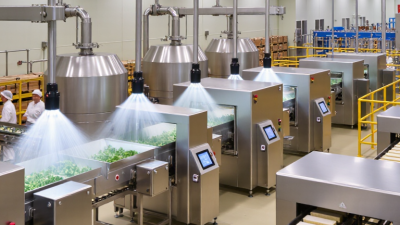
China’s food-processing sector is moving from basic machinery toward connected, hygienic, and energy-efficient production lines. This shift makes Produce Processing Equipment important for manufacturers handling fruits, vegetables, grains, and prepared foods. The right supplier can influence yield, sanitation, labor costs, and product consistency.
The need is measurable. The Food and Agriculture Organization reported that 13.2% of food was lost globally between harvest and retail in 2021. Reliable washing, grading, cutting, drying, and cold-chain systems can reduce avoidable losses. FAO’s food-loss research also shows that weak storage and handling remain serious challenges in developing supply chains. Meanwhile, PMMI’s industry reports identify automation, traceability, and flexible production as major equipment priorities. These trends are visible on factory floors: stainless-steel conveyors, adjustable cutters, optical sorters, and digital control panels are becoming more common.
This guide examines China’s top 10 Produce Processing Equipment suppliers through practical criteria. These include manufacturing experience, processing capacity, certification, customization, after-sales service, spare-parts access, and export performance. Technical details matter. A supplier may offer a high-speed line, yet poor cleaning access can create downtime and hygiene concerns. Another may provide a lower initial price, but expensive maintenance can change the real purchasing cost.
No ranking is absolute. Buyer needs differ. A small dried-fruit processor may need modular equipment, while a large vegetable plant may require a complete automated line. Company websites and public industry sources can also present limited information. Therefore, this overview should support further factory audits, sample testing, and contract review before any final decision.
China’s 2023 Grain Output Reached 695.41 Million Tonnes: Equipment Demand
China Top 10 Produce Processing Equipment Suppliers
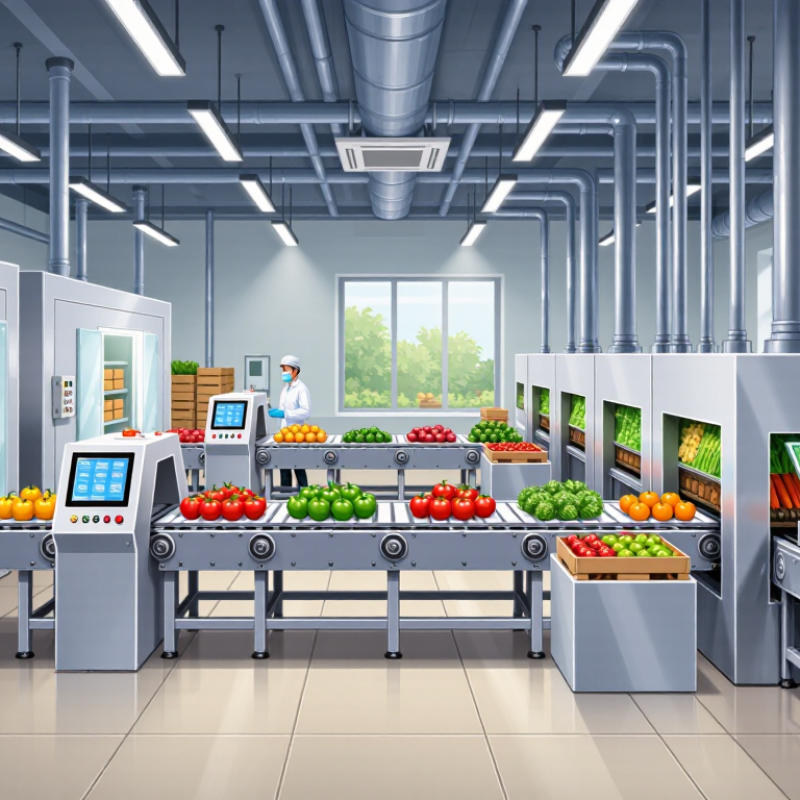
China’s grain output reached 695.41 million tonnes in 2023, according to the National Bureau of Statistics’ 2023 Statistical Communiqué. This record volume increases demand for reliable cleaning, drying, milling, storage, and packaging systems. Equipment suppliers must now support higher throughput without sacrificing moisture control or food safety.
The pressure is visible on the factory floor. A modern grain line may handle dusty raw material, uneven moisture, and seasonal surges within the same week. FAO’s Food Outlook 2024 highlights continuing concerns around global cereal supply, logistics, and market volatility. These conditions make energy efficiency and flexible automation more valuable for Chinese processors. Small gains matter.
Supplier evaluation should include proven processing capacity, maintenance response, spare-parts access, and documented test results. Technical data should cover hourly output, drying temperature, power consumption, dust control, and finished-product loss. The national production figure is not a direct equipment forecast. Regional crop differences can change actual demand considerably. That limitation deserves more attention. In practice, a lower-capacity processor may need modular machinery rather than a larger line. Procurement decisions should follow real grain characteristics, factory space, labor skills, and long-term operating costs.
How China’s Top 10 Suppliers Are Ranked Using Six Industry Metrics
China’s top produce processing equipment suppliers are ranked through six practical industry metrics, not publicity alone. These metrics are processing capacity, product consistency, energy efficiency, automation depth, compliance readiness, and service response. During factory evaluations, buyers should inspect test lines, calibration records, maintenance logs, and recent delivery data. A machine that handles 12 tons daily may perform differently with wet roots, uneven fruit, or seasonal surges. Real conditions matter. Capacity must be verified under comparable workloads, while quality should be measured through yield, cutting accuracy, and rejection rates. Energy ratings also need operating data, because advertised consumption can omit cleaning cycles or standby losses.
Automation deserves a separate score. Controls, sensors, traceability, and adjustment time reveal whether technology improves labor efficiency or merely adds complexity. Compliance readiness covers electrical safety, food-contact materials, sanitation design, documentation, and export inspection support.
Service response is judged by spare-parts availability, technician access, training, and the clarity of warranty procedures. Customer reliability is harder to quantify. Reviewers should compare verified references, repeat orders, complaint handling, and installation performance across regions. A weighted score can produce a top-ten list, but the weighting should match each buyer’s crop and factory scale. That is where rankings become imperfect. Small processors may value service more than maximum capacity, a distinction generic tables often miss.
Top 10 Supplier Profiles: Fruit, Vegetable, Grain, and Meat Processing Lines
China Top 10 Produce Processing Equipment Suppliers
The ten supplier profiles cover fruit, vegetable, grain, and meat processing lines. Their equipment includes washing, sorting, drying, milling, cutting, filling, chilling, and packaging systems. The selection focuses on engineering experience, food-grade materials, automation, maintenance support, and production flexibility.
FAO’s The State of Food and Agriculture 2019 estimated that 14% of food is lost between harvest and retail. Efficient processing can reduce damage, especially for soft fruit, leafy vegetables, and fresh meat. Fruit and vegetable lines should provide gentle conveying and accurate optical sorting. Grain lines need stable cleaning, moisture control, and dust management. Meat systems require controlled temperatures, hygienic design, and traceable batch records. Validation matters.
The OECD-FAO Agricultural Outlook 2023–2032 projects continued growth in global food demand, increasing pressure on processing capacity. The ten profiles therefore emphasize practical throughput rather than impressive brochures. A supplier may offer advanced controls, yet weak spare-parts support can stop a line for days. That risk is often overlooked. FAO’s Food Loss Index also shows that losses remain significant before retail, making dependable storage and processing equipment commercially important. This shortlist is useful, but not final. Factory trials, sanitation tests, energy data, and operator feedback should still influence the purchasing decision.
Compliance Benchmark: HACCP, ISO 22000, CE, and Energy per Tonne
China Top 10 Produce Processing Equipment Suppliers
When comparing China’s top produce processing equipment suppliers, compliance should lead the assessment. HACCP evidence must connect with real production risks, not only appear in a brochure. Inspectors should review washing water controls, allergen separation, metal detection, and sanitation records. Small details matter. A cleanable conveyor frame can prevent hidden residue and repeated downtime.
ISO 22000 shows whether a supplier manages food safety through a structured system. Ask for the current certificate, scope, issuing body, and audit status. For CE-marked equipment, verify the Declaration of Conformity, risk assessment, electrical drawings, and operating instructions. CE marking alone proves little without supporting documents. This distinction is often missed.
Energy per tonne deserves equal attention. Request measured consumption under defined conditions, such as product type, moisture, capacity, and operating hours. Compare kilowatt-hours per tonne rather than motor power alone. A larger motor may start faster but waste energy during low-load production. Factory trials can reveal this. However, one test does not represent every season. Raw material size changes. Cleaning cycles also add hidden consumption.
A practical supplier scorecard can combine food safety, documentation, machine performance, service response, and energy data. Keep the scoring transparent. No scorecard is perfect. Some evidence may remain incomplete, and that should reduce confidence rather than be ignored. On-site verification remains essential before purchase.
2025 Outlook: Smart Processing, Traceability, and Capacity Investment Trends
China Top 10 Produce Processing Equipment Suppliers
2025 Outlook: Smart Processing, Traceability, and Capacity Investment Trends
China’s leading produce processing equipment suppliers are shifting from basic machinery toward connected production systems. This change reflects rising efficiency pressure. The FAO reports that about 13.2% of food is lost between harvest and retail globally. Better washing, grading, cooling, and packing equipment can reduce handling losses. However, automation alone cannot fix weak factory discipline.
Deloitte’s 2024 Smart Manufacturing and Operations Survey found that 86% of manufacturing leaders expect smart manufacturing to improve competitiveness within five years. In produce plants, this means sensors tracking temperature, water use, belt speed, and rejection rates. Traceability is also becoming operational, not promotional. GS1 standards support common product and batch data across supply chains. Suppliers should provide clean data exports, audit trails, and equipment that connects with existing systems. A shiny dashboard is not enough.
Tips: Ask suppliers to demonstrate one complete batch record. Test barcode or QR scanning during washing, cutting, and packing. Check whether operators can repair common faults without waiting for overseas support. Capacity investment should remain practical. Smaller processors may need modular lines, not oversized systems. The China Association of Refrigeration and other industry reports show continued cold-chain investment, yet regional maintenance skills remain uneven. That gap deserves more attention. A cheaper machine may create higher downtime later. Temperature accuracy should be tested under real production loads, not only in a showroom.
| Rank | Anonymous Supplier Profile | Core Equipment Coverage | Typical Processing Capacity | Automation and Control | Traceability Readiness | 2025 Capacity Investment Priority | Typical Buyer Segment |
|---|---|---|---|---|---|---|---|
| 1 | Integrated Fruit and Vegetable Line Supplier | Washing Sorting Peeling Cutting Blanching | 5–30 tonnes per hour, depending on crop and product format | High PLC control, variable-speed drives, recipe management, and automated CIP integration |
Advanced Batch records, lot coding, barcode or QR capture, and production-data export |
High-speed sorting, water and energy reduction, modular line expansion, and cold-chain compatibility | Large processors, frozen-food plants, canneries, and export-oriented agricultural groups |
| 2 | Grain, Flour, and Cereal Processing Specialist | Cleaning Milling Grinding Sifting Blending | 2–20 tonnes per hour for milling and blending applications | High Central SCADA, weighing control, recipe locking, and automated conveying |
Advanced Raw-material lot control, silo identification, moisture records, and finished-product release data |
Dust control, low-loss conveying, high-efficiency motors, and automated quality monitoring | Flour mills, cereal manufacturers, ingredient suppliers, and industrial bakeries |
| 3 | Beverage and Juice Processing Line Supplier | Extraction Filtration Homogenization Pasteurization Filling | 3,000–36,000 bottles or cartons per hour; process skids commonly sized at 2–20 tonnes per hour | High Recipe-based control, temperature monitoring, flow measurement, and automated cleaning sequences |
Advanced Ingredient, batch, filler, packaging, and warehouse data linked through production software |
Aseptic and hygienic filling, heat-recovery systems, lightweight packaging, and line-speed upgrades | Juice producers, tea and functional beverage plants, dairy-beverage manufacturers, and co-packers |
| 4 | Meat and Poultry Processing Equipment Supplier | Deboning Cutting Mincing Marinating Packaging | 1–12 tonnes per hour, depending on carcass, cut, and packaging configuration | High Servo-driven portioning, conveyor synchronization, weighing, and machine-vision inspection options |
Advanced Animal or raw-material identification, temperature logs, operator records, and package-code verification |
Yield improvement, labor substitution, hygienic design, automated portion control, and modified-atmosphere packaging | Slaughterhouses, prepared-food factories, central kitchens, and chilled-meat processors |
| 5 | Dairy Processing and Filling System Supplier | Milk Reception Separation Fermentation Pasteurization Filling | 5,000–100,000 litres per day for small and medium industrial installations | High Temperature, flow, pressure, and fermentation control with automated CIP programs |
Advanced Milk-source records, tank history, culture-batch records, and finished-pack traceability |
Energy-efficient refrigeration, membrane filtration, hygienic valves, and flexible multi-product skids | Dairy plants, yogurt manufacturers, cheese producers, beverage-dairy factories, and institutional suppliers |
| 6 | Snack, Bakery, and Extrusion Equipment Supplier | Mixing Extrusion Baking Frying Seasoning | 100–2,000 kilograms per hour, depending on product type and recipe | Medium to High Digital temperature control, recipe storage, automated dosing, and line monitoring |
Developing to Advanced Batch numbers, ingredient weighing, allergen controls, and packaging-code linkage |
Flexible changeovers, oil-use reduction, heat recovery, automated seasoning, and labor-saving packaging | Snack brands, bakeries, cereal-bar producers, contract manufacturers, and private-label factories |
| 7 | Aquatic Products and Seafood Processing Supplier | Grading Filleting Freezing Glazing Packing | 1–15 tonnes per hour; freezing capacity varies by product temperature and residence time | High Automated grading, weight sorting, conveyor controls, and freezer monitoring |
Advanced Catch or farm-source information, cold-chain temperature records, lot coding, and export documentation |
Rapid freezing, cold-chain resilience, water-efficiency improvements, and automated inspection | Seafood processors, aquaculture groups, cold-storage operators, and export packing facilities |
| 8 | Drying, Dehydration, and Powder Processing Supplier | Hot-Air Drying Vacuum Drying Spray Drying Grinding Powder Packing | 100–5,000 kilograms per hour of feed material, depending on moisture content | Medium to High Moisture, temperature, airflow, and residence-time control with data logging |
Developing to Advanced Raw-material lot tracking, drying curves, moisture results, and packaging records |
Lower thermal energy use, heat-pump drying, improved moisture uniformity, and dust-safe powder handling | Fruit and vegetable processors, herb and spice companies, ingredient manufacturers, and nutraceutical plants |
| 9 | Edible Oil and Seed Processing Supplier | Seed Cleaning Crushing Pressing Extraction Refining | 10–500 tonnes per day for complete seed-to-oil installations | High Automated temperature, pressure, flow, tank-level, and refining-stage control |
Advanced Seed-origin records, tank traceability, refining parameters, laboratory results, and packaging data |
Solvent and energy reduction, improved oil yield, automated tank management, and by-product recovery | Oilseed processors, edible-oil refineries, specialty-oil producers, and agricultural cooperatives |
| 10 | Turnkey Food Factory and Packaging Integration Supplier | Process Design Material Handling Inspection End-of-Line Packing Utilities | Project-specific; commonly integrates multiple lines from 1 to 30 tonnes per hour | High MES-ready architecture, line-wide PLC/SCADA integration, OEE monitoring, and remote diagnostics |
Advanced Plant-wide genealogy, barcode or QR identification, electronic batch records, and data interfaces |
Factory expansion, smart warehousing, robotic palletizing, predictive maintenance, and digital quality management | New food factories, multi-product manufacturers, regional processing parks, and export-focused projects |
Related Posts
-
What Is the Food Processing Equipment Industry?
-

How to Leverage Best Food Processing Equipment for Future Technology Trends in 2025
-
Emerging Technologies Shaping the Future of Best Industrial Food Equipment by 2025
-
10 Essential Tips for Choosing Industrial Food Equipment?
-
5 Tips for Choosing the Best Food Processing Industry Equipment to Boost Your Efficiency
-
Best Commercial Food Processing Equipment from China?