Why Choose Home Meat Processing Equipment?

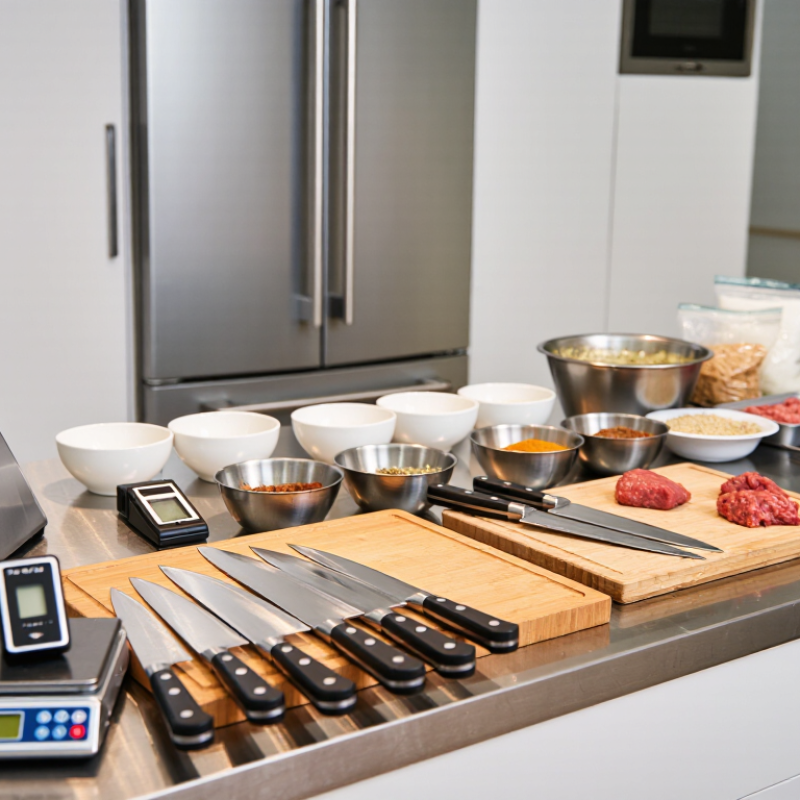
Choosing Home Meat Processing Equipment can give households greater control over how meat is prepared, portioned, and stored. A grinder, sharp knives, a digital scale, and a reliable thermometer can support practical tasks, from making burger patties to filling sausages. On a cool kitchen counter, a small batch can be weighed, seasoned, and divided into freezer-ready portions. The appeal is tangible: choose the cuts, adjust the texture, and reduce reliance on prepackaged options.

Food safety still deserves equal attention. Dr. Ben Chapman, a food-safety specialist at North Carolina State University, has warned, “You can’t see, smell, or taste the bacteria that cause foodborne illness.” That reminder matters when handling raw meat at home. Keep equipment clean, work in small batches, monitor temperature, and chill finished portions promptly. A thermometer is not decorative. It helps verify what appearance alone cannot.

The right setup depends on household needs, storage space, and how often equipment will be used. Stainless-steel surfaces and removable grinder parts can make cleanup easier, but they do not replace careful washing and sanitation. The learning curve is real. A first batch may be uneven, or a grinder may feel too small for the job. That is worth considering before buying. Home Meat Processing Equipment can offer flexibility and useful control, but good results come from pairing suitable tools with patient, safe handling.
Why Choose Home Meat Processing Equipment?

Understanding Home Meat Processing Equipment

Why Choose Home Meat Processing Equipment?

Understanding Home Meat Processing Equipment

Home meat processing equipment ranges from simple knives and cutting boards to grinders, stuffers, and vacuum sealers. Each tool handles a different task. A grinder turns trimmed meat into mince, while a stuffer fills casings more evenly than hand shaping. Choose equipment based on how often you process meat, the amount you handle, and the space available. A large machine can be useful, but it also needs storage and careful cleaning.

Materials and design matter. Stainless steel parts resist corrosion, and removable components are easier to wash and inspect. Check that equipment stays stable on the counter and that moving parts fit securely. A thermometer is useful for checking food temperatures; appearance alone is not a reliable guide. Follow the equipment instructions and clean surfaces and tools promptly. I’ve found that setup can take longer than expected, especially when several parts need drying. That’s worth planning for.

Reasons for Processing Meat at Home

Processing meat at home gives cooks more control over portion size, fat trim, seasoning, and cut thickness. A roast can become stew cubes, thin slices, and a small soup bone instead of one oversized package. That flexibility can help households use what they buy. USDA estimates that 30–40% of the U.S. food supply is lost or wasted; careful portioning and freezing may help prevent some household waste, though they cannot solve the problem alone. There is a learning curve. Uneven cuts happen.

Tips: Keep meat cold while working, use clean tools, and package portions promptly. USDA Food Safety and Inspection Service guidance recommends keeping refrigerators at 40°F (4°C) or below. Label each package with the cut and date; freezer bags can look alike after a few weeks.

Home processing also lets people prepare familiar recipes and adjust portions for different meals. For example, a family might grind part of a boneless cut for burgers and freeze the rest as meal-sized steaks. The USDA’s food-safety guidance is a useful reference for safe handling and storage; equipment itself does not make meat safer. Clean surfaces between tasks, and avoid processing more than you can chill and package promptly. Convenience matters, but so does patience.

Why Choose Home Meat Processing Equipment? - Reasons for Processing Meat at Home

Home-Processing Task Common Equipment Practical Reason Useful Fact or Safety Consideration
Grinding meat Meat grinder Grind selected cuts at home and choose the texture and fat level for recipes such as burgers or meatballs. Keep meat and grinder parts cold before grinding, and refrigerate ground meat promptly.
Making sausages Meat grinder and sausage stuffer Choose the ingredients, seasonings, casing type, and batch size instead of relying on a pre-made product. Keep raw sausage refrigerated and prevent raw meat and its juices from contacting ready-to-eat foods.
Preparing portions Boning knife, cutting board, and portion scale Cut larger purchases into recipe-sized portions, which can make meal planning and freezer storage more convenient. Use a clean, food-safe work surface and separate raw meat from other foods during preparation.
Storing portions for later Vacuum sealer or freezer-safe packaging Package portions for organized storage and help limit exposure to air in the freezer. Vacuum packaging does not make meat shelf-stable; keep it refrigerated or frozen as appropriate.
Slicing meat Meat slicer or sharp carving knife Slice cooked or cured products to a preferred thickness for sandwiches and meals. Clean and sanitize food-contact parts according to the equipment instructions, especially between different foods.
Cooking processed meat safely Food thermometer Check the internal temperature rather than relying on color or appearance alone. USDA guidance: cook ground meats to 160°F (71°C), poultry to 165°F (74°C), and whole cuts of beef, pork, lamb, or veal to 145°F (63°C) followed by a 3-minute rest.
Equipment can support portion control, recipe flexibility, and convenient storage; safe handling and cooking remain essential.

Control Over Ingredients, Quality, and Cuts

Home meat processing equipment gives household cooks more control over ingredients, quality, and cuts. Choose the meat, trim visible fat, and season only as you prefer. A grinder can turn chuck into burgers with a texture suited to your recipe. A slicer can make roast meat thin for sandwiches, while a sausage stuffer helps portion mixtures evenly. The equipment offers options, not guarantees. Careful handling still matters.

You can adjust cuts for specific meals and make portions that fit your household. Working in small batches can also help keep the process manageable. There is a learning curve: an early grind may come out uneven, or a slice may be thicker than planned. That is useful feedback, though it can be frustrating. Changing the cut size or slowing down may improve consistency.

Tips: Chill meat and grinder parts before grinding. Work promptly, clean and sanitize food-contact surfaces, and refrigerate finished portions without delay. Label packages with the cut and date. Small details matter.

Practical Benefits for Cost and Food Storage

Home meat processing equipment can make portioning more predictable, especially when a household buys larger cuts or processes a seasonal harvest. A grinder, sharp knives, and a vacuum sealer cover many everyday tasks without requiring a full workshop. Costs vary. The equipment has an upfront price, and bags, blades, and cleaning supplies add ongoing expenses.

Over time, savings depend on local prices, how often equipment is used, and how much trim would otherwise go unused. You can grind suitable trimmings into burger portions, then pack meal-sized amounts instead of thawing one large block. Less waste. Still, cheaper meals are not guaranteed; compare the cost per usable pound, including packaging and your time.

Storage is often the bigger practical benefit. Flat, labeled packages stack neatly in a freezer and thaw more evenly than bulky, loosely wrapped bundles. Mark the cut and packing date, remove excess air, and keep the freezer at 0°F (−18°C) or below. Chill meat promptly, sanitize work surfaces, and use a food thermometer when cooking; sealing cannot correct poor handling. I still find that labeling gets skipped on busy days, so keeping a marker beside the sealer is a simple fix.

Choosing Equipment for Household Needs

For a household, the right meat processing equipment depends on how much you prepare and where you will use it. A small grinder may suit occasional batches, while a larger unit can save time when processing several cuts. Check the counter space, storage room, and cleanup effort before buying. A machine that stays boxed in a closet is rarely a good fit.

Think about the tasks you actually do. Grinding, stuffing, and slicing call for different attachments, and more accessories can mean more parts to wash. Look for smooth, food-contact surfaces and components that come apart easily. Read the care instructions, since not every part is safe for a dishwasher. Keep raw meat cold, clean tools and work surfaces promptly, and follow reliable food-safety guidance. Small details matter.

Noise and weight can be easy to overlook. A heavy machine may feel stable during use, but awkward to lift from a low shelf. Measure your workspace, and consider whether you can clean the equipment without rushing. It is tempting to buy for every possible recipe; most households do not need that much. Start with the jobs you repeat, then add tools if your routine truly calls for them.

Why Choose Home Meat Processing Equipment?

Choosing Equipment for Household Needs

Illustrative household planning scores (1–10), not survey results. Ease of cleaning and suitable batch capacity are rated highly because they affect regular home use; storage needs and budget also help guide the choice.

Shopping Cart
Scroll to Top

Search for...

The Duravant family of operating companies serve the food processing, packaging and material handling segments.